How to Start Food Content: From Photos to Video in 2026
 Ali Tanis7 min read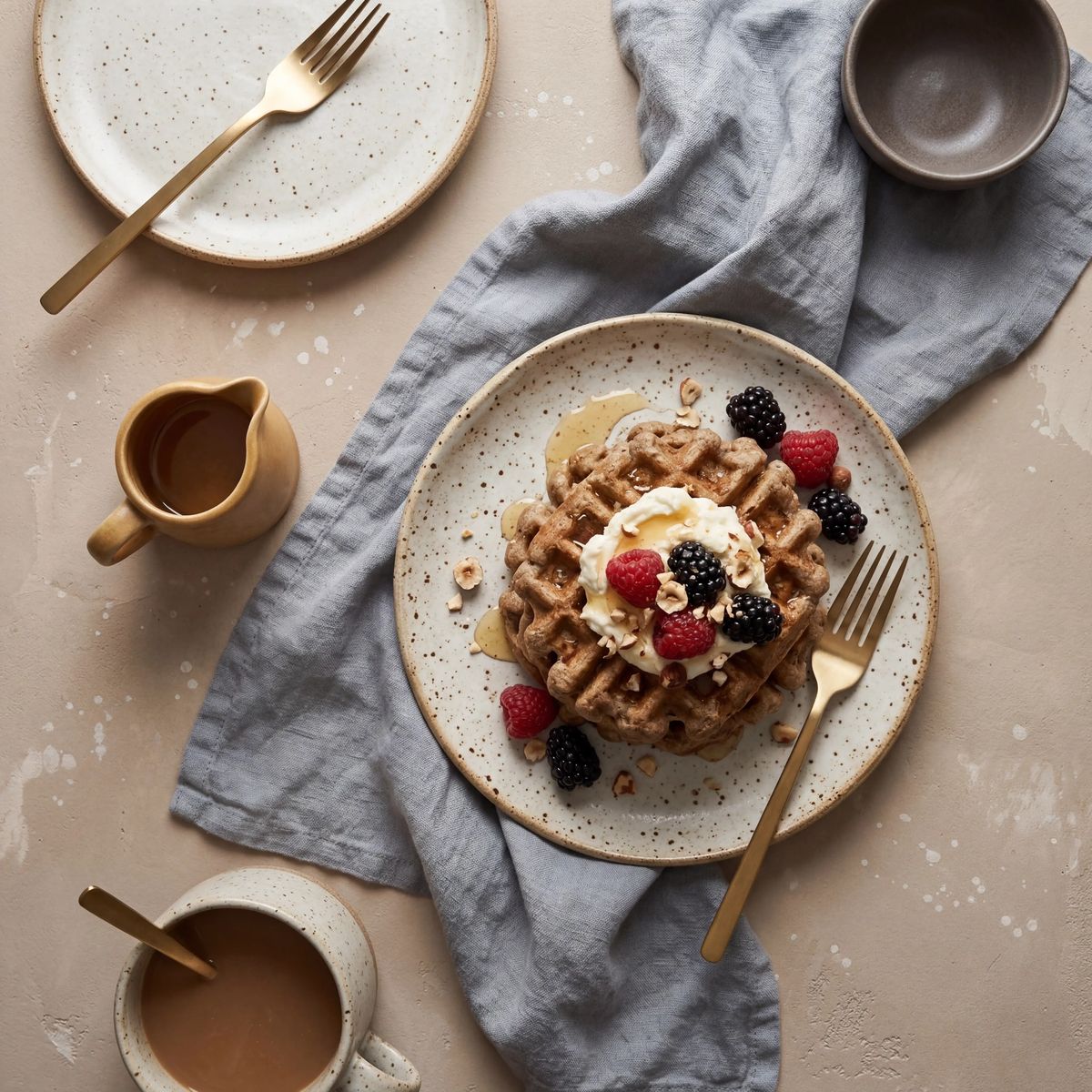
The recipes are the easy part. Anyone who cooks well enough to want an audience already has that piece sorted. What trips people up is everything after the plate hits the table: the photo comes out grey, the clip runs long, and by week three the whole project feels like a second job nobody signed up for.
Getting the pictures right changes all of that. A strong image does most of the heavy lifting on a blog, on Pinterest, and in search, and the skills behind it carry straight over into video later. So that is where the work begins.
Why the Still Image Does the Heavy Lifting
A good photo has a long shelf life. One solid shot of a roast chicken can sit at the top of a recipe post pulling search traffic for years. A video rarely does that job as well, and it takes far longer to make. Stills are also the cheapest place to learn light, angle, and styling, because you get unlimited retakes and nothing melts while you fuss.
A phone is enough. Plenty of people starting a food blog on nothing but a handset out-earn the ones who dropped two grand on a camera body and never learned to use it. Anyone can become a food blogger without buying gear first. The camera is almost never the problem. Technique is.
Three Fixes That Rescue Most Food Photos
Start by moving the dish next to a window. Turn it so the light rakes across the food from the side, not from over the shoulder. That side light gives a stack of pancakes its ridges and a bowl of soup its steam. Overhead kitchen bulbs and the phone flash do the opposite. They flatten everything and paint warm food a strange shade of yellow. Light too harsh? Tape a sheet of baking paper over the glass. Costs nothing, works beautifully.
Angle comes next, and it changes per dish. Flat things want the overhead shot: pizza, a grain bowl, a spread of small plates. Tall things want the camera down at their level or somewhere near 45 degrees, so a burger reads as a burger and not a beige circle. When it is a toss-up, shoot both and pick later.
Then styling, where the advice is boring on purpose. Do less. A couple of props beat a cluttered table every time. Scatter three basil leaves, not four; odd numbers just look better to the eye, and nobody knows exactly why. Leave some empty space around the plate. Wipe the drip off the rim before the shot, not after it shows up in the photo. Tiny things. They are also the whole difference between a snapshot and a picture someone saves.
One scheduling trick worth stealing from people who shoot a lot: photograph cold and room-temperature food first. Salads, desserts, a cheese board. They sit patiently. Hot food gives maybe ninety seconds before the steam dies and the sauce skins over, so it goes last, and it goes fast.
Editing Without Losing an Afternoon
Fix the white balance so the colors are true, nudge the brightness, add a touch of contrast, stop. Snapseed handles all of that free. Lightroom offers more once the free apps start feeling tight.
The catch is time. Editing one photo properly by hand runs fifteen to thirty minutes, and that adds up brutally at a recipe a week with five or six images each. This is the spot where AI food photography earned its place. A tool such as FoodShot takes the real snap off a phone, sorts out the lighting, background, and framing in about two minutes, then hands it back sized for wherever it is going. It works from the dish that was actually cooked rather than inventing a fake one, so what people see is what got served. For a food content creator staring down forty photos before a launch, that is the gap between a lost weekend and about eighty minutes.
How to Start a Food Blog Once the Photos Are Ready
A handful of images worth being proud of is the raw material for a blog. Creating a food blog around pictures that already exist beats launching one and then scrambling for photos every single post.
Pick a narrow lane. "Food" is not a niche; it is an ocean, and it is easy to drown in. Go tighter. Weeknight dinners under thirty minutes. Sourdough for people who work full time. One regional cuisine known cold. A narrow focus ranks faster because it fights fewer sites, and it pulls a clearer crowd. Quick test: type the idea into Google and read what autocomplete suggests. That dropdown is real people searching real words. Chase those words.
Build somewhere with room to grow. Most established food bloggers land on self-hosted WordPress, and the reason is dull but real: recipe plugins add the behind-the-scenes code that lands posts in Google's results with star ratings and cook times attached. Sort out money from day one too. Affiliate links on the pans and gadgets already in use cost nothing to add and pay at any traffic level. Later, once there is an audience, brand deals turn food blogging into an influencer income stream alongside the recipes.
Moving Into Video, One Clip at a Time
Video is where new creators seize up, so the first attempts should be small enough that they are not scary. No cooking show or videography background required. The clips that travel furthest on Instagram and TikTok are usually seconds long. Sauce hitting a hot pan. A knife going through a soft crust. Cheese pulling apart. Each one takes minutes to shoot.
The same window light from the photo work applies here. Prop the phone on a cheap tripod, or lean it on a stack of cookbooks; steady is all that matters. Film a few seconds longer than seems necessary at every step, because a long clip trims down easily and a missed moment never comes back. Shoot vertical from the start. That is how the video gets watched.
At the editing stage, the expensive professional suites can wait. Beginner tools have caught up fast. Movavi Video Editor is a fair example: the interface is plain enough to learn in an afternoon, but it still does the jobs a food creator needs, like trimming, generating captions, syncing cuts to a music track, and exporting straight to the shape each platform wants. The point is choosing software that gets out of the way while the learning happens.
Give each video a simple spine. Hook in the first second, the steps in the middle, the finished dish at the end. Add captions, since most people watch on mute. And keep it short. A tight twenty-second clip is almost always better than a rambling two-minute one.
Staying in the Game
Most people do not quit food content because they run out of talent. They quit because they run out of ideas and never build a system to fix that. So build one.
Keep a short list of formats that repeat without much thought: the weekly recipe, a five-ingredient challenge, a before-and-after of a dish finally nailed, a straight answer to whatever question keeps landing in the comments. Some of the best tips come out of those reader questions, not out of planning. When something works, do it again. Repetition is how an audience learns what a creator is for.