10 Best Restaurant Social Media Campaigns to Inspire You
 Ali Tanis21 min read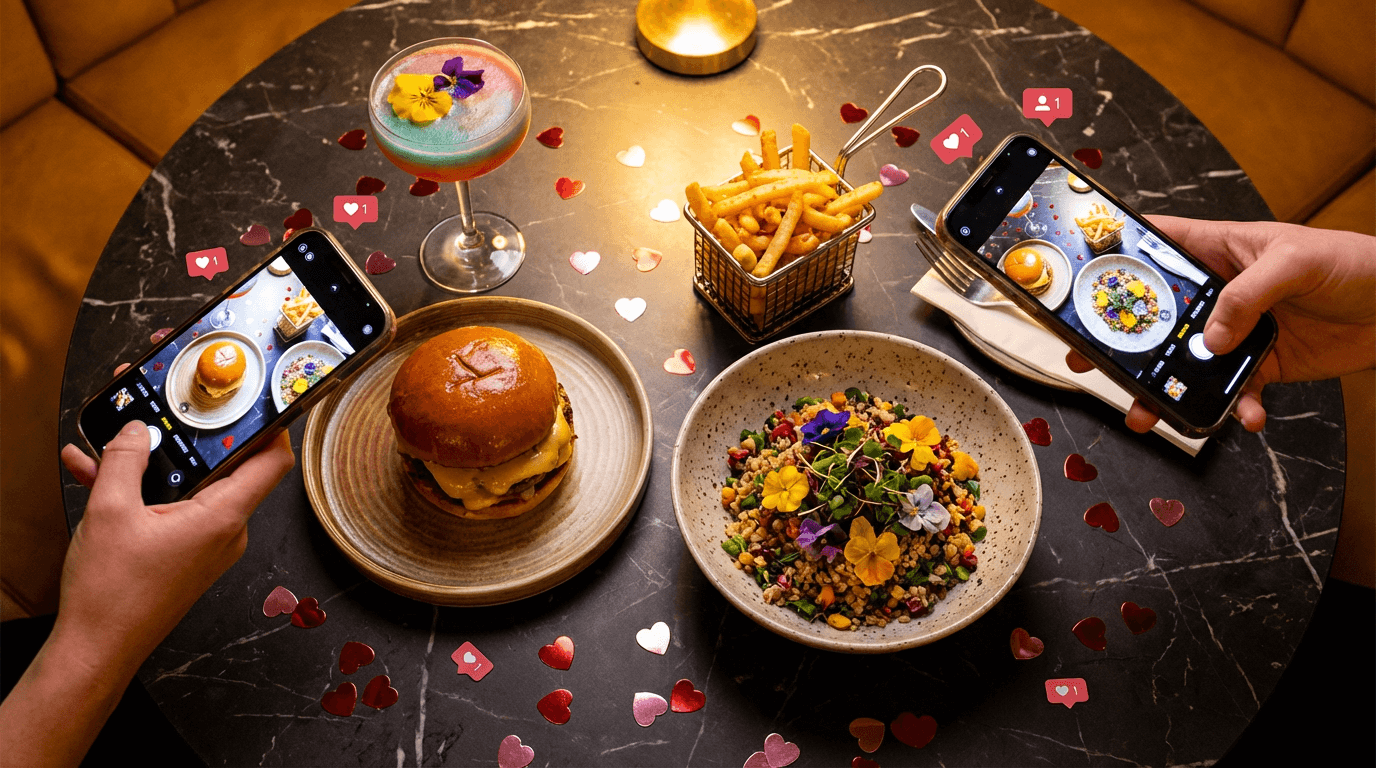
What do the best restaurant social media campaigns have in common? Seventy-four percent of diners now choose where to eat based on what they see on social media. That number alone should make every restaurant owner rethink their marketing and posting strategy. But here's the thing — posting more often isn't what separates restaurants that thrive on social media from those that struggle. It's how they post.
Quick Summary: The best restaurant social media campaigns share a few traits: a distinctive brand voice, strong visual content, and strategies tied to real business outcomes. We break down 10 standout campaigns — from Wendy's legendary roasts to Chipotle's TikTok dominance — and pull out the specific takeaways you can apply to your own restaurant marketing, regardless of budget or size.
Why These 10 Restaurant Social Media Campaigns Matter
The restaurant social media landscape is more competitive than ever. With 45% more restaurant competition in 2025 compared to previous years and social media ad spending reaching $276.7 billion globally, simply having an Instagram account isn't a strategy — it's table stakes.
What makes the difference? After analyzing dozens of restaurant social media campaigns, from global chains to neighborhood bistros, a clear pattern emerges: the most successful campaigns combine a unique brand voice with visual content that stops the scroll. Professional food photography, specifically, is the foundation of every marketing campaign on this list.
Whether you're running social media marketing for a restaurant with a five-figure budget or working with nothing but your iPhone, each of these 10 campaigns offers a concrete, actionable takeaway. Let's dig into the best restaurant social media campaigns we've seen.
1. Wendy's Twitter Roasts: How Sass Became a $194 Million Strategy
Platform: Twitter/X | Key Move: Giving the social team zero approval on posts
Wendy's didn't become the most talked-about fast food brand on social media by playing it safe. Their social media team operates with something almost unheard of in corporate America: zero layers of approval before posting. That's right — no legal review, no manager sign-off, no waiting.
The strategy: Rather than treating social media as a broadcast channel for promotions, Wendy's turned their Twitter account into a personality. The brand roasts competitors (especially McDonald's "perpetually broken ice cream machines"), fires back at fans who ask for it, and jumps on trending topics with a speed that makes other corporate accounts look like they're running on dial-up.
The results speak for themselves:
- 3.8 million Twitter followers
- Posts regularly getting 10,000+ shares and 30,000+ likes
- A National Roast Day campaign on TikTok that gained 153,900 new followers in a single event
- 37.4% lift in Ad Recall and 28.1% lift in Awareness (TikTok data, 2023)
- Profit growth of 49.7% — from $129.6 million to $194 million in fiscal 2016, during the peak of the strategy's rollout
According to Sprout Social, 71% of consumers say they're more likely to engage with humorous brands on social media. Wendy's built an entire brand identity around that insight — and it's one of the best restaurant social media campaigns in the industry.
🔑 Takeaway you can apply: You don't need a massive following to develop a unique voice. Pick one personality trait — humor, warmth, boldness, nerdiness — and commit to it across every post. Consistency beats cleverness. And if you can respond to comments in real time (restaurants that reply to comments see 23% higher engagement), you're already ahead of most competitors.
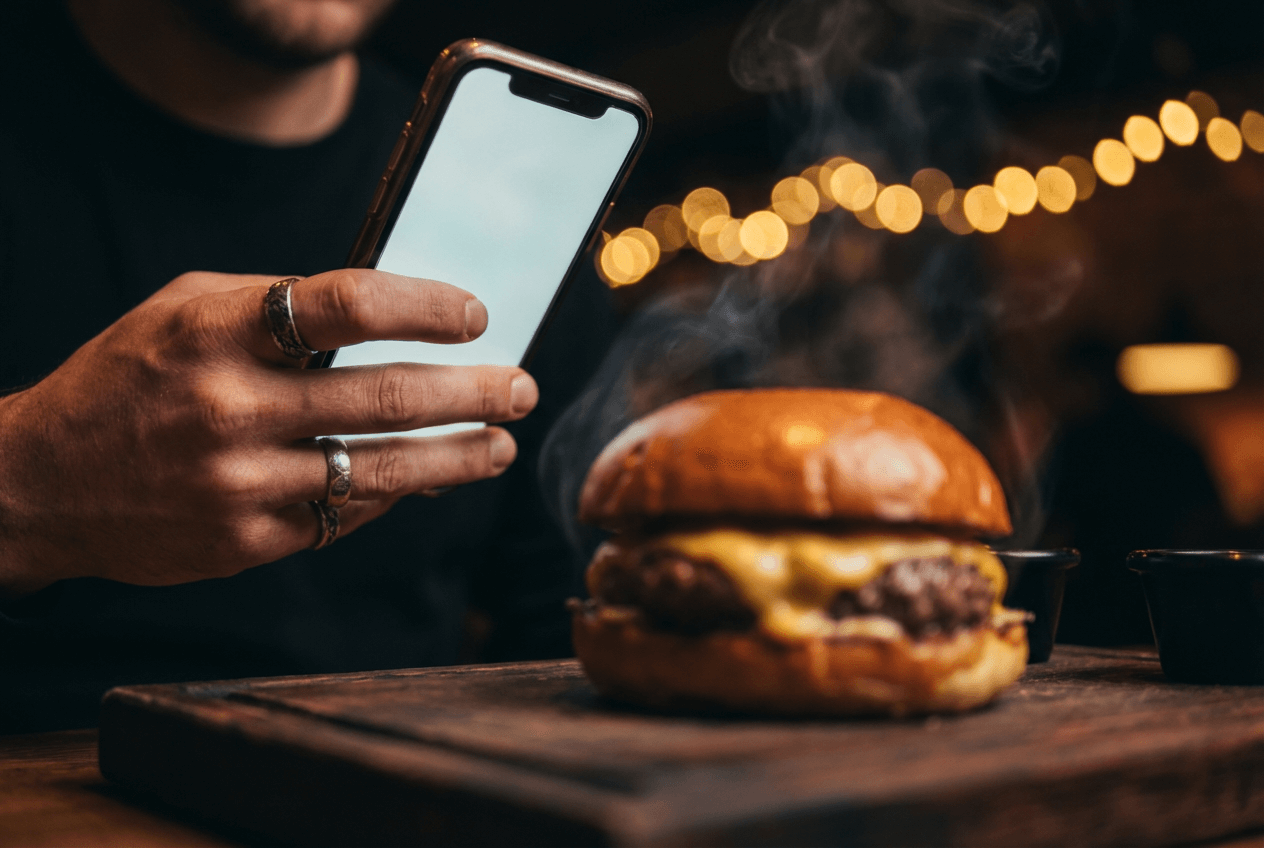 Smartphone capturing a gourmet burger photo for social media marketing in restaurant setting
2. Chipotle's TikTok Challenges: 250,000 Videos From Fans in One Week
Platform: TikTok | Key Move: First major restaurant brand to launch on TikTok
When Chipotle's data team noticed that most of their delivery orders came from Gen Z consumers, they didn't just increase their Instagram posting frequency. They went where Gen Z actually hangs out — and in 2018, that was TikTok. Chipotle became the first major restaurant brand to establish a presence on the platform, and it paid off spectacularly.
The strategy: Chipotle launched branded hashtag challenges tied directly to business objectives — not vanity metrics. The #ChipotleLidFlip challenge encouraged users to film themselves flipping a burrito bowl lid, timed to Cinco de Mayo and a free delivery promotion. The #GuacDance challenge, tied to National Guacamole Day, had users showing off dance moves in exchange for free guacamole.
By the numbers:
- #ChipotleLidFlip: 110,000 user-generated videos in just six days
- #GuacDance: 250,000 video submissions, 430 million impressions, and 800,000+ sides of guacamole served in six days — their biggest Guacamole Day ever
- The original Lid Flip video hit 1 billion views
- The brand now has over 2 million TikTok followers with a 12% average engagement rate
- Partnership with creators like David Dobrik, Zach King, and Loren Gray amplified reach to 75 million combined followers
🔑 Takeaway you can apply: You don't need a billion-view challenge. The formula is simple: make participation easy, tie it to a real promotion, and partner with even one or two local creators who have an engaged following. A "flip your coffee cup" or "build your perfect plate" challenge at a neighborhood café can generate real UGC — and user-generated content achieves conversion rates 10x higher than brand-created posts.
3. Sweetgreen's Seasonal Storytelling: Making Salad a Cultural Moment
Platform: Instagram | Key Move: Treating seasonal produce like fashion drops
Sweetgreen didn't just build a salad chain — they built a lifestyle brand with 1.2 million Instagram followers. Their secret? They treat seasonal menu changes with the same hype and production value as a fashion brand dropping a new collection.
The strategy: Each seasonal menu launch gets its own campaign identity. Their "Brussels Are Back" campaign for the fall brussel sprout menu starred Aki and Koichi — a stylish couple in their 70s famous in fashion circles for wearing Comme des Garçons and Issey Miyake. The concept? "Nothing is more fashionable than eating what's in season."
Sweetgreen also weaves sustainability storytelling into every post, featuring farmers and suppliers by name. They share behind-the-scenes sourcing stories that make followers feel like insiders, not just customers.
What makes it work:
- 4–6 seasonal menu rotations per year create built-in content moments
- Fashion-forward collaborations (including NYFW partnerships) position salad as culture, not diet food
- Every post features meticulous food photography — bright, clean compositions that make greens look genuinely craveable
- The co-founder personally hypes launches on his own Instagram, adding an authentic human element
🔑 Takeaway you can apply: Your seasonal menu changes are content gold. Don't just swap items quietly — announce them. Tell the story of why this ingredient is special right now. Even a neighborhood cafe can film a 30-second Reel about the local farm where their strawberries come from. Stories beat static product shots every time.
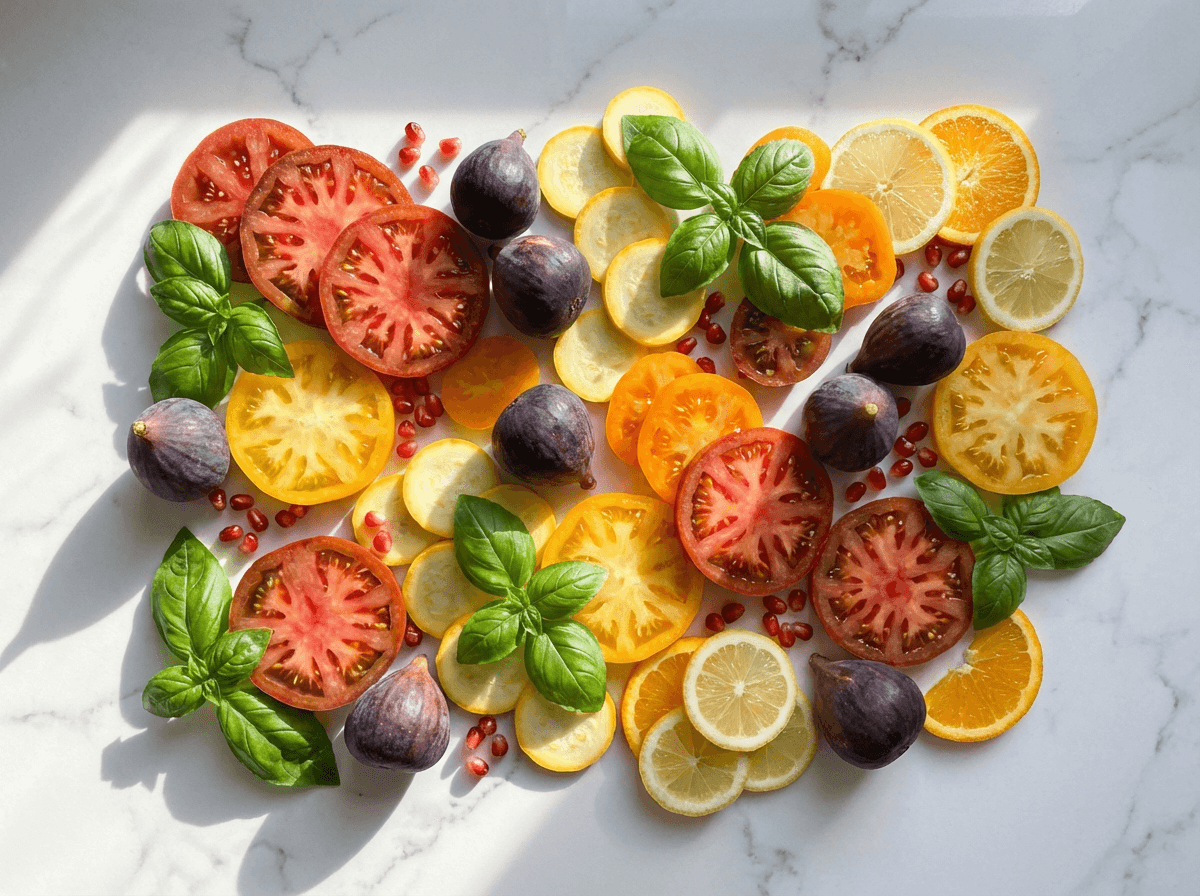 Seasonal food ingredients arranged in editorial style for restaurant social media content creation
4. Nando's Cheeky Social Presence: Quality Over Quantity
Platform: Twitter + Instagram | Key Move: Posting less, but making every post count
Nando's topped the UK's Food and Beverage Social Media Benchmark with more followers on both Facebook and Twitter than any other food and beverage brand — including Domino's and Starbucks. The surprising part? They post less often than almost every competitor in the ranking.
The strategy: Nando's leans into cultural commentary and current events with a distinctly cheeky British-South African humor. Rather than filling feeds with daily product posts, they wait for the right moment and strike with something genuinely clever. During the U.S. presidential inauguration in 2017, Nando's ran a bold diversity-focused campaign that leaned into their brand values of inclusivity.
The results were massive:
- 1.5 million Twitter followers — half a million more than second-place Domino's in UK benchmarks
- The inauguration campaign drove a 122% sales lift during that week, plus $14.8 million in earned media and an 8% lift in brand perception
- A TikTok campaign in 2023 jumped ad awareness 9% in the 18–24 demo (from 11% to 20% in two weeks)
🔑 Takeaway you can apply: Stop stressing about posting every day. If your content isn't interesting, more of it won't help. One genuinely clever, well-timed post per week outperforms seven forgettable ones. Pay attention to what's happening in your local community and tie your social media content to moments that matter.
5. Domino's Transparency Turnaround: Turning Criticism Into Content
Platform: Multi-platform | Key Move: Filming a documentary about their own failures
In 2009, Domino's was in crisis. A viral video of employees mishandling food had tanked public trust. Most brands would have gone silent or launched a PR cleanup campaign. Domino's did something radical: they made a documentary about how bad their pizza used to be.
The strategy: The "Pizza Turnaround" campaign featured real Domino's executives reading brutally honest customer feedback on camera — comments like "the crust tastes like cardboard" — and then showing exactly what they were changing. They posted the full documentary on YouTube and amplified it across social media. Later campaigns like "Paving for Pizza" (fixing potholes to protect pizza deliveries) and tweet-to-order via 🍕 emoji extended the transparency-first approach.
The numbers tell the story:
- The carryout campaign generated 2 billion earned media impressions and a 14.6% increase in carryout sales
- "Paving for Pizza" generated 820 million earned media impressions and 35,000 organic social mentions in its first week alone
- Post-turnaround, positive comments increased by 75%
This is one of the best restaurant social media campaigns for a simple reason: it turned a brand's biggest weakness into its most powerful marketing asset.
🔑 Takeaway you can apply: Don't hide from criticism — it's content. If you got a harsh review about slow service and you've fixed the problem, tell that story. Film your team prepping faster, show the new kitchen layout, share the before-and-after. Transparency builds trust with customers faster than any paid ad.
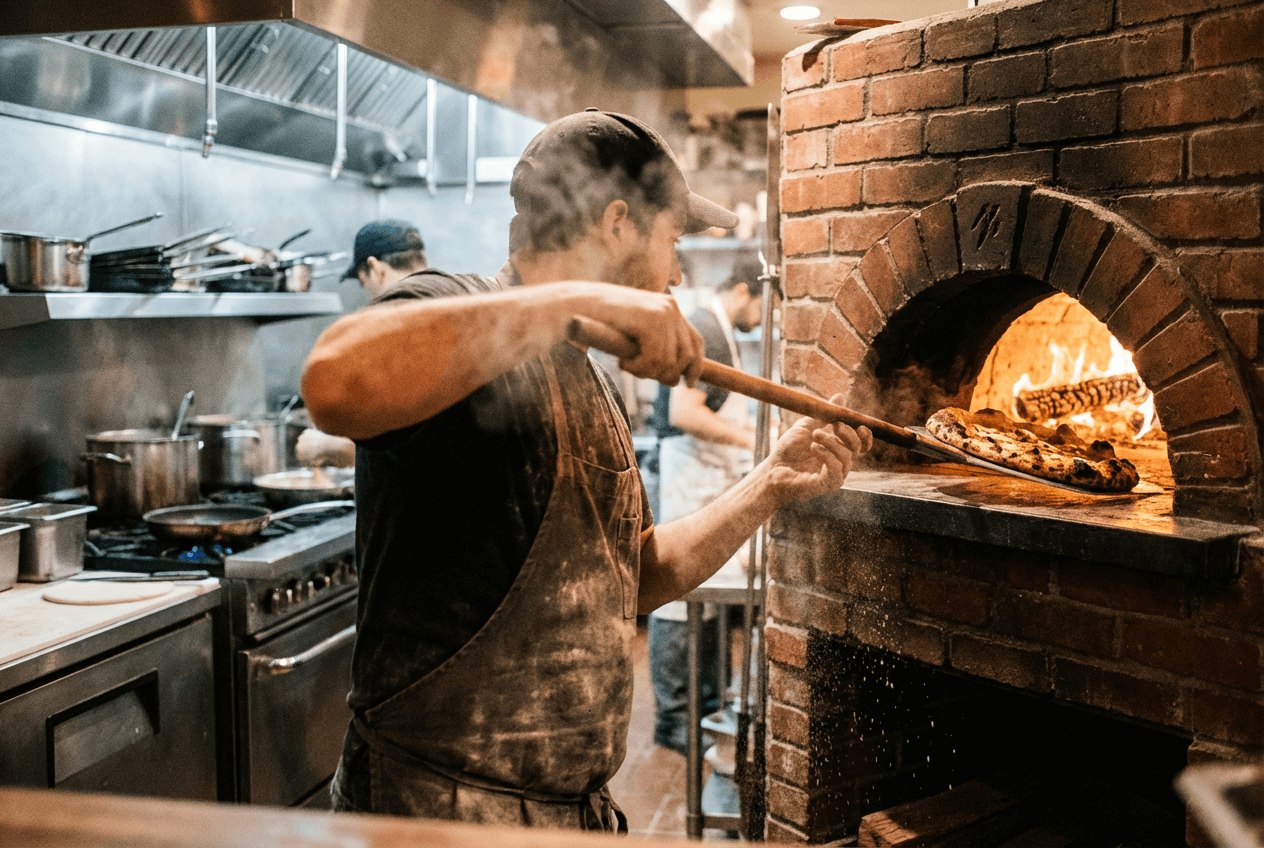 Chef pulling pizza from wood-fired oven showing behind-the-scenes restaurant content for social media
6. Starbucks' Pumpkin Spice Latte: How a Drink Became a Character
Platform: Instagram, Twitter, Tumblr | Key Move: Giving a product its own social media personality
Most restaurants promote their seasonal specials with a photo and a "limited time only!" caption. Starbucks created an entire fictional persona for theirs.
The strategy: The Pumpkin Spice Latte (PSL) has its own verified social accounts: @TheRealPSL on Twitter, Instagram, and Tumblr. The character has a personality (enthusiastic, fall-obsessed, slightly self-aware), wears colorful sunglasses, and "speaks" directly to fans. Starbucks also created the Leaf Rakers Society — a dedicated online community for PSL enthusiasts that turned product loyalty into a genuine social community.
The brilliance is in restraint: Starbucks uses no more than about 15 tweets and 10 Instagram posts per PSL season. Each one is meticulously crafted for maximum engagement.
The impact:
- Over 200 million PSLs served since the drink's introduction
- A single PSL return announcement garnered 15,000 retweets and 41,000 likes
- The "Great PSL Hatch" livestream inspired fans to create their own Facebook group ("Pumpkin Watch") to discuss theories and Easter eggs — the group is still active
- The campaign has won multiple Shorty Awards for social media excellence
🔑 Takeaway you can apply: Do you have a signature dish or menu item that regulars love? Give it a personality. A weekly "signature dish spotlight" post series with a consistent voice and visual style can turn a menu item into a reason to follow your account. You don't need verified accounts — just consistency and a bit of creativity.
7. Arby's Papercraft Art: Finding Your Niche Audience
Platform: Instagram + Twitter | Key Move: Targeting geek culture with handmade art
Arby's was getting outspent on social media marketing by every major competitor. McDonald's, Wendy's, and Burger King all had bigger budgets and more followers. Instead of trying to compete on the same turf, Arby's found a completely different game.
The strategy: Arby's social team began creating handmade papercraft art sculptures using Arby's food packaging and products — recreating characters from video games, anime, movies, and comics. Pokémon made from curly fries. Harry Potter wands from mozzarella sticks. Each post targeted a niche, highly engaged community that other fast food brands were ignoring entirely.
The philosophy was "engaging over selling." Arby's inhabited the persona of an unabashed fan — talking about the thing the audience loved, not at them about Arby's products.
Results:
- 19% year-over-year follower growth on Instagram
- A single tweet about Pharrell's Grammy hat earned 78,000+ retweets and 6,000 new followers
- Multiple Shorty Awards for social media creativity
- Established Arby's as "the most engaged-with QSR on social media" per their agency's benchmarks
🔑 Takeaway you can apply: You don't need to appeal to everyone. What niche community does your restaurant naturally serve? A sports bar could create content around fantasy football. A ramen shop could reference anime culture. Find your people and create content specifically for them. Keep this in mind: influencer collaboration posts see 8–15% engagement on average, but niche organic content from brands can often outperform even paid influencer campaigns.
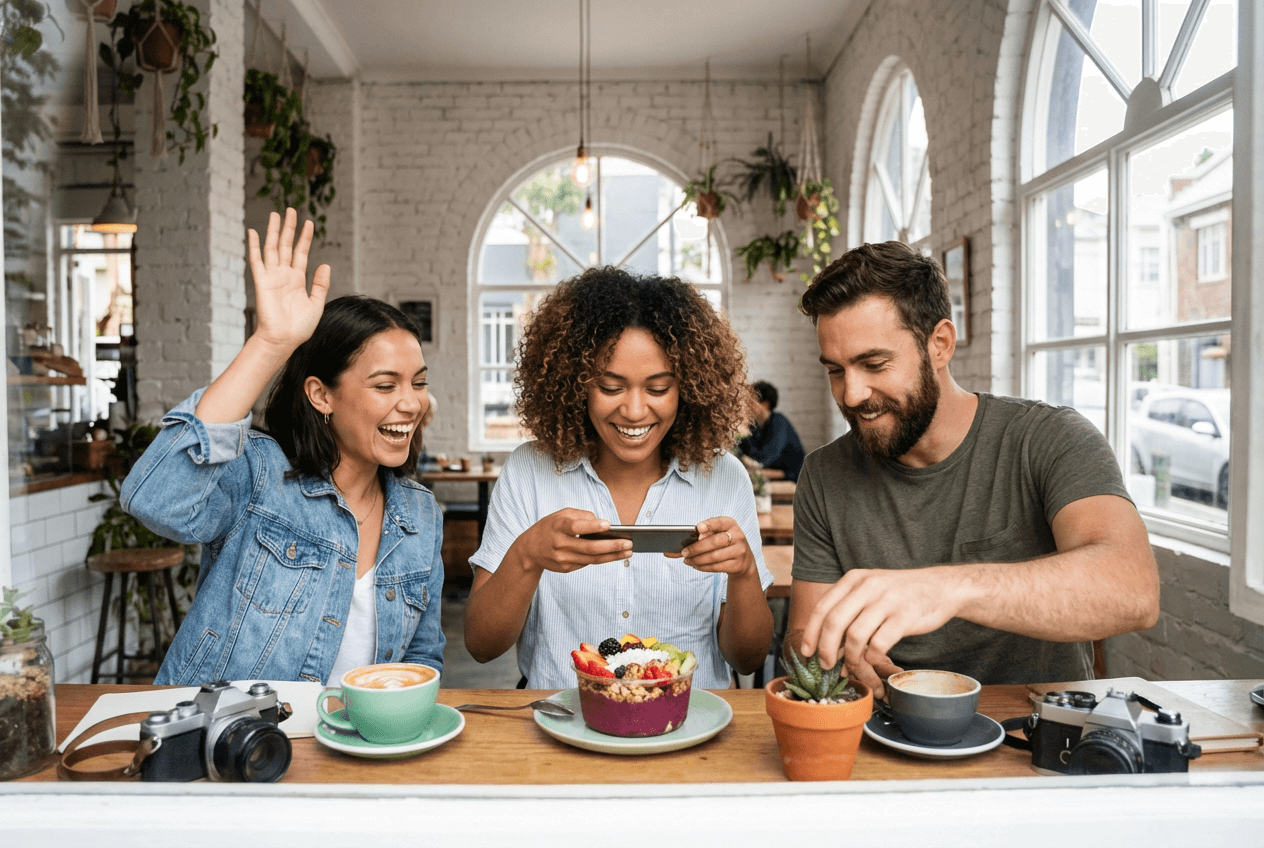 Friends photographing food at a cafe creating user-generated content for restaurant social media
8. Shake Shack's 'Worth It' Campaign: Premium Photography as Strategy
Platform: Instagram + CTV | Key Move: Film-quality food photography to justify premium pricing
In a fast food landscape dominated by value deals and dollar menus, Shake Shack faced a challenge: convincing customers their $8+ burgers were worth the premium. Their answer wasn't coupons or discounts — it was showing the food so beautifully that the price felt justified.
The strategy: The "Worth It" campaign, directed by renowned food photography duo Peden+Munk, featured slow-motion close-ups of burgers, shakes, and fries in cinematic detail. No gimmicks, no challenges — just food that looked so good it made you hungry. The campaign ran across connected TV (Amazon Prime), social media (Facebook, Instagram, YouTube, Reddit), and out-of-home placements including billboards, bus shelters, and EV charging stations.
Performance:
- 840,000+ Instagram followers
- Instagram traffic converts at 7.04% — nearly double the typical social media conversion rate
- The "At Your Shack" cooking series during COVID generated significant engagement by showing customers how to make signature items at home, building brand affinity during lockdowns
🔑 Takeaway you can apply: This is where visual quality becomes directly tied to revenue. If you're charging premium prices, your social media photos need to match. A dark, blurry shot of your $25 pasta does more harm than no photo at all. Even a basic upgrade to your food photography quality can shift perception instantly. Consider AI food photography tools to transform smartphone shots into professional-grade content without hiring a photographer.
9. Popeyes x Hot Ones Collab: When Culture Meets the Menu
Platform: Multi-platform | Key Move: Partnering with a media brand, not just an influencer
In September 2025, Popeyes announced a "first-of-its-kind menu collaboration" with Hot Ones, the wildly popular YouTube interview show where celebrities eat progressively spicier wings. The collab introduced three new menu items at mild, medium, and hot spice levels — directly mapping to the show's iconic format.
The strategy: This wasn't a typical influencer deal. Hot Ones isn't a person — it's a media brand with 10+ million subscribers and a built-in audience of spice enthusiasts. The partnership gave Popeyes instant credibility in the "heat culture" space and generated organic cross-platform content from both fan bases. The launch was timed to coincide with the show's new season, creating a shared cultural moment.
Why it worked:
- Cross-platform buzz with built-in audience overlap
- The product was the content — fans filmed themselves trying each spice level, creating organic UGC
- Limited-edition urgency drove both foot traffic and social media conversation
🔑 Takeaway you can apply: Think beyond individual influencers. Is there a local podcast, YouTube channel, food blogger collective, or community organization you could partner with for a menu collab? A "Chef's Choice" series where a local food writer picks their dream plate can generate content, foot traffic, and genuine community connection.
10. The Local Restaurant Instagram Glow-Up: Photo Quality as Growth Hack
Platform: Instagram | Key Move: Upgrading from casual phone photos to professional-quality food images
Not every winning social media campaign needs a viral hashtag or celebrity partnership. For thousands of independent restaurants, the single biggest lever for social media growth is deceptively simple: better photos.
The pattern: Across the restaurant industry, a consistent story plays out. A small restaurant posts occasionally — dim photos taken during service rush, uneven lighting, cluttered backgrounds. Engagement is low, growth is flat. Then they invest in professional-quality food photography, and everything changes.
The data backs this up. According to industry research, menus with professional photography increase sales by 20–45%. High-quality food images can boost online orders by up to 30%. And with 84% of Gen Z actively trying food they discover on social media, the quality of your food photos is quite literally the gatekeeper to your next generation of customers.
The challenge: Professional food photography has traditionally been expensive — often $700–$1,400 per session. That's a significant investment for a small restaurant that needs dozens of images for their social media, delivery apps, and website.
🔑 Takeaway you can apply: You don't need a viral moment. You need consistently good-looking food on your feed. Start with solid iPhone food photography tips — natural lighting, clean backgrounds, the 45-degree angle. If you want professional-grade results without the professional-grade price tag, tools like FoodShot AI can transform your existing phone photos into polished, menu-ready images in about 2 minutes. It's the difference between a feed that someone scrolls past and one that makes them save your post and plan a visit.
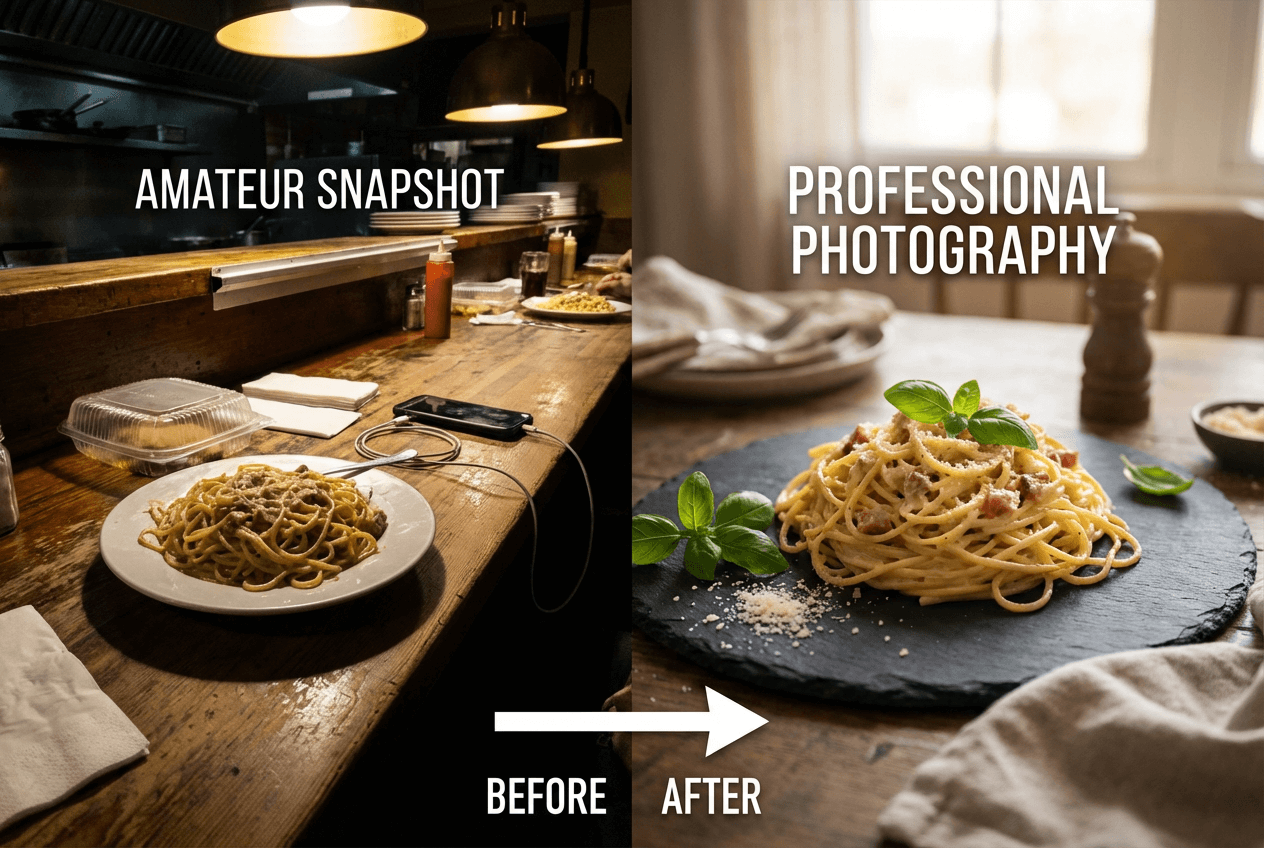 Before and after comparison of amateur versus professional restaurant food photography for social media
The Common Thread: Visual Quality Drives Everything
Look across all 10 best restaurant social media campaigns on this list. Wendy's tweets work because the memes and visuals are sharp. Chipotle's TikTok challenges spread because the food looks irresistible in close-up. Sweetgreen's Instagram thrives because every salad is photographed like it belongs in a magazine. Shake Shack literally built an entire campaign around the idea that their food photography justifies their prices.
The common thread isn't budget. It isn't follower count. It's visual quality.
Here's the hard truth: social media platforms are visual-first. Instagram's algorithm favors engagement, and people engage with beautiful food. TikTok's "For You" page rewards thumb-stopping content. Even Twitter engagement spikes when posts include compelling images.
If your restaurant's social media isn't growing, the first thing to examine isn't your posting schedule or hashtag strategy — it's whether your food photos actually look good. Avoid the most common food photography mistakes and you'll be ahead of most competitors before you even think about campaign strategy.
The gap between amateur phone photos and professional results has never been easier to close. AI food photography tools now let any restaurant owner transform a quick smartphone shot into a polished, social-media-ready image — no studio, no photographer, no Photoshop skills required. The comparison between traditional vs AI food photography is increasingly favoring the AI approach for day-to-day social content needs.
Start Your Own Campaign: A 5-Step Action Plan
You've seen what the best restaurant social media campaigns look like. Here's how to actually start yours.
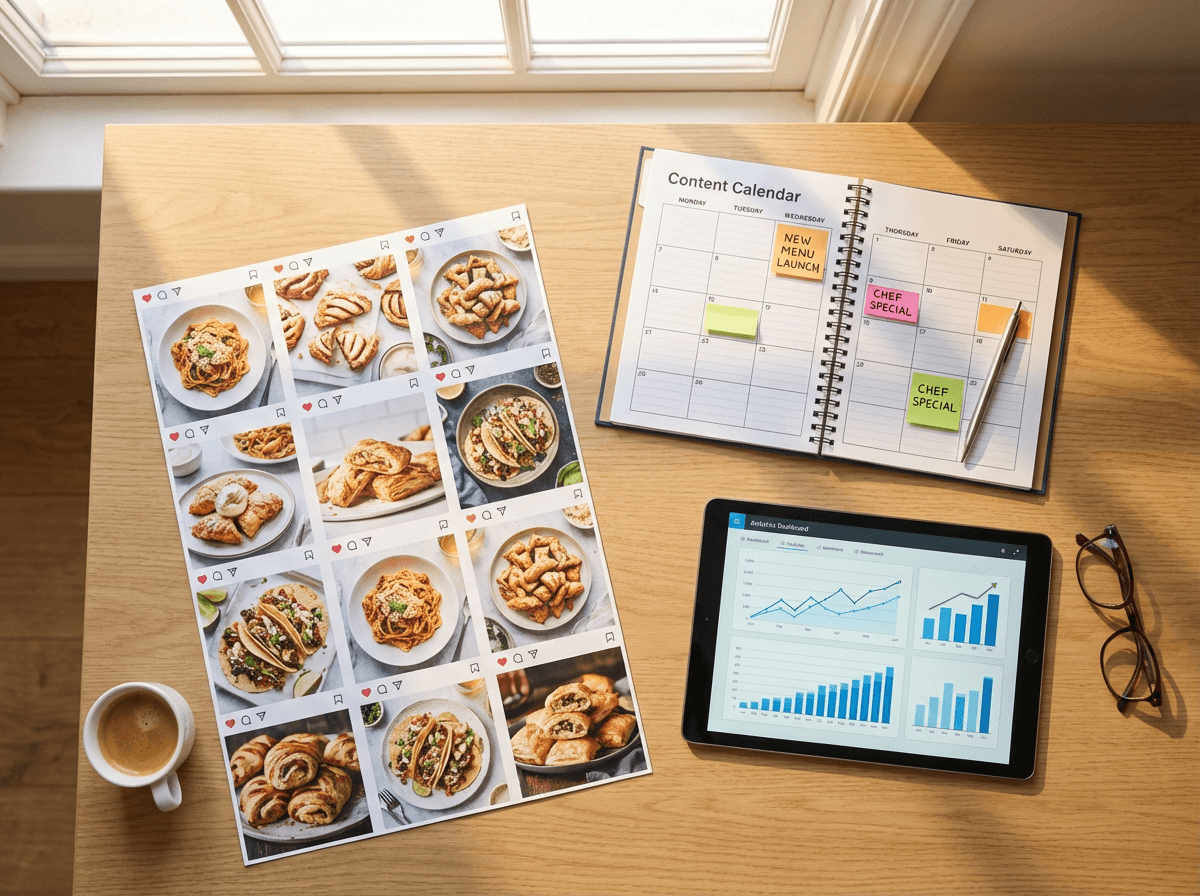 Restaurant social media content calendar and campaign planning workspace with food photos arranged in grid
Step 1: Define Your Brand Voice
Before you post anything, answer this: if your restaurant were a person at a dinner party, how would they talk? Wendy's is the sharp-tongued comedian. Sweetgreen is the stylish friend who knows every farmers market. Nando's is the cheeky one who always has a clever comeback.
Write down three adjectives that describe your restaurant's personality. Every caption, reply, and story should feel like it came from that same "person."
Step 2: Pick One Platform and Dominate It
Don't try to be everywhere. Pick the social media platform where your target customers spend time:
- Instagram for visual storytelling and local discovery (best for most restaurants)
- TikTok for reaching younger audiences with short-form video
- Facebook for community engagement and events (strong for family and casual dining)
Master one before adding another.
Step 3: Build a Simple Content Calendar
Plan your content around these recurring categories:
- Menu highlights (2–3 per week): Your best-looking dishes, seasonal specials, new items
- Behind the scenes (1 per week): Kitchen prep, team moments, supplier stories
- Community content (1 per week): Repost customer photos, local events, responding to reviews
- Campaign moments (monthly): Seasonal launches, collabs, challenges, limited-time offers
Step 4: Invest in Visual Quality
This is non-negotiable. Every successful restaurant marketing campaign on this list relies on strong visuals. Your options:
- DIY with your phone: Good lighting + clean background + the right angle goes a long way. Read our iPhone food photography tips guide.
- AI-enhanced photography: Upload your phone photos to an AI food photo editor to get studio-quality results in about 2 minutes — ideal for restaurants that need fresh social content regularly. AI photography for cafes and small restaurants is especially cost-effective.
- Professional photographer: Best for major menu launches or brand refreshes where you need an extensive library of hero shots.
For most restaurants, a combination of options 1 and 2 covers daily social media needs at a fraction of the traditional photography cost.
Step 5: Measure, Learn, Iterate
Track these three metrics monthly:
- Engagement rate: Are people interacting with your posts? (Likes, comments, saves, shares)
- Profile visits from posts: Are posts driving people to learn more about you?
- Website clicks or direction requests: The metric that actually matters — are people coming to eat?
Double down on what works. Cut what doesn't. The restaurants with the best social media campaigns aren't the ones with the biggest budgets — they're the ones who pay attention to their data and adapt.
Frequently Asked Questions
What social media platform is best for restaurants?
Instagram remains the strongest all-around platform for restaurant social media marketing in 2026. It combines visual content (essential for food), local discovery features, and a user base that actively uses the platform to find places to eat. TikTok is a strong second choice, especially if your target audience skews under 35 — 70% of Gen Z identifies TikTok as their most valuable platform for food recommendations. Facebook still matters for community building, events, and reaching older demographics.
How often should a restaurant post on social media?
Quality beats quantity every time — Nando's proved that by posting less than competitors while topping engagement benchmarks. That said, aim for at least 3–5 posts per week on your primary platform, plus daily Stories on Instagram. The key is consistency. Posting three times a week every week is better than posting ten times one week and disappearing for two.
How much do restaurant social media campaigns cost?
The range is enormous. Wendy's and Chipotle spend millions on their campaigns, but the local restaurant glow-up strategy costs almost nothing beyond time. A basic approach — DIY photography enhanced with AI tools for social media content, organic posting, and community engagement — can run under $50/month. Adding paid social media advertising for restaurants typically starts at $200–$500/month for local businesses. The biggest investment isn't money — it's consistently creating quality content.
What makes restaurant social media campaigns go viral?
Across the campaigns we analyzed, viral moments share three traits: they're easy to participate in (Chipotle's lid flip), they tap into existing cultural moments (Nando's inauguration post, Arby's geek culture), and they create emotional reactions — humor, surprise, nostalgia, or craving. But chasing virality is a losing game. Focus on consistent quality and community building, and viral moments will come naturally.
How can small restaurants compete with chains on social media?
Small restaurants actually have advantages chains don't: authenticity, local community ties, and the ability to move fast without corporate approval layers. Share your origin story, feature your team by name, repost customer content, and respond to every comment personally. Chains can't replicate that personal touch. Pair it with professional-quality food photography — even using AI-powered tools for cafes and small restaurants — and you can build a social media presence that chains can't match in your local market.