Best Social Media Platforms for Restaurants in 2026
 Ali Tanis14 min read
Every restaurant needs social media in 2026. But no restaurant needs to be everywhere. If you're trying to figure out the best social media for restaurants like yours, the answer depends on three things: your concept, your audience, and your bandwidth.
This guide compares 8 social media platforms head-to-head so you can make that call with confidence. Skip straight to the decision matrix for the short version, or keep reading for the full platform-by-platform breakdown.
Quick Summary: Instagram and Google Business Profile are non-negotiable for every restaurant. TikTok is essential for fast-casual and trendy concepts. Pinterest is a hidden gem for bakeries and cafes. Focus on 2-3 platforms done well rather than spreading thin across all eight — and invest in great food photography as the foundation for all of them.
Best Social Media for Restaurants: The Platform Matrix
Here's every platform compared side-by-side. Find your restaurant type, check the ROI potential, and build your social media marketing strategy from there.
| Platform | Best Restaurant Type | Top Content Format | Posting Frequency | Engagement Rate | Effort | ROI Potential |
|---|---|---|---|---|---|---|
| All restaurants | Reels, Stories, Carousels | 4–5x/week | 0.48% | Medium | ⭐⭐⭐⭐⭐ | |
| Google Business Profile | All restaurants | Photos, Posts, Reviews | 1–2x/week + photo updates | N/A (search) | Low | ⭐⭐⭐⭐⭐ |
| TikTok | Fast-casual, trendy spots | Short video (15–60s) | 3–5x/week | 2.5% | Medium-High | ⭐⭐⭐⭐ |
| Family spots, neighborhood restaurants | Events, Groups, Ads | 3–5x/week | 0.15% | Low-Medium | ⭐⭐⭐ | |
| Bakeries, cafes, dessert shops | Vertical pins, recipe pins | 5–10 pins/week | High intent | Low | ⭐⭐⭐⭐ | |
| YouTube | Chef-driven, multi-location brands | BTS videos, Shorts, tutorials | 1–2x/week | Varies | High | ⭐⭐⭐ |
| X (Twitter) | QSR, food trucks | Text updates, polls, threads | 1–3x/day | 0.12% | Low | ⭐⭐ |
| Yelp | All restaurants (urban especially) | Photos, review responses | Weekly updates | N/A (reviews) | Low | ⭐⭐⭐⭐ |
The non-negotiables: Instagram + Google Business Profile. Every restaurant benefits from both, regardless of size or concept.
Tier 2 (high-impact): TikTok if your customers skew under 40. Facebook if they skew over 35. Many restaurants run both.
Tier 3 (strategic add-ons): Pinterest, YouTube, X, and Yelp — pick based on your specific restaurant type and available time.
For the full playbook on building a restaurant social media strategy from scratch, start with our complete social media marketing guide.
Instagram: The Visual Menu That Never Closes
Best for: All restaurants — especially fine dining, brunch spots, cocktail bars, and anything photogenic.
Instagram remains the most popular and important social media platform for restaurants in 2026. It's the leading app for food discovery among 18–35-year-olds, and a major shift happened in mid-2025: Instagram content is now indexed by Google, meaning your Reels and posts can now appear directly in local search results.
What works best:
- Reels (under 30 seconds): Quick plating videos, behind-the-scenes prep, and "day in the life" clips. Reels drive over 20% of time spent on Instagram.
- Stories: Daily polls, "what should we create today?" questions, and behind-the-counter moments. Low effort, high engagement.
- Carousels: Menu highlights, "top 5 dishes" posts, and seasonal specials. These get shared and saved more than single images.
- UGC reposts: Share customer photos and tag them — user-generated content drives 4x higher conversion than branded posts.
Posting frequency: 4–5 times per week minimum. Stories daily.
Key metric: Average engagement rate is 0.48% across Instagram (Socialinsider, 2026), but food content consistently outperforms that benchmark — especially Reels.
| Pros | Cons |
|---|---|
| Visual-first platform built for food | Algorithm changes frequently |
| Now indexed by Google (local SEO boost) | Requires consistent high-quality visuals |
| Shopping and ordering integrations | Organic reach declining year-over-year |
| Largest food discovery audience (18–35) | Time-intensive to maintain well |
Level up your Instagram presence with our Instagram food photography guide, which covers hashtags, editing, and content planning.
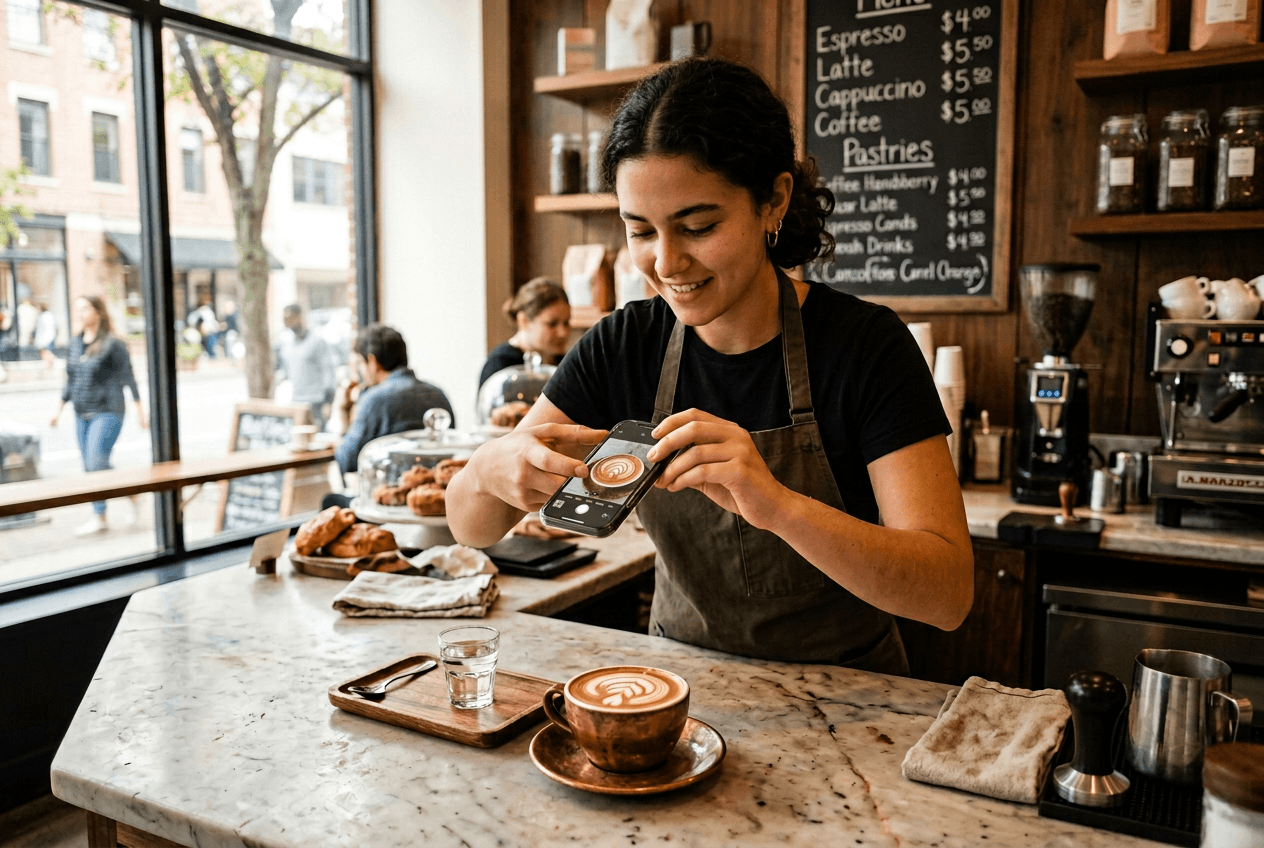 Barista photographing latte art for Instagram restaurant social media content
Google Business Profile: Your Local Search Lifeline
Best for: Every single restaurant. This is not optional.
Google Business Profile (GBP) isn't a traditional social media platform, but it may be your restaurant's most important digital page online. When someone searches "best Thai restaurant near me," your GBP listing is the first thing they see — and it directly determines whether customers visit you or scroll past.
What works best:
- Photos: Restaurant listings with 100+ photos receive 520% more calls and 2,717% more direction requests, according to Google. Professional-looking images make an outsized difference here.
- Posts: Share weekly updates about specials, events, or seasonal menu changes to keep your profile fresh.
- Reviews: The real currency of GBP. 73% of diners will choose a competitor if a restaurant doesn't respond to online feedback.
- Q&A: Monitor and answer customer questions proactively before they even ask.
Posting frequency: 1–2 posts per week. Upload new photos whenever you have them. Respond to reviews within 24 hours.
Key metric: 92% of consumers read restaurant reviews before visiting. Your GBP star rating is often the deciding factor between you and the place next door.
| Pros | Cons |
|---|---|
| Highest-intent traffic (people ready to eat now) | Limited creative control over page layout |
| Free to use and maintain | Negative reviews are publicly visible |
| Directly drives reservations and foot traffic | Profile updates can take time to reflect |
| Massive impact on local SEO rankings | Less engaging than visual platforms |
Your GBP photos matter more than most people realize. Even swapping a few amateur shots for polished ones can help change your click-through rate — see our guide on food photography for restaurant menus.
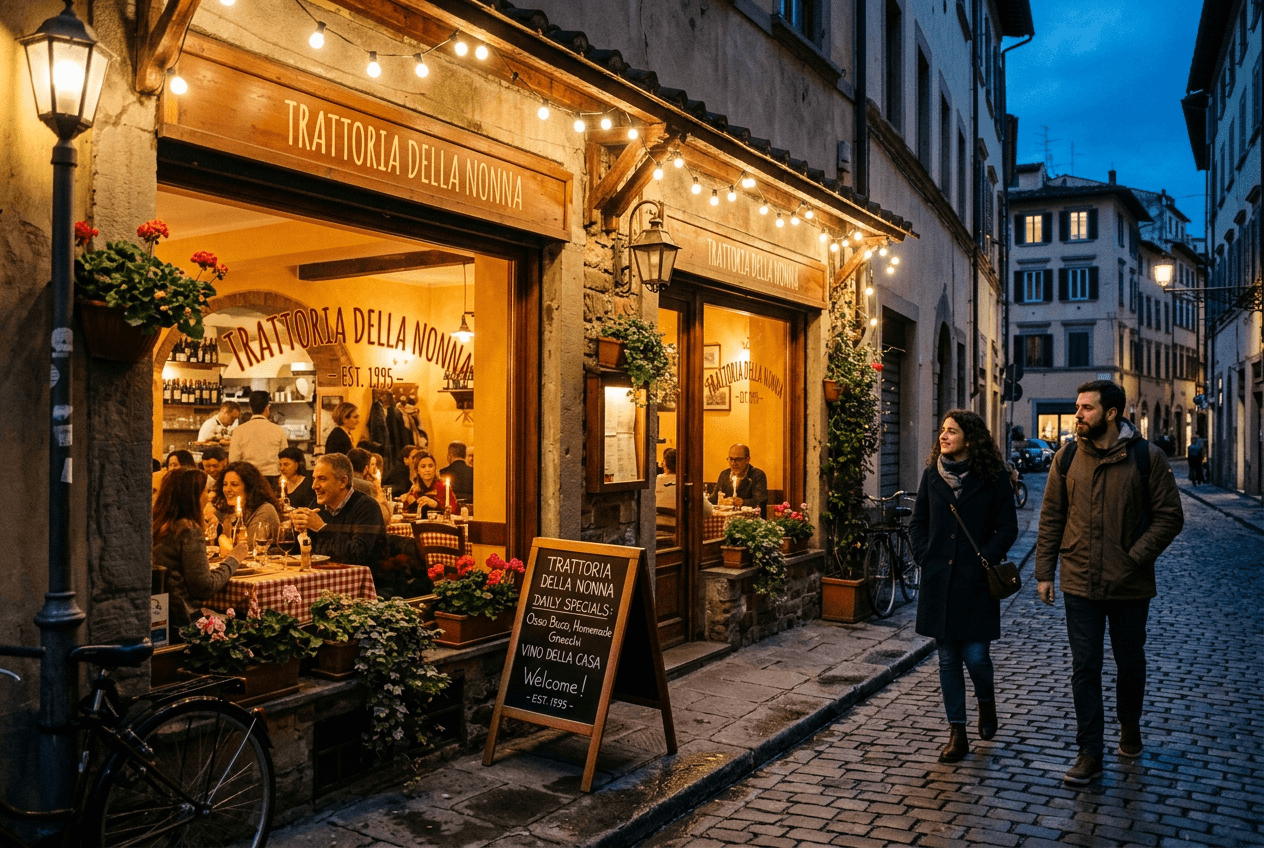 Neighborhood restaurant exterior at twilight showing local discovery and Google Business Profile visibility
TikTok: Where Restaurants Go Viral
Best for: Fast-casual restaurants, trendy concepts, food trucks, and any spot targeting Gen Z or younger millennials.
TikTok's "For You" algorithm doesn't care about follower counts. A single video from a brand-new account can reach hundreds of thousands of people — and for restaurants, that's a game-changer. Restaurant adoption of TikTok nearly doubled from 26% to 48% between 2023 and 2024, and the momentum hasn't slowed.
What works best:
- Behind-the-scenes prep: Kitchen footage, plating sequences, and "how it's made" videos. Authenticity beats production value.
- Chef personality content: The chef as a character builds loyal audiences fast.
- Trending sounds + food twists: Jump on popular audio trends and create food-related content around them.
- Customer reaction videos: First-bite moments and genuine reactions create shareable content.
Posting frequency: 3–5 times per week. Consistency matters more than polish.
Key metric: 55% of TikTok users have visited a restaurant after seeing its menu content. Average food engagement rate is 2.5% — over 5x higher than Instagram.
| Pros | Cons |
|---|---|
| Massive organic reach (even new accounts) | Requires video content (can't just post photos) |
| Highest engagement of any major platform | Demographic skews younger |
| Real viral potential for restaurants | Trends change rapidly |
| Low production bar — authenticity wins | Time-consuming to create consistently |
TikTok Spark Ads can amplify your best-performing organic videos by 2–5x reach at low cost. For campaign ideas, explore our list of the best restaurant social media campaigns.
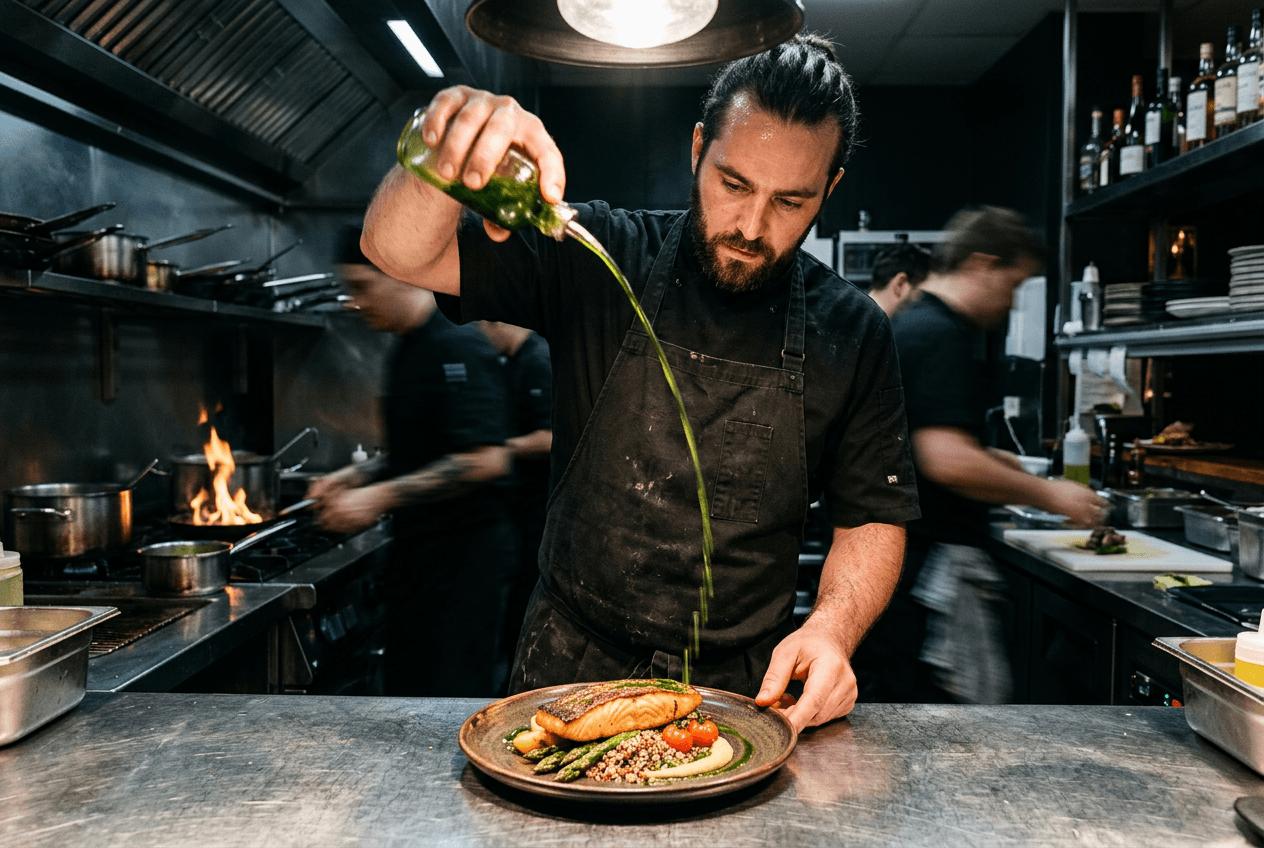 Chef dramatically plating a dish in a restaurant kitchen capturing viral TikTok content moment
Facebook: The Community Hub That Still Delivers
Best for: Family restaurants, neighborhood spots, event-driven venues, and restaurants with customers that skew 35+.
Facebook's organic reach has declined for years, but writing it off would be a mistake. About 95% of food businesses still use it, and its Events and Groups features remain unmatched for building local community online.
What works best:
- Events: Wine dinners, live music nights, holiday brunches. Facebook Events still drive real-world attendance better than any other platform.
- Facebook Groups: Create or join local food communities to establish your restaurant's name in the neighborhood.
- Ads: Facebook Ads CPC runs $0.40–$1.50 for restaurants — the most affordable paid social media reach available.
- Community posts: Staff spotlights, local partnerships, and neighborhood stories help build connection.
Posting frequency: 3–5 times per week.
Key metric: 75% of Facebook users say reviews and comments influence where they choose to eat.
| Pros | Cons |
|---|---|
| Most affordable paid advertising option | Organic reach continues declining |
| Events and Groups are still best-in-class | Low engagement rate (0.15% average) |
| Broadest demographic reach | Younger customers leaving the platform |
| Review system influences dining decisions | Posts get buried in the algorithm-driven feed |
For practical tips on stretching your marketing efforts, read our guide on how to promote your restaurant on social media.
Pinterest: The Secret Weapon for Bakeries and Cafes
Best for: Bakeries, cafes, dessert shops, brunch spots, caterers, and any restaurant with aspirational, highly visual food.
Pinterest is the most underrated social media platform for restaurants. Most food businesses ignore it entirely, which means lower competition and more visibility for those who show up. It's not right for every restaurant type — but if you sell pastries, specialty coffee, brunch plates, or wedding cakes, Pinterest might outperform everything except Instagram.
What works best:
- Vertical pins: Tall, gorgeous images of your best dishes. Think magazine-quality, not casual phone snaps.
- Recipe pins: Share simplified recipes that showcase your expertise and drive website traffic.
- Boards by category: "Brunch Menu," "Wedding Cakes," "Seasonal Specials" — organized boards help customers discover and save your content.
- Consistent aesthetic: Pinterest rewards curated, on-brand visuals. This is where strong visual branding pays off.
Posting frequency: 5–10 pins per week. This is the easiest platform to batch-create content for.
Key metric: 80% of weekly Pinterest users discover new brands on the platform — the highest brand-discovery rate of any social network.
| Pros | Cons |
|---|---|
| Evergreen content (pins drive traffic for months) | Not suited for every restaurant type |
| Users have high purchase intent | Slower audience growth than Instagram/TikTok |
| Very low competition from restaurants | Niche demographic |
| Perfect for bakeries, cafes, desserts | Requires high-quality vertical imagery |
Our Pinterest food photography tool helps you create scroll-stopping pins from existing dish photos. For bakeries and cafes specifically, see our pages on AI photography for bakeries and AI photography for cafes.
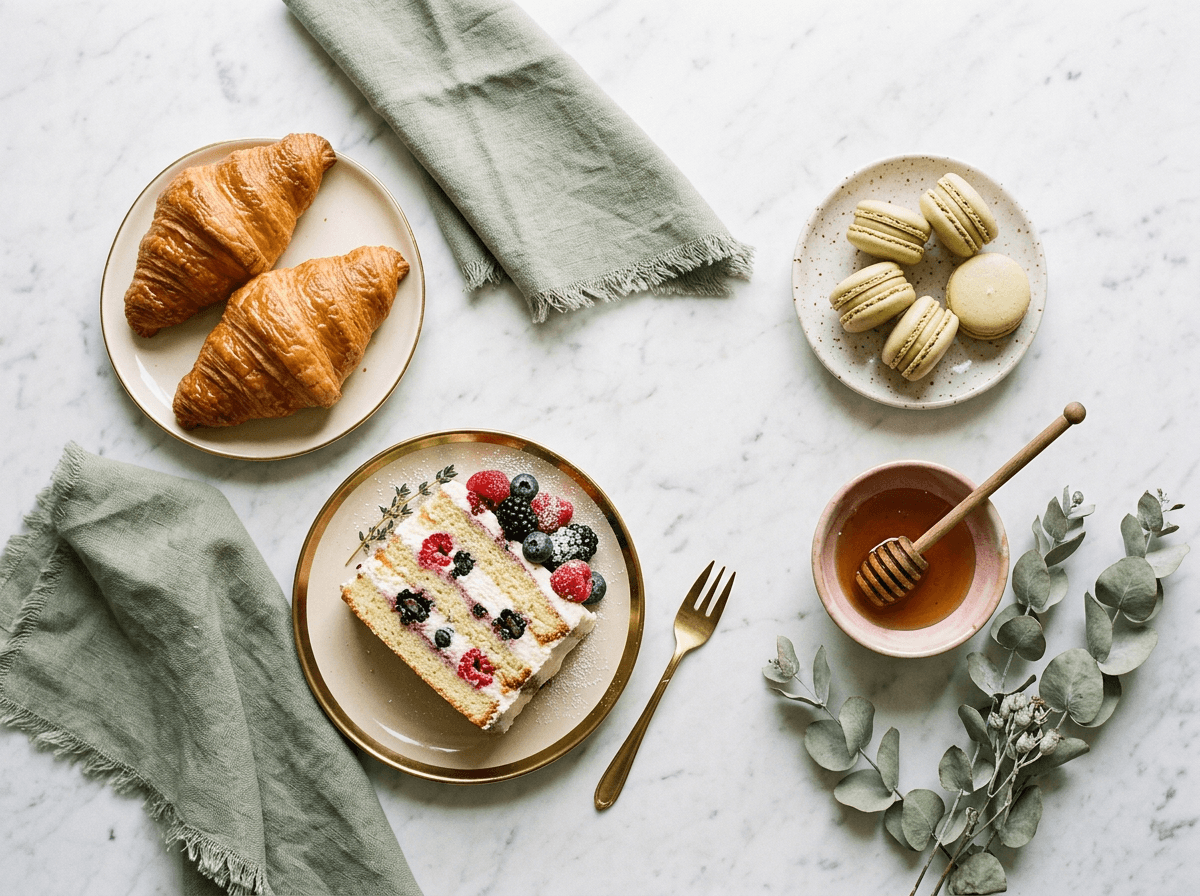 Artisanal bakery flat-lay styled for Pinterest food photography with croissants and pastries
YouTube: Long-Form Brand Storytelling
Best for: Chef-driven restaurants, cooking-focused brands, and multi-location chains with stories to tell.
YouTube is the highest-effort platform on this list, but it offers something others can't: deep brand-building and long-form SEO value. Google owns YouTube, and video results frequently appear in search — meaning your content can drive online discovery for years.
What works: Behind-the-scenes kitchen tours, cooking tutorials, chef profiles, and YouTube Shorts (repurpose TikTok/Reels content here). YouTube has 2.5 billion monthly active users — for restaurants investing in video, there's no bigger stage.
Posting frequency: 1–2 videos per week. Shorts more frequently.
| Pros | Cons |
|---|---|
| Strong SEO value (Google-owned, long shelf life) | Highest production effort required |
| Builds deep brand authority | Slow audience growth |
| YouTube Shorts expand short-form reach | Time-intensive to produce consistently |
| Content stays discoverable for years | Requires video skills or outside help |
X (Twitter): Real-Time Brand Voice
Best for: Quick-service restaurants, food trucks, and personality-driven brands that thrive on wit and real-time customer interaction.
X has lost ground as a marketing platform, but it works for brands with a distinctive voice. Wendy's made restaurant Twitter famous — if your brand name has that kind of personality, this is the place. Text posts actually outperform images and video on X, making it the lowest-production-cost option.
Posting frequency: 1–3 times per day. Posts take minutes to create.
Key metric: Over 90% of X users who follow small businesses plan to make a purchase from them.
| Pros | Cons |
|---|---|
| Lowest production cost of any platform | Engagement rate just 0.12% overall |
| Real-time customer interaction | Platform instability and declining trust |
| Brand personality shines here | Small restaurant-specific audience |
| Text-first (no visuals required) | Not a popular discovery platform for food |
Yelp: The Review Platform You Can't Ignore
Best for: All restaurants, especially in competitive urban markets where customers comparison-shop before deciding where to eat.
Yelp isn't a social media platform in the traditional sense, but it directly influences dining decisions. In many cities, a strong Yelp page matters more than your Instagram following.
What works: Respond to every review (73% of diners skip restaurants that don't engage online), upload professional photos weekly, and keep your business info — hours, menu, website, phone number — current. Yelp Deals can also help attract first-time visitors.
| Pros | Cons |
|---|---|
| Very high-intent visitors (ready to dine) | "Pay-to-play" reputation among businesses |
| Strong influence on dining decisions | Can't control negative reviews |
| Local SEO benefits | Negative reviews get prominent placement |
| Connects to reservations/ordering | Limited creative marketing opportunities |
The Foundation Every Platform Shares: Great Food Photos
Here's the truth that ties everything together: great food photography is the foundation of every social media platform on this list.
74% of people use social media to help decide where to eat — and what they're looking at is your food. Whether it's an Instagram Reel, a Pinterest pin, a Google Business Profile photo, or a Facebook event post, the quality of your food images determines whether customers keep scrolling or make a reservation.
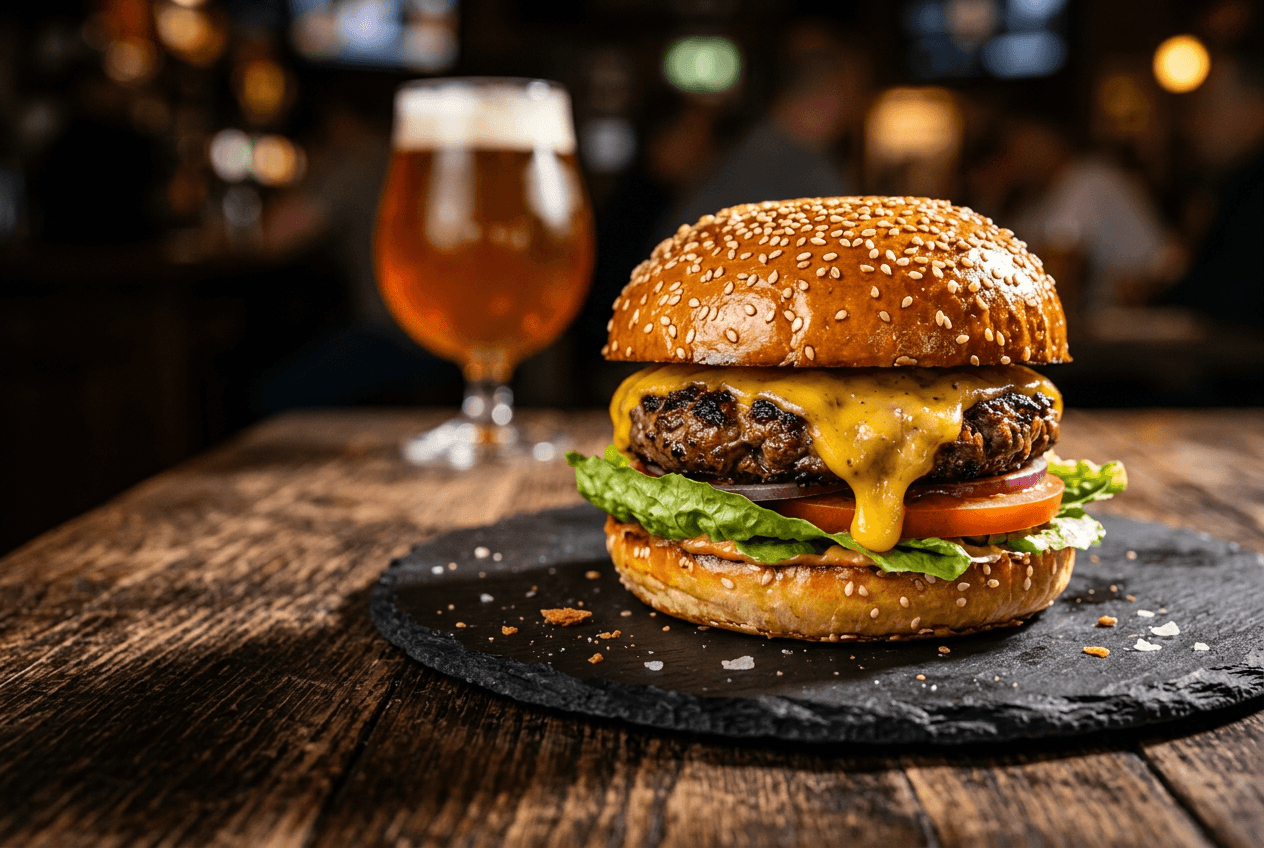 Professional food photo of a styled burger showing how quality photography drives social media engagement
A 2025 Deloitte Digital study found that 65% of consumers follow food and lifestyle topics on social media, and 41% specifically follow restaurant brands. They're looking at your digital content — so give them something worth sharing.
You don't need a $1,000 photo shoot for every menu update. FoodShot AI's food photo editor transforms any smartphone photo into menu-ready visuals in about 2 minutes — with style presets built for Instagram, Pinterest, delivery apps, and more. That's a fraction of what traditional photography costs.
Resources to help you create a strong visual foundation:
- How to take food photos with your phone — the basics
- Food styling guide — make dishes camera-ready
- Food delivery app photography — optimize for Uber Eats and DoorDash
- Restaurant marketing tools — the full digital toolkit
- Best food photography apps — edit and enhance on the go
Frequently Asked Questions
Which social media platform is best for a new restaurant?
Start with Instagram and Google Business Profile. Together they cover the widest audience with the best return on your time. Get those running consistently for 2–3 months, then add a third: TikTok for fast-casual, Pinterest for bakeries and cafes, or Facebook for community-driven spots.
How many social media platforms should a restaurant be on?
Two to three, done well. Posting consistently on 2 platforms always outperforms posting sporadically on 6. Master Instagram + Google Business Profile first, then add one that matches your audience. Scale up later once you've built a content rhythm.
How often should a restaurant post on social media?
Quick reference: Instagram 4–5x/week, TikTok 3–5x/week, Facebook 3–5x/week, Pinterest 5–10 pins/week, YouTube 1–2x/week, X 1–3x/day, Google Business Profile 1–2x/week. Consistency beats volume — three posts a week for a year outperforms a burst of ten followed by silence.
Is TikTok worth it for fine dining restaurants?
It can be, but the approach is different. Skip trendy audio and comedic videos. Focus on craftsmanship: plating techniques, ingredient sourcing, tasting menu prep, and behind-the-scenes artistry. Several Michelin-starred restaurants have built significant TikTok audiences with elegant, aspirational content that matches their brand.
Do restaurants need to be on every social media platform?
No. Being on every platform with mediocre content is worse than being on two with excellent content. Choose the platforms where your target customers spend time, invest your energy there, and create posts worth sharing. For more on building a focused digital strategy, see our complete social media marketing guide.