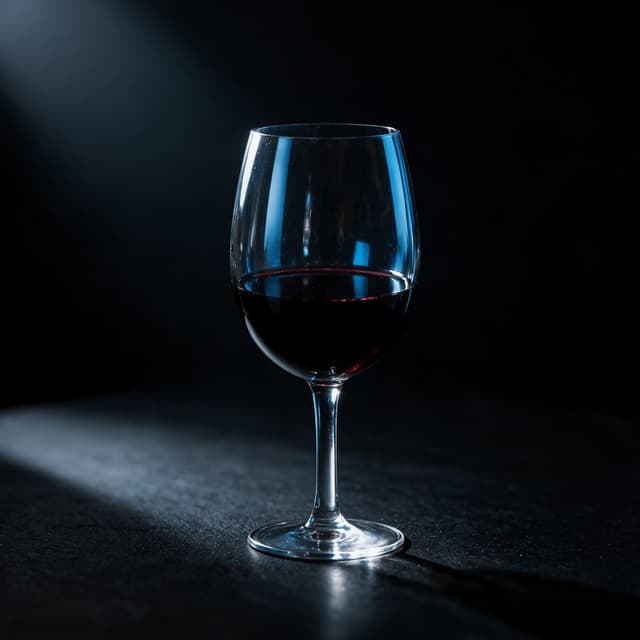
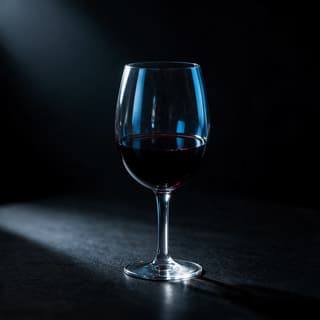
Single stemmed glass of deep garnet red wine on a dark surface, lit by a narrow beam against a black background
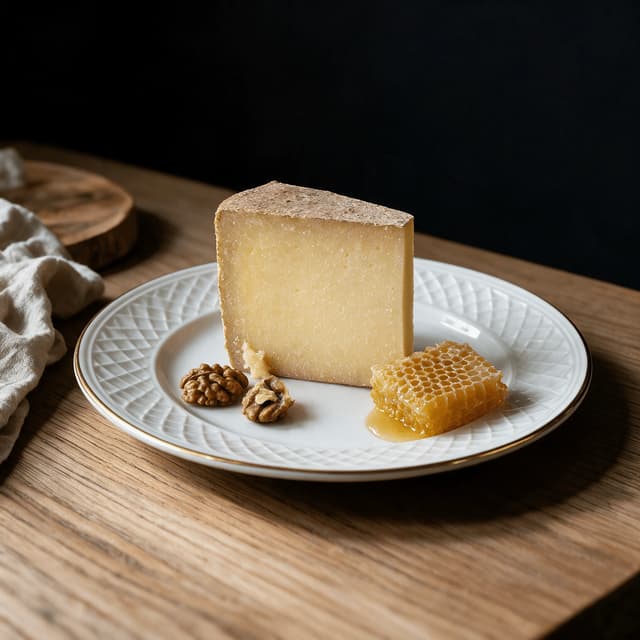
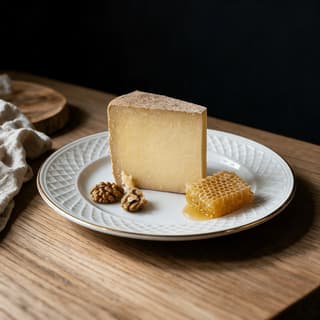
Wedge of aged alpine cheese with a piece of raw honeycomb and two walnut halves on a white rimmed plate on a light oak table
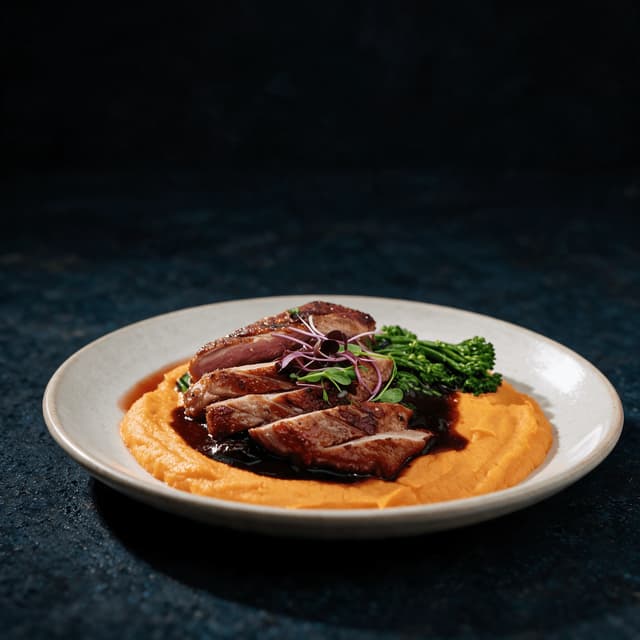
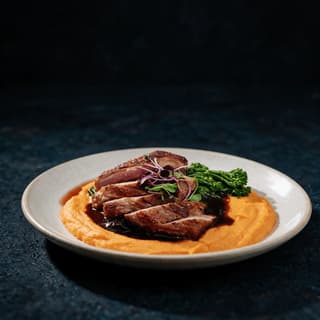
Sliced seared duck breast fanned over a dark cherry reduction and sweet potato purée on a pale rimmed plate under dramatic side light
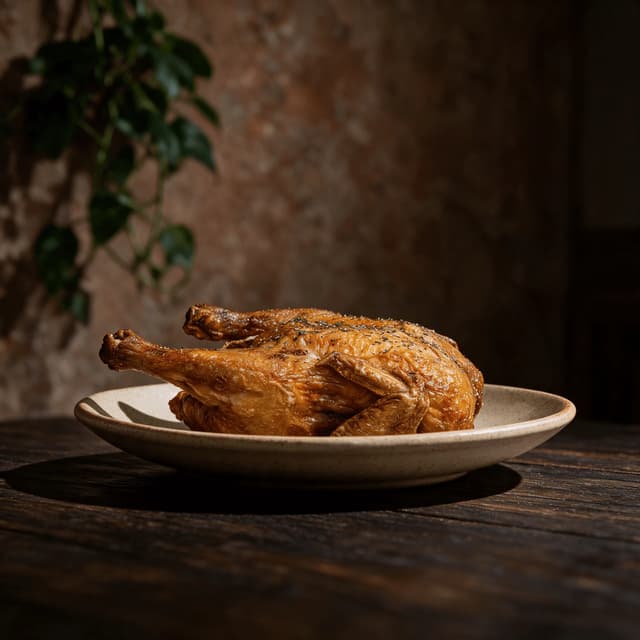
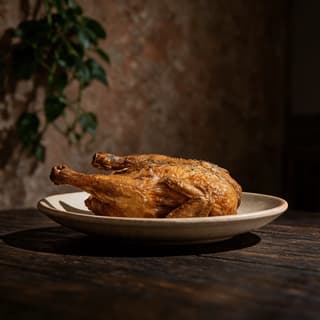
Whole roasted herb chicken with burnished golden skin on a pale rimmed plate on a dark wood table under warm low light
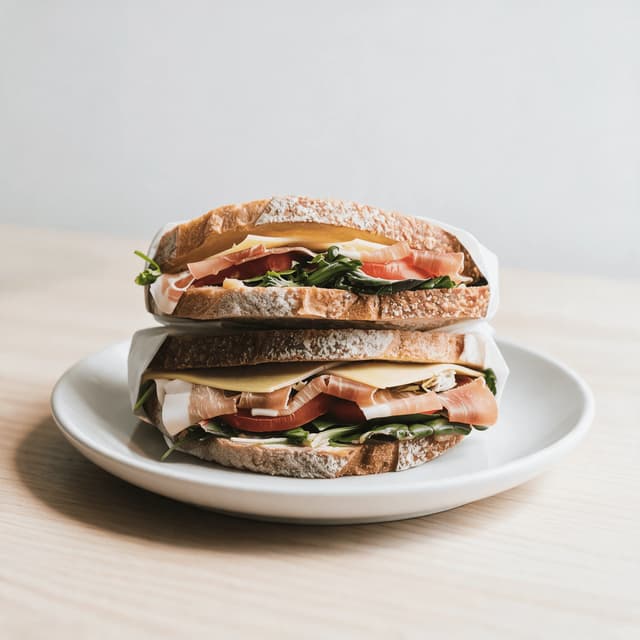
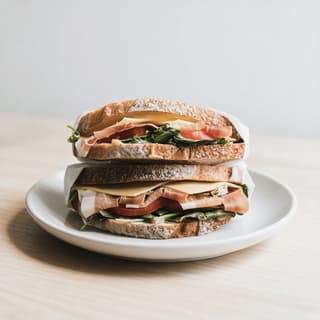
Crusty sourdough sandwich with prosciutto, cheese, tomato and rocket, cut and stacked in two halves on a white plate on a pale wood table
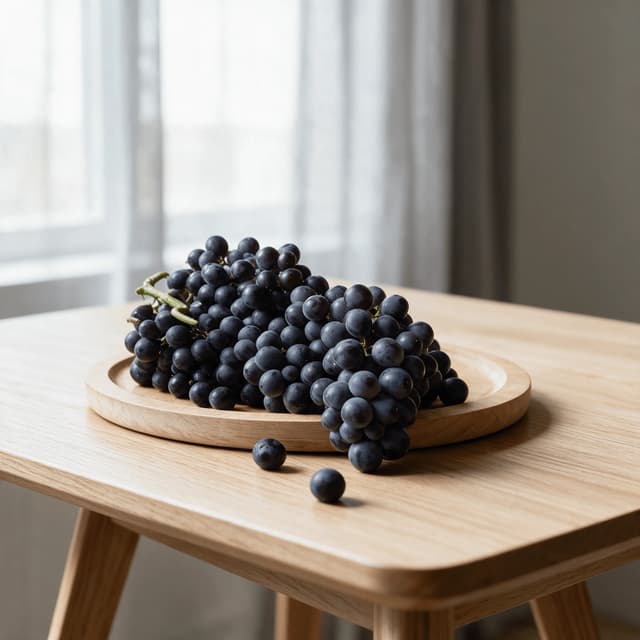
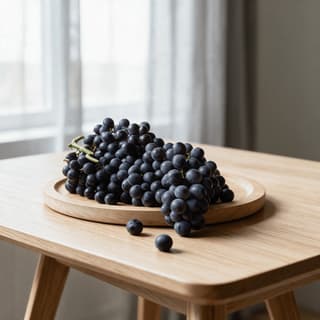
Cluster of deep purple wine grapes with dusty bloom on a shallow round wooden board on a pale oak table in soft window light
For Wineries, Tasting Rooms & Wine Clubs

Your club renewal starts with the photo.

Winery marketing runs on a calendar nobody has the budget to shoot: a club release in March, a vineyard dinner in June, crush in September, a gift shipper in November. Golden hour flatters the view and ruins the food, the tasting room sits two stops too dark, and a retained photographer is out of reach for a small estate. Run the estate on how it actually looks. Take one honest frame of the pour, the board or the pairing plate on your own phone, upload it, and get a release-email image back in about 90 seconds — the same house look on every pour, every season, from one phone.

Cancel anytime30,000+ food businesses

Trusted by teams on

DoorDashUber EatsGrubhubDeliverooJust EatWoltOpenTableYelpFoodpandaToast

Upload your wineries dish → Get menu-ready photos

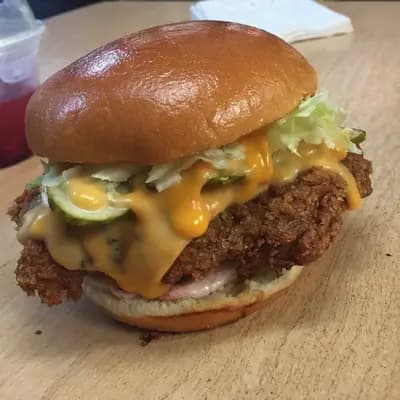
Original smartphone food photo before FoodShot AI enhancement
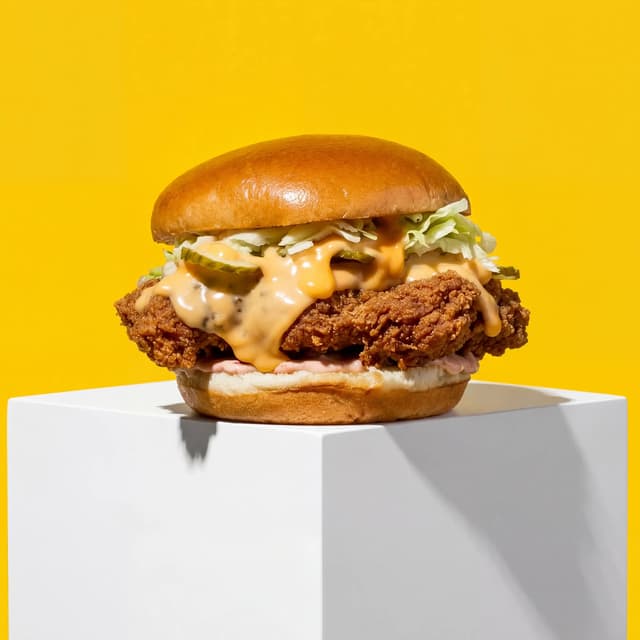
Studio-quality food photography generated by FoodShot AI
50,000+

Photos generated

95%

Cost savings

150s

Average time

Tasting Room & Wine Club Portfolio

Every pour, board and pairing the estate actually sells
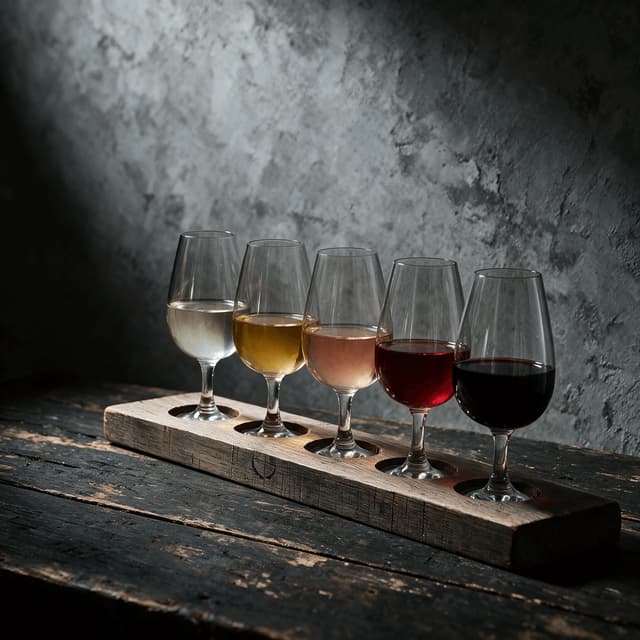
Flight of five stemmed glasses of white, rose and red wine standing in a wooden flight board on a dark wood counter

Tasting Room Pours and Flight Boards

Five glasses, one light, one house look
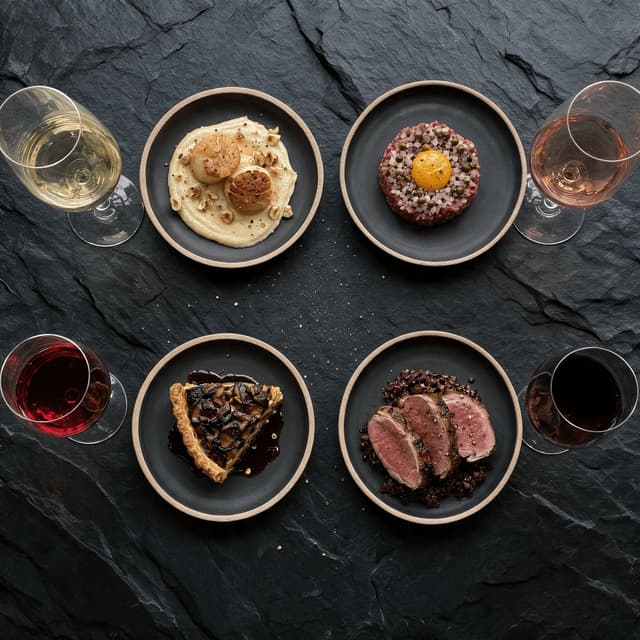
Four small food and wine pairing plates arranged with matching glasses shot from directly overhead on a dark slate surface

Food and Wine Pairing Plates

The plate and the pour in a single frame
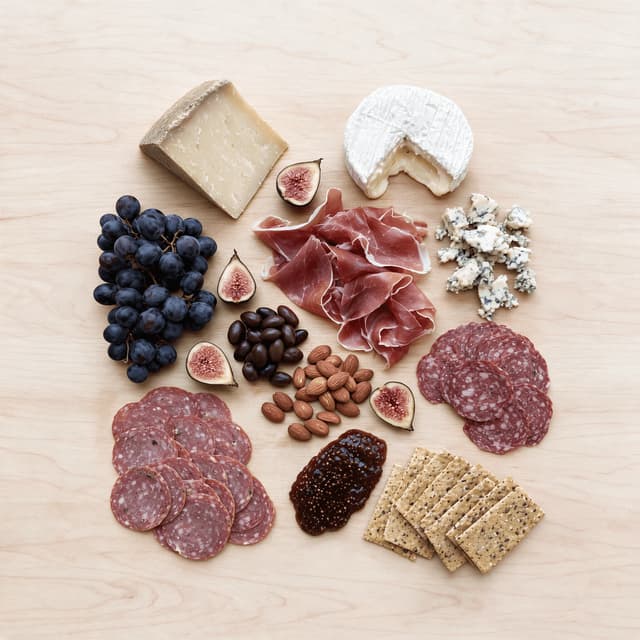
Large grazing board loaded with cheeses, cured meats, figs, grapes, olives and crackers shot from directly overhead on pale wood

Cheese and Charcuterie Tasting Boards

Grazing boards shot so every item reads
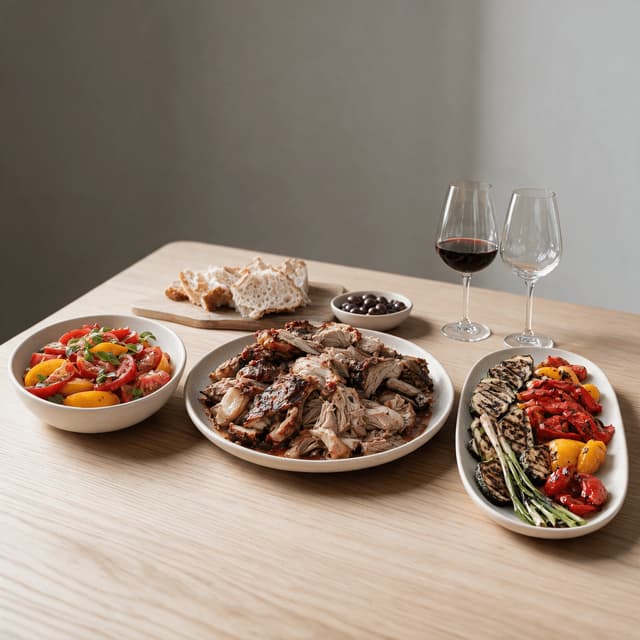
Sharing platters of carved roast meat, grilled vegetables and tomato salad with torn bread, olives and two wine glasses on a pale oak table

Vineyard Long-Table and Estate Dinners

Golden hour without the golden-hour cast
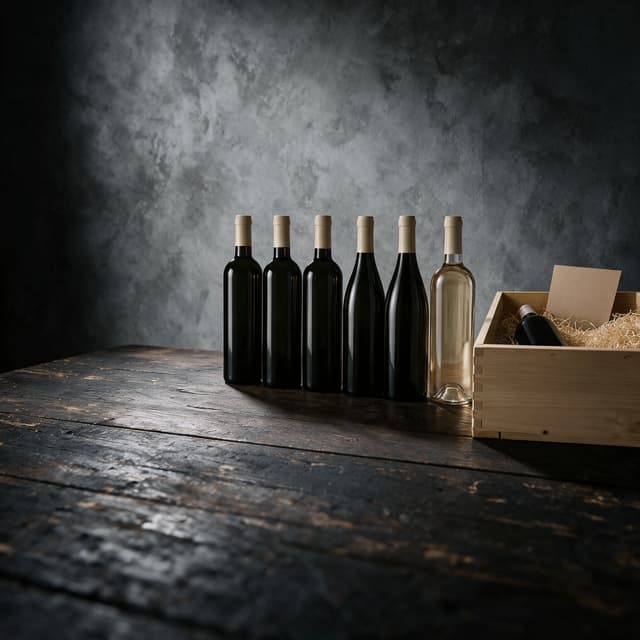
Row of six unlabelled dark glass wine bottles standing beside an open wooden shipping crate lined with straw on a dark wood surface

Club Release Line-Ups and Shippers

Reflective bottles without the blown highlights
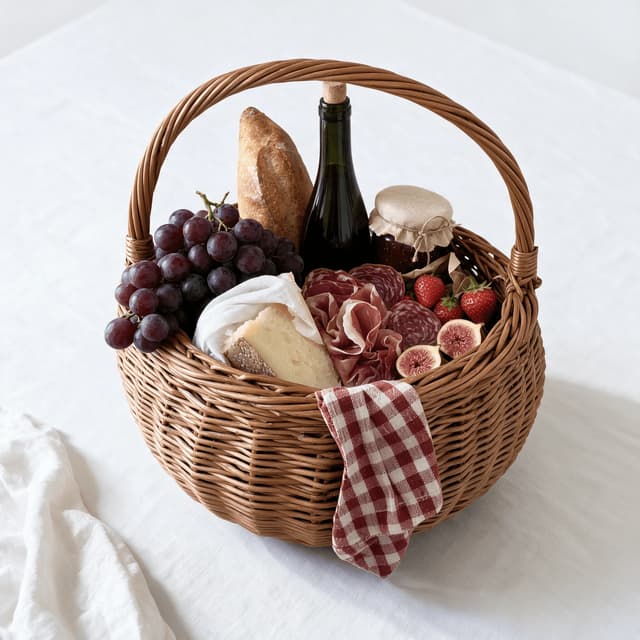
Wicker picnic basket packed with a baguette, an unlabelled wine bottle, cheese, cured meats, grapes, figs and a checked cloth on a clean white surface

Picnic Hampers and To-Go Experiences

The whole hamper, opened and legible
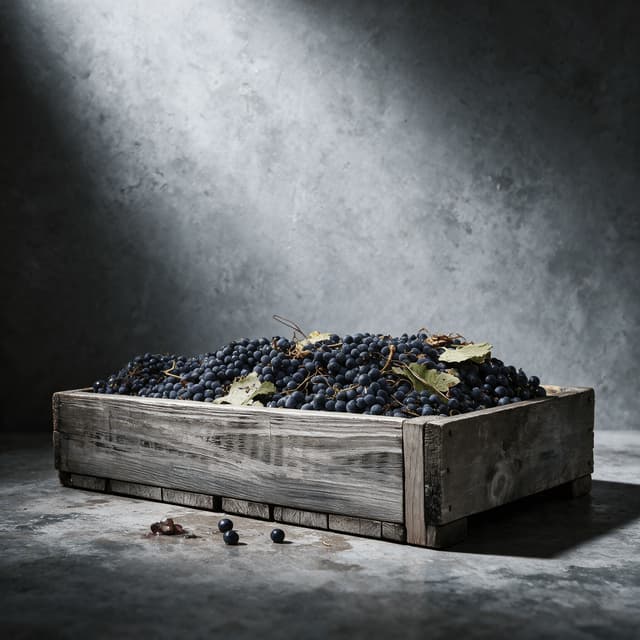
A single weathered timber picking crate heaped with bloomed dark wine grapes, dry vine leaves and spilled berries on a grey concrete crush pad

Harvest, Crush and Cellar Storytelling

Crush-pad and cellar frames that hold up

Features

Built for a calendar that runs release to release

Winery Styles

Light that survives a dim tasting room

100+ curated styles built for the way estate hospitality actually gets photographed — at a cellar-door counter under warm dim bulbs, on a crush pad in flat grey light, or at a vineyard table at the exact hour that flatters the view and ruins the food. Dark glass and low-key cellar looks for pours and flights, where a reflective bowl needs a feathered back-light to glow rather than a hard highlight that clips to white. Bright marble and pale wood for pairing boards and hampers, where a wedge of pale cheese and a dark salami have to sit in the same frame without one blowing out and the other going black. Cool documentary greys for harvest and crush, so the bloom on the fruit reads as a dusty matte veil instead of a smear. Everything stays premium but approachable — estate hospitality, not austere fine dining. If you want wine as a photographic subject in its own right, our wine photography page covers that; if you also pour beer at the cellar door, the breweries and taprooms page is written for that trade.

Explore styles

Builder Mode

Surface plus vessel plus pour equals a release set

Pick a surface — an aged oak barrel head, a white marble pairing counter, a weathered trestle plank, raw grey crush-pad concrete. Choose a vessel — a stemmed tasting glass, a charcoal pairing plate, a broad grazing board, an open wicker hamper. Upload the photo you took at the counter. Builder Mode composites all three into one cohesive image, so the card reader, the spit bucket, the blue crate of empties and the back of somebody's head never make it into the frame. That is the whole problem with a working tasting room: the pour is beautiful and the eighteen inches around it are a service bar. It is also what turns a camera roll into winery marketing — every pour on the same surface, at the same scale, in the same light, so a visitor scrolling your feed sees an estate rather than thirty unrelated snapshots. If you also sell packaged bottles off-premise, our liquor stores page covers retail shelf and listing imagery.

Try Builder Mode

My Styles

One house look across every wine club release

Upload your best-looking pour as a style reference. Every image you shoot afterwards — the March release line-up, the June long-table dinner, the September crush post, the November gift shipper — automatically inherits that surface, that light and that colour treatment. This is the single highest-leverage thing a small estate can do, because wine club marketing is a renewal business and the renewal is decided by the release email. A member who opens six emails a year and sees six different-looking estates quietly stops believing there is an estate. A member who sees the same light on the same barrel head every quarter is looking at a brand. Save one style and hand it to whoever is on shift — the tasting-room lead shooting a board on a Tuesday produces the same image as the DTC manager shooting a shipper on a Friday. If you also make spirits on site, our distilleries page covers that side of the operation.

Match your brand

More to explore

One tool, endless possibilities

Before → After

From phone snap to studio shot

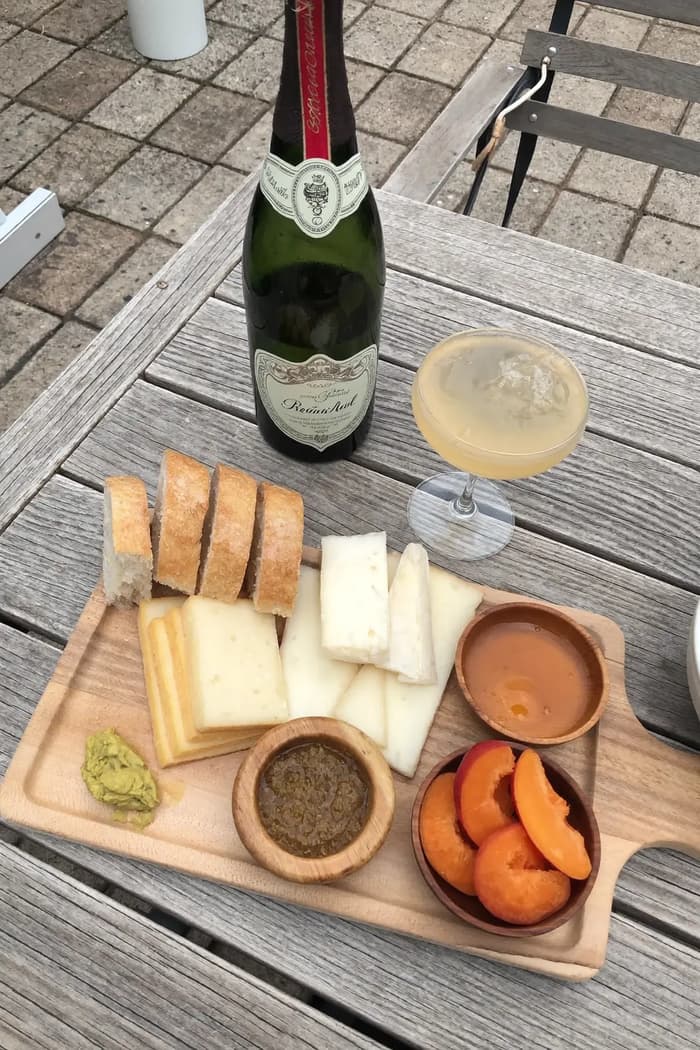
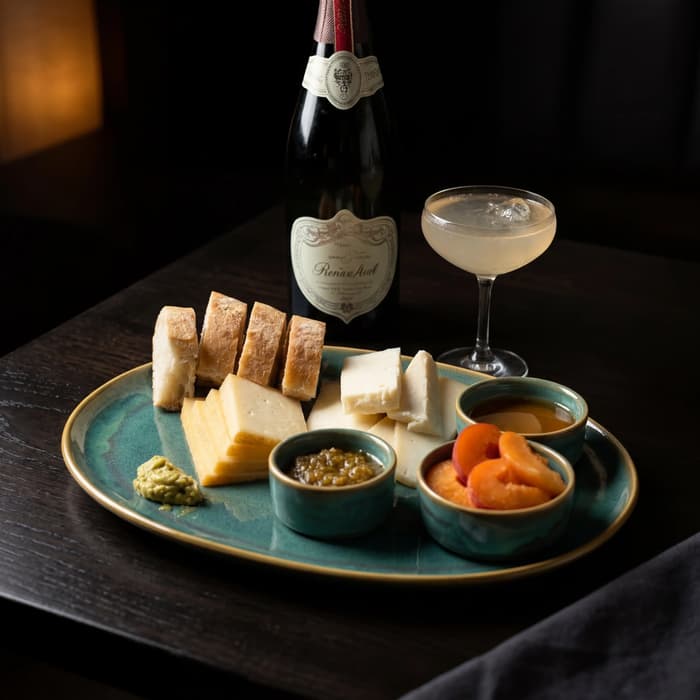
See the transformation. Same food, completely different result.

Raw phone food photo before AI enhancement
Studio quality food photo after FoodShot processing

Multi-variation

One photo, endless options

Generate multiple styles from a single upload. Pick the best.
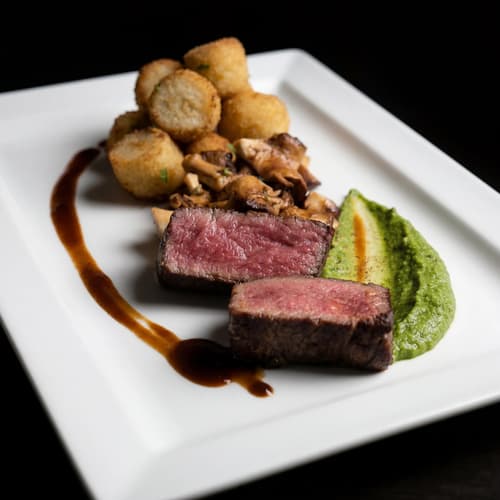
Food photo variation - delivery app style
Food photo variation - restaurant menu style
Food photo variation - social media style
Food photo variation - fine dining style

Poster Mode

Marketing-ready designs

Pick a template, drop your food.
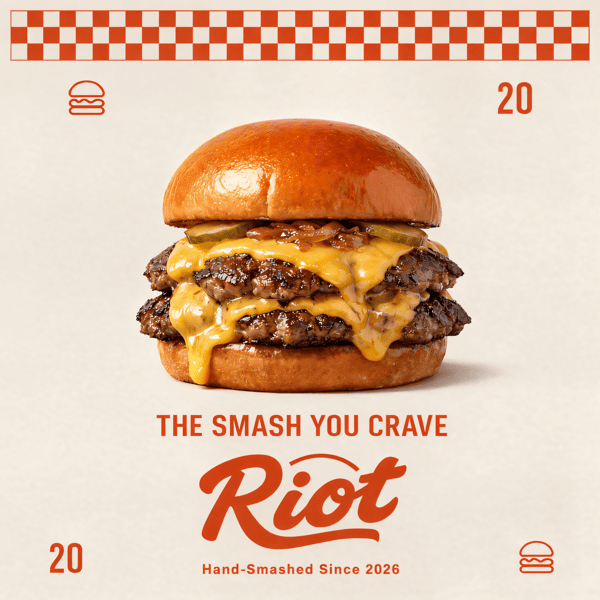
Smash burger restaurant poster design
Cocktail bar promotional poster
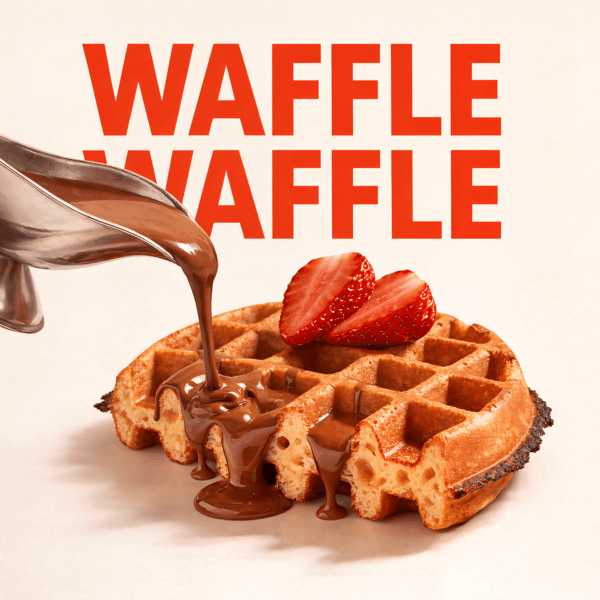
Waffle social media advertisement
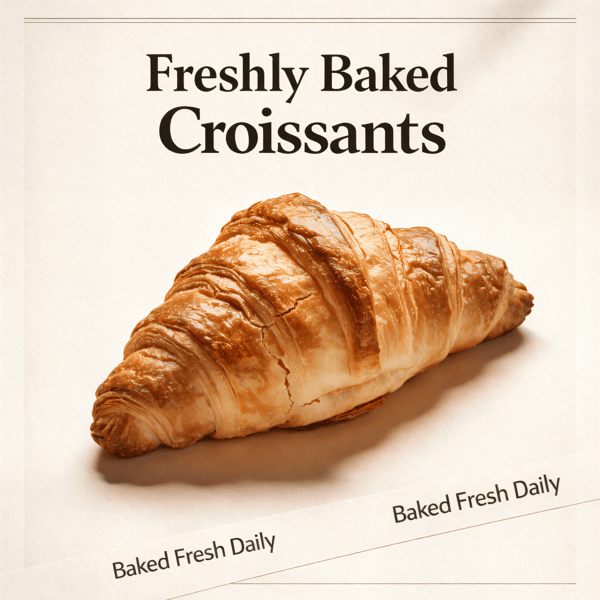
Croissant bakery marketing poster

Prompt Editing

Describe it, get it

Add sauce, swap plates, change lighting — just type what you want.
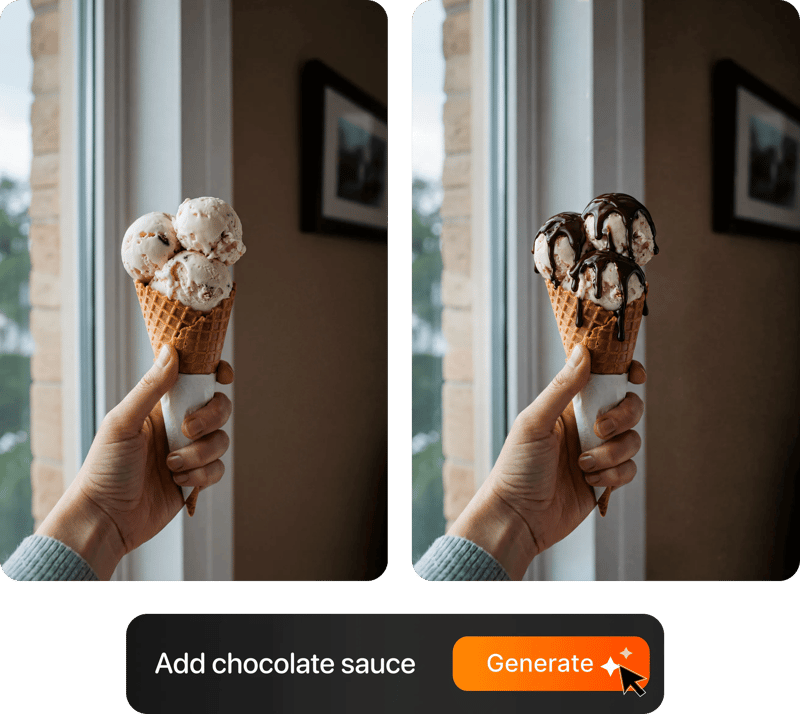
Prompt-based food photo editing

200+ Styles

Styles for every vibe

From clean white to moody fine dining. One tap.
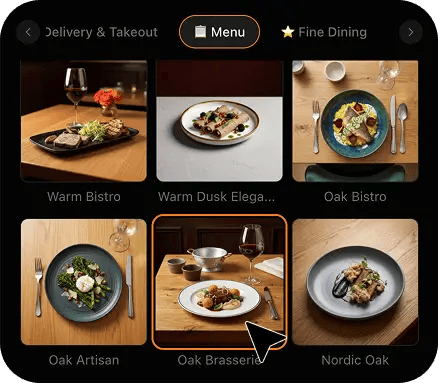
FoodShot 200+ food photography style presets grid

4K Resolution

Ultra-high resolution output

Up to 4K resolution output. Print-ready quality for menus, billboards, and packaging — no upscaling needed.

4K

Perfect For

Every kind of estate selling a visit, a bottle and a club

From a two-person family estate that opens the cellar door on weekends to a mid-size winery running a quarterly club, a food-and-wine programme and a vineyard dinner series, the problem is identical: a photo-hungry seasonal calendar, a dim tasting room, reflective glass, and no budget for a photographer at every release.

🍇

Small Family Estates

You make four wines and you have decent photos of maybe one, taken the year you opened. Pour a glass at the cellar door between visitors, shoot one honest frame on the counter, and get back an image where the wine glows instead of going black — the pour a guest actually sees, not the muddy version your phone recorded under warm bulbs.

🥂

Tasting Rooms & Cellar Doors

A flight is the hardest thing in this trade to photograph well: five glasses, five different colours, one dim room, and any hard light turns the crystal into a row of white stripes. Restyling puts a feathered back-light behind every bowl at the same intensity, so a flight board finally reads as a set rather than five separate photographs stitched together.

📦

Wine Clubs & DTC Programmes

Your renewal rate is decided by the images in four release emails a year. A line-up of bottles shot on a phone reads as inventory; the same bottles with controlled highlights and a lined shipper read as an allocation worth keeping. Shoot the release once, run it through your saved style, and the email, the landing page and the pack-in card all match.

🧀

Food & Wine Experience Venues

Pairing plates and grazing boards are your highest-margin booking and your worst-photographed product, because they get shot at the table in whatever light the room has. Bring the board back to a clean surface for thirty seconds, take one overhead frame, and every cheese, fold of charcuterie and fig on it stays separately legible at thumbnail size.

🏙️

Urban Wineries & Micro-Producers

You crush in a warehouse bay and pour in a converted unit, so there is no golden vineyard behind anything you shoot. That is fine — the surface and the backdrop get supplied afterwards. A working concrete floor and a stainless hopper become a deliberate cool documentary frame rather than something you have to crop out or apologise for.

🌾

Vineyard Dinner & Event Programmes

Long-table dinners sell out on last year's photos, and last year's photos were taken at golden hour, which turned the lamb orange and the salad grey. Shoot the platters as they land, in whatever light is there, and get back a table where the crust, the char and the tomatoes read in true colour — the meal guests remember, not the one the sunset invented.

Reviews

Loved by food businesses

FoodShot AI changed my life as a Pastry Chef. Designing menus and plating used to be so time-consuming. Now I upload mockups and the AI does it all!
App Store

Happy Girl Pastry Chef

App Store

Great for small business! The app is easy to use. Smooth and professional results. Multiple background/settings/styles to choose. Highly recommend!
App Store

Trangbi89

App Store

This app helped me enhance my food photoshoot. Thanks to this app, I can now create pro-quality photos for my Menu.
App Store

Lalalisaoh

App Store

Excellent

Fabio Lima

Google Play

Great

Iván Fabricio Amador Pavón

Google Play

Cool

Darut Thollab

Google Play

For marketing and advertising we can use it as an enhancement. Really solid tool.

Reddit User

r/restaurantowners

Oohhh woowwww... Seriously amazing. The quality blew me away.

Remarkable-92

r/restaurantowners

FoodShot AI changed my life as a Pastry Chef. Designing menus and plating used to be so time-consuming. Now I upload mockups and the AI does it all!
App Store

Happy Girl Pastry Chef

App Store

Great for small business! The app is easy to use. Smooth and professional results. Multiple background/settings/styles to choose. Highly recommend!
App Store

Trangbi89

App Store

This app helped me enhance my food photoshoot. Thanks to this app, I can now create pro-quality photos for my Menu.
App Store

Lalalisaoh

App Store

Excellent

Fabio Lima

Google Play

Great

Iván Fabricio Amador Pavón

Google Play

Cool

Darut Thollab

Google Play

For marketing and advertising we can use it as an enhancement. Really solid tool.

Reddit User

r/restaurantowners

Oohhh woowwww... Seriously amazing. The quality blew me away.

Remarkable-92

r/restaurantowners

FAQ

Winery & Tasting Room Photography FAQ

Common questions about shooting reflective glass in a dim tasting room, keeping a whole club release consistent, and building a year of estate imagery without a retained photographer.

hello@foodshot.ai

FoodShot AI is a powerful, AI-driven content creation platform that helps you create high-quality food photography for menus, social media marketing, and promotional materials with ease. Transform any food photo into professional-grade visuals in seconds.

It's simple! Upload a photo of your food, choose your desired style (menu photography or social media format), and click generate. For poster creation, select from our professional templates, add your text, and create marketing-ready content instantly.

Yes! Download our mobile app from the App Store to create stunning dish photos on the go. Access all features directly from your iOS device.

Yes! FoodShot AI is now available on Android. You can download it from Google Play and start creating professional food photos directly from your Android device.

With paid plans, you own full commercial rights to all generated images. Use them for your restaurant, marketing campaigns, social media, or any commercial purpose without restrictions. Free plan images include watermarks and are for personal use only.

Yes! For bulk processing needs, please email us at hello@foodshot.ai for our Enterprise plan options.

Yes, subscriptions renew month-to-month. To cancel, open Settings, click Manage subscription and choose Cancel subscription — fully self-serve, takes under a minute. Your plan stays active until the end of the billing period.

Yes, plan changes take effect immediately. You can upgrade or downgrade directly from your account dashboard. The new pricing will be adjusted for your current billing cycle.

We offer a full refund if you haven't used any credits in your current billing period. Refund requests must be made within 7 days of payment. Previous billing periods are non-refundable. Simply contact us at hello@foodshot.ai if you're not satisfied.

No, unused credits do not roll over to the next month. This applies to both monthly and yearly plans. Credits refresh every month regardless of your billing plan.

Yes! With our custom photography feature, you can upload your own reference images to create consistent branded content. Upload your restaurant's signature background, plating style, or any reference photo, and FoodShot AI will generate new images matching that exact style.

Absolutely! Once you upload a custom background or reference template, you can use it for all your future generations. This is perfect for maintaining consistent branding across all your food photography. Save your favorite backgrounds and create a cohesive visual identity for your restaurant.

FoodShot AI supports all major image formats including JPG, PNG, WEBP, and HEIC. For best results, we recommend using high-quality images with good lighting. The AI will analyze your reference and apply the same style, lighting, and composition to your food photos.

Yes! You can upload your own poster designs and templates. Whether it's your restaurant's branded template or a custom design, simply upload it and FoodShot AI will intelligently place your food photos while preserving your design elements, logos, and text.

All paid plans include unlimited custom template uploads. You can build an entire library of your brand's templates, backgrounds, and reference styles. Free plan users can try the feature with our pre-made templates.

No. FoodShot never sends a photographer, never runs an on-site or studio shoot, never designs or prints labels, menus or shipper cards, and never cooks, plates or fabricates anything for you. It restyles photos you take yourself. You pour the real wine you actually sell, plate the real pairing your kitchen actually serves, take a phone photo of it on your own counter, upload that photo, and FoodShot re-lights and re-stages that exact image — the same pour, the same board, the same estate. What changes is the light, the surface underneath and the background behind. What does not change is the product: if your rose is a pale onion-skin salmon rather than a bright pink, it stays a pale onion-skin salmon. That matters commercially as well as ethically, because a club member opens the shipper four days after they saw the email, and an estate that posts a pour it does not actually make gets found out on the first bottle.

Almost always, yes — and it is the normal case rather than the exception. Nearly every cellar door in the world is lit two or three stops under what a camera wants, with warm bulbs that push everything toward amber, and that is precisely the input this is built to take. What matters in the frame you capture is not the lighting, it is the information: hold the phone still, get the pour or the plate in focus, fill a reasonable part of the frame, and do not shoot into a window behind the subject. The colour cast, the muddy shadows and the flat dim wall behind are all things the restyle replaces. What it cannot recover is a photo that is genuinely out of focus or one where the subject is a small blur in the corner of a wide shot, so the single most useful habit is to step closer than feels natural. One steady frame from eighteen inches away in bad orange light beats a beautifully composed shot taken from across the room.

This is the specific reason wine is harder to photograph than almost any food. Glass does not have a surface that light lands on the way a plate of food does — it either transmits light, bends it, or throws a hard mirror highlight straight back at the lens, which is why a phone flash turns a bottle into a black shape with a white scar down it. The styles written for this trade solve it the way a product photographer does: light the bottle or the bowl from behind and to the side with a broad feathered source, so the glass reads as a long controlled gradient down one flank and a softer wrapped edge on the other, and the wine inside glows rather than going opaque. For your own capture, the practical rule is to turn the flash off and never use it on glass, put the subject between yourself and whatever the brightest thing in the room is, and take the frame. The restyle supplies the rest.

Yes, and doing it in one sitting is actually better than spreading it out. The reason club releases usually look inconsistent is that the bottles get photographed as they become available — one in the cellar in March, two on a desk in April, the last three the night before the email goes out. Different rooms, different light, different times of day, and no amount of care afterwards makes them look like one allocation. Instead, put the whole release on one surface on one afternoon, shoot each bottle and each pour from roughly the same distance and angle, and take three frames of each. That is twenty minutes of actual work. Then run every frame through the same saved style. Because the surface, the backdrop and the lighting are supplied afterwards rather than captured, the set comes back looking like a single planned session — which is what makes a release email read as an allocation rather than a stock list.

Shoot it anyway, and stop treating the light as the point. Golden hour is genuinely beautiful on a landscape and genuinely hostile to food: the low warm sun pushes everything two steps toward orange, so lamb goes ruddy, tomatoes go brown, salad leaves go grey-khaki, and white ceramic turns the colour of weak tea. It also throws long hard shadows across a table that hide half of what is on it. The frame you actually want is the boring one — platters shot as they land, from a low angle down the table, with the sun behind you or off to one side rather than behind the food. Do not wait for the light and do not chase the view. The restyle replaces the cast with a colour-true directional key so the crust, the char and the fruit read as they did on the plate, and it keeps the soft green blur of the vine rows behind as context rather than as the subject.

Probably not, and it is worth being clear about the difference because the imagery a business needs follows what it actually sells. This page is written for the winery as a hospitality and direct-to-consumer business: an estate with a tasting room, a club, a food-and-wine programme and a harvest. The photography problems here are cellar-door pours, pairing plates, quarterly release line-ups and vineyard dinners. If you run an on-premise wine bar or lounge where the drink is served to a seated guest, the bars and lounges page is written for that service. If you sell packaged bottles off-premise for people to take home, the liquor stores page covers shelf, listing and delivery-platform imagery. If you distil spirits or brew beer, the distilleries and the breweries and taprooms pages cover those productions. And if you simply want wine treated as a photographic subject on its own terms, the wine page in our food types section is the one you want.

Your next release deserves better photos.

Join 10,000+ estates, tasting rooms and wine clubs turning quick phone shots into release-ready images in about 90 seconds.

Start Creating
Cancel anytimeFull commercial licenseStudio-quality results