Food Influencer Marketing: A Restaurant Owner's Guide (2026)
 Ali Tanis20 min read
A good food influencer can pack your Friday service. A bad one can burn $2,000 and leave you wondering where your reservations went. The difference usually comes down to three decisions most restaurant owners make in the first five minutes — and get wrong.
This guide fixes that. It's written for operators, not agencies: how to pick the right creator, what to pay them in 2026, how to prep your restaurant for the visit, and how to actually measure whether it worked. Plus one uncomfortable truth nobody talks about: the moment a food influencer tags you, viewers don't just look at their post. They click your profile. And if your own photos look amateur, you lose the sale before they even check the menu.
Quick Summary: Food influencer marketing works when you match the right creator tier to the right goal, pay fair 2026 rates ($0 comp to $5,000+ depending on reach), prep your dishes and lighting for content, track with unique promo codes, and — critically — keep your own food photography at studio quality so the traffic they send actually converts.
What a food influencer actually is (and why restaurants can't ignore them in 2026)
A food influencer is a creator whose audience trusts them to decide what's worth eating. That's it. The follower count is secondary to the trust.
Three numbers tell you why this matters right now. According to the 2026 GlobalWebIndex Advertising Trust Study, consumer trust in influencer-delivered brand messaging sits at 72%, while trust in traditional advertising has dropped to 81% and continues to fall — a gap that's widened 9 points since 2023. Cropink's 2026 restaurant social media data shows 74% of diners now use social media to decide where to eat, and 40% specifically base their restaurant choice on influencer reviews. And 57% of reservations are now influenced by social content before the booking is made.
Food and beverage is also the single highest-performing category for influencer marketing, according to Matter Communications' consumer study — ahead of beauty, fashion, and tech. The Influencer Marketing Hub's 2026 Benchmark Report projects $6.1 billion in global food and beverage influencer spend this year alone, with some creators like Mark Wiens pulling in millions of YouTube subscribers and turning restaurant visits into destination events.
Here's the practical takeaway: you're not choosing whether to participate in this channel. Your neighbors already are. The question is whether you participate deliberately — with a clear playbook — or hand out free meals to random TikTokkers and hope.
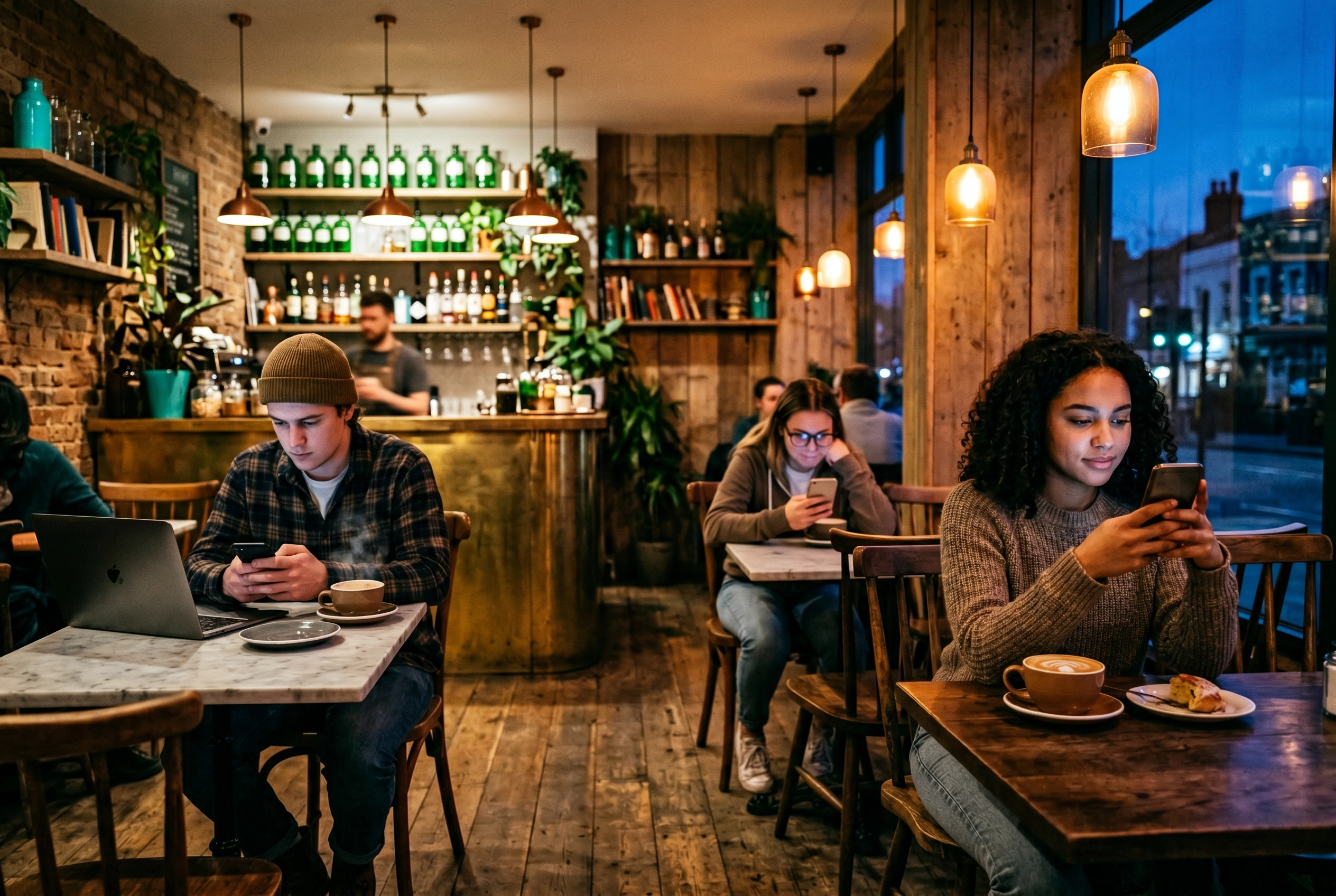 Diners at a cozy cafe browsing social media on their phones to decide where to eat next
The four types of food influencers (and which one fits your restaurant)
Pick the wrong tier and you'll overpay or underwhelm. The tiers used by agencies in 2026:
Nano influencers (under 10,000 followers)
Nano creators are your neighbors with a phone. They live in your ZIP code, they already eat out twice a week, and they have 1,200 loyal followers who trust them more than any magazine. TikTok nanos in the food niche average 8–12% engagement, and some hit 15%. Instagram nanos typically sit between 3.5–8%.
For a single-location neighborhood restaurant, this is usually where you start. Most will accept a comped meal for two plus a small stipend ($25–$150), and the ROI is often excellent because their audience is right there. The downside is scale — one post won't fill your weekend. You need a portfolio of them.
Micro influencers (10,000–100,000 followers)
The sweet spot for most independent restaurants. Micro creators treat this as semi-professional work, so expect a real contract and real fees, but their engagement is still strong (typically 2–5% on Instagram, 6–9% on TikTok in the food niche) and their audience is wide enough to move reservation needles.
Typical 2026 rates: $100–$1,500 per deliverable, with premium micros in major markets charging up to $5,000 for a high-engagement Reel plus usage rights. A good micro campaign for a local restaurant often lands around $300–$800 plus a comped tasting.
Macro influencers (100,000–1 million followers)
Macro creators are useful for three things: opening a new location, launching a concept with national ambition, or riding on a destination-dining moment (think Michelin announcement, a viral menu item, a cookbook tie-in). Expect agents, formal contracts, and per-post rates of $1,000–$20,000. Most independent operators don't need this tier. Regional chains and hotel F&B programs often do.
Local food critics and aggregator accounts
These deserve their own category. Accounts like city-specific food pages and well-known local critics usually operate more like editorial than advertising — many have a strict no-comp policy to preserve credibility. You can't really "hire" them in the traditional sense. You can invite them, feed them well, and hope they choose to cover you. Pitching them like a marketing channel backfires fast.
Follower counts shift — 2026's nano is 2023's micro. What doesn't shift is the logic: the smaller the audience, the higher the trust per follower. The larger the audience, the broader the reach per dollar. Most restaurants win by mixing tiers rather than picking one.
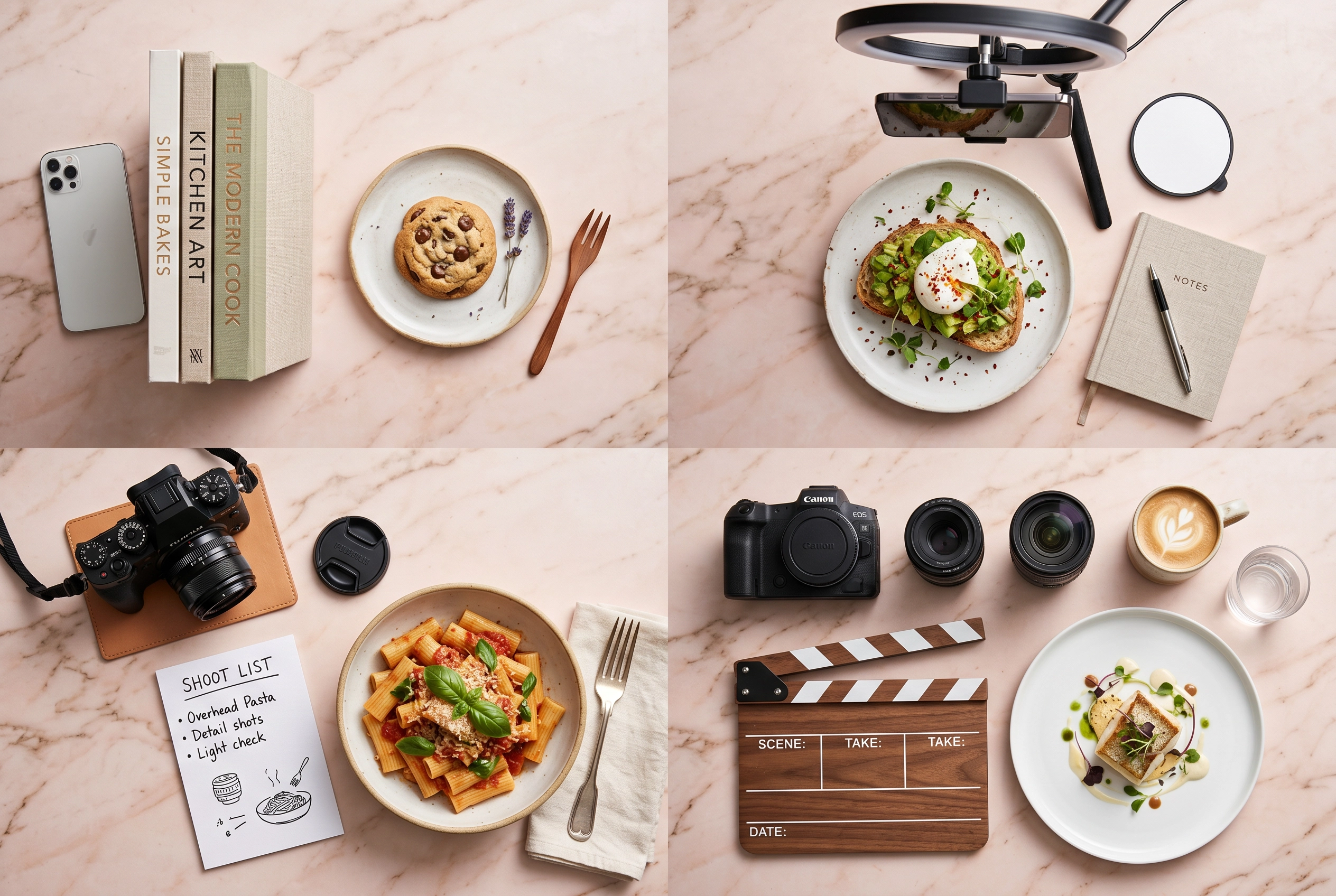 Overhead flat-lay comparing four tiers of food creator setups from nano to macro influencer scale
How to find the right food influencers for your restaurant
Finding creators is the easy part. Vetting them separates good campaigns from expensive mistakes.
Start with platforms that match your audience. TikTok over-indexes on diners under 35 and drives discovery. Instagram remains the home of reservation-decision content — Reels, Stories, and grid posts. YouTube works for chef-driven or destination restaurants with long-form storytelling and products-focused reviews, but rarely for neighborhood spots. Pick one primary platform; don't spread thin.
Use geo-tagged hashtag searches. Try combinations like #[yourcity]foodie, #[yourcity]eats, #[neighborhood]restaurants, plus cuisine-specific tags (#[city]pizza, #[city]ramen). Scroll the top posts for the last 30 days, not the all-time list — recency matters because dead accounts outrank active ones on old tags.
Mine your competitors. Go to the Instagram profile of a successful restaurant two blocks away. Tap "Tagged." You've just found every local creator who works with that concept. Do the same on TikTok by searching the restaurant's name.
Check the aggregator accounts. Most cities have 1–3 big food pages with 50K–500K followers that repost local creators. Their tagged feed is a curated list of active food creators in your market.
Vet with the engagement math. Add likes and comments from their last 10 non-sponsored posts, divide by followers, multiply by 100. Compare to 2026 benchmarks:
- Nano on Instagram: 3.5–8% is healthy
- Micro on Instagram: 2–5% is healthy
- Nano on TikTok: 8–12% is healthy
- Micro on TikTok: 6–9% is healthy
- Anything below 1% regardless of tier: likely bought followers or a dead account
Read the comments. Real followers leave real sentences. Bots leave emojis, generic fire symbols, and one-word replies. If the comment section reads like an auto-generator, the engagement rate is meaningless.
Confirm the audience actually lives near you. A creator with 40,000 followers is useless if 80% of them are in another state. Most creators will share their audience demographics if you ask directly. If they refuse, move on.
Approaching and negotiating with food influencers
The reach-out is where most restaurant owners torch the relationship before it starts. A few principles that work in 2026:
Go where they live. Nano and micro creators are fine with a DM — most actually prefer it. Macro creators usually have a bio email or a management contact. Treating a nano like a macro (formal pitch email) feels sterile; treating a macro like a nano (casual DM) feels unprofessional.
Lead with something specific you saw. The difference between a reply and a read-without-response is often a single sentence that proves you're not sending this to 50 people. "Saw your review of [restaurant X] last week — the B-roll of them pulling the cheese was perfect" beats any version of "Love your content!"
Be concrete about the ask. Don't say "let's collaborate." Say "we'd love to comp dinner for two and $200 in exchange for 1 Reel and 3 Stories, posted within 10 days, tagged and geotagged, with usage rights for us to repost." Specificity gets a yes or no quickly. Vagueness gets ghosted.
A DM template that gets replies
Hi [name] — [your restaurant] here. Your [specific piece of their content] was excellent; the way you shot [specific detail] is exactly the kind of storytelling we'd love to work with.
We'd like to invite you in for a tasting for two — on the house — and discuss a paid partnership around our new [menu/season/concept]. For a ballpark, we have $[X] available for this collaboration in exchange for [specific deliverables] with posting in the next 2–3 weeks.
If this sounds interesting, what's your current rate card and availability? Happy to send a calendar link.
Real 2026 rate expectations
Here's what restaurants are actually paying this year, based on cross-referenced data from Collabstr, Influee, Shopify's 2026 Influencer Pricing report, and Influencer Marketing Hub benchmarks:
- Nano (1K–10K): Comp meal plus $0–$250 per post; $50–$300 for an Instagram Reel
- Micro (10K–100K): $100–$1,500 per post, with most restaurant deals landing $200–$800 plus comp
- Macro (100K–1M): $1,000–$20,000 per post
- Mega (1M+): $5,000–$500,000+ (national chains only)
The industry average for a food and beverage sponsored post sits at $190, per Collabstr's 2026 data — a useful anchor when a nano quotes you $800. YouTube creators generally charge 2–3 times the equivalent Instagram rate because their videos demand more production time.
Comp versus paid versus hybrid. The most common 2026 structure is hybrid: comp the meal, pay a production fee. Comp-only works for true nanos and for new creators building portfolios. Paid-only signals a more transactional relationship and is fine for straightforward deliverables. If an influencer asks for comp-only plus a flat fee over $500, you're essentially paying twice — that's fine as long as you know you are.
FTC compliance is your problem too. This is the part most restaurant guides skip. Under the FTC's Endorsement Guides, any material connection — a free meal, a gift card, cash, a comped hotel stay for a chef collab — requires clear and conspicuous disclosure by the influencer. "#ad," "#sponsored," or "#partner" must appear at the start of the caption, not buried in the hashtag stack. Here's the part restaurants often miss: brands can be held liable if they fail to instruct, monitor, or correct non-compliance, with civil penalties up to $50,120 per violation. Put disclosure requirements in writing in the DM or contract. Screenshot it. Done.
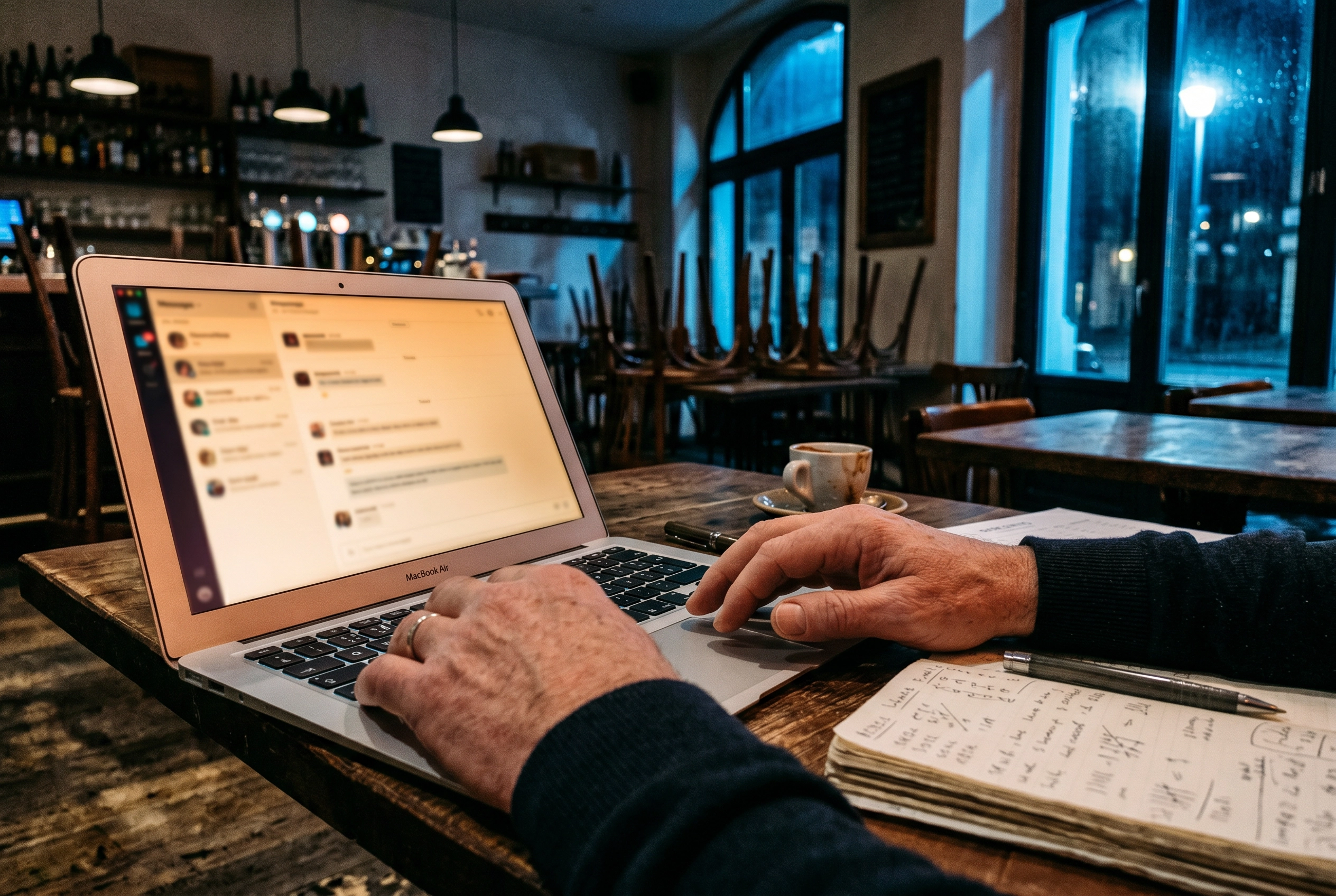 Restaurant owner reviewing food influencer outreach messages on a laptop after service hours
Getting the most out of an influencer visit
You're not hosting a customer; you're hosting a production. The prep is minimal, but skipping it is how you end up with a well-paid post featuring a dim, poorly plated pasta shot against a cluttered tabletop.
Before they arrive:
- Confirm the reservation, their handle, their arrival window, and who on staff knows they're coming
- Brief the kitchen on which dishes you want featured — usually your signature 3–5 items
- Reserve a table with the best natural light available. Window seats at lunch or early dinner beat back-booth mood lighting for content
- Have a 60-second version of your story ready: who started it, what the concept is, one thing that makes the food different. Do not read a script. They want a human, not a press release.
- Comp a tasting portion or two of items they didn't order — abundance makes for better content and gives them more to shoot
During the visit:
- Don't hover. Creators work best when the room behaves normally
- Have a manager or chef pop by once to introduce themselves — brief, warm, then gone
- If a dish looks off plating-wise coming out of the kitchen, intercept it. Better a two-minute delay than a permanent post of a droopy garnish
- Offer extras without pushing — an off-menu dessert or a specialty cocktail taste often becomes the post's B-roll
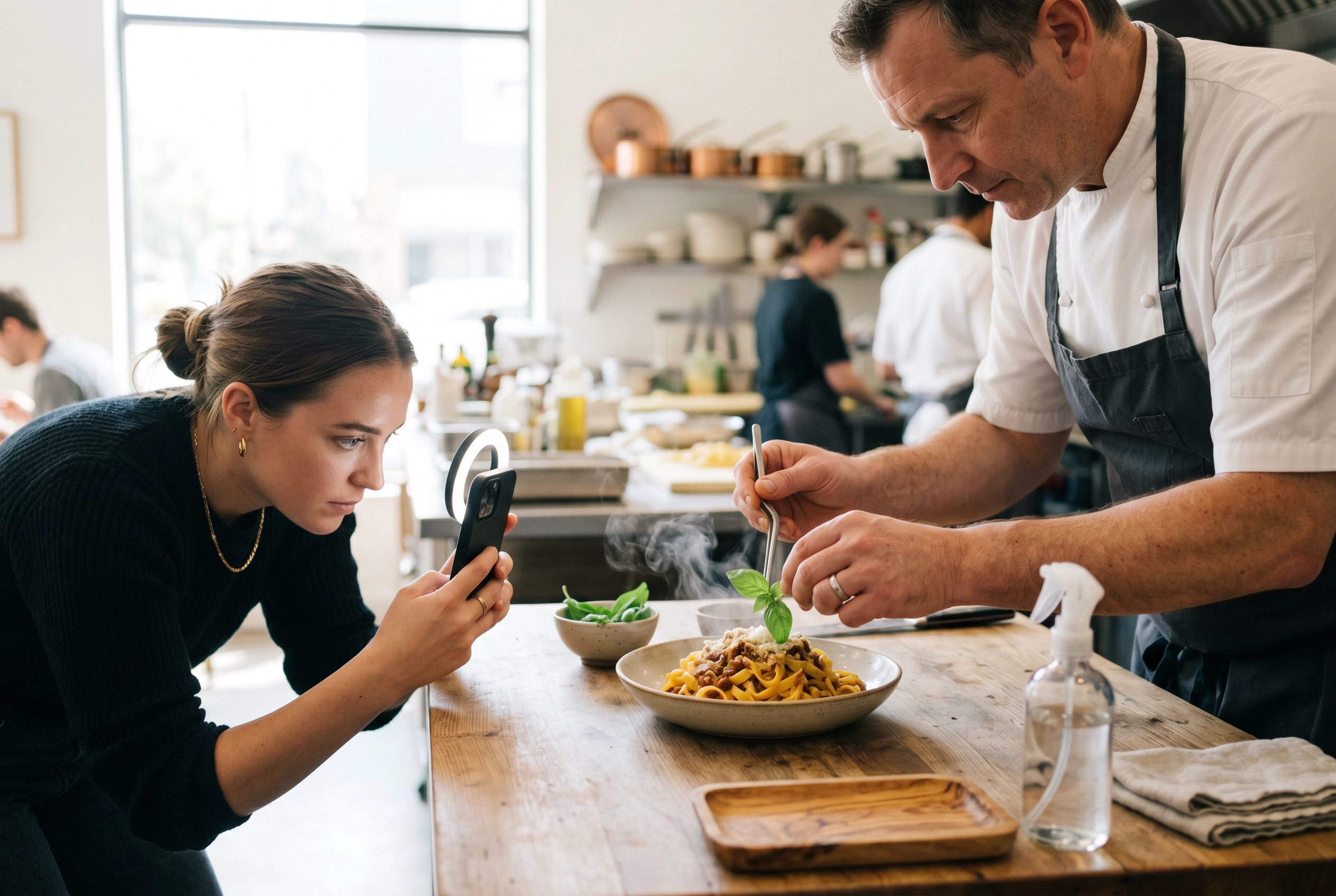 Chef plating pasta while a food creator captures the moment during a restaurant influencer visit
After the visit:
- Same-night thank-you message with your handles and the hashtag you'd like them to use
- Ask for the posting timeline — most will commit to a window rather than a date
- When the post drops, repost immediately to your Stories and tag them back. This signals to future creators you're a good partner
- Save the content. With usage rights negotiated up front, this becomes marketing material for months
For a deeper dive on preparing dishes that actually photograph well, our restaurant food photography guide and guide to staging food for photography cover plating, props, and lighting setups that work on any phone. There's also a good companion piece on photography etiquette in restaurants that's worth sharing with your front-of-house team before an influencer visit.
How to measure ROI (without getting lost in vanity metrics)
A post with 200,000 views and zero new reservations is a loss. A post with 8,000 views and 35 bookings is a win. Measure the right things.
Set the goal before the campaign. Is this about reservations, delivery orders, Instagram followers, or brand awareness for a new concept? Every campaign should have a single primary KPI and a budget tied to it.
Use unique promo codes per influencer. This is the single most reliable attribution method. JAMIE20 for 20% off a tasting menu, SARAH15 for 15% off delivery. You'll know exactly which creator drove which conversion, and you can rank them for future campaigns.
Add UTM parameters to any link you give them. If they're driving traffic to your reservation page or delivery app, a UTM (?utm_source=instagram&utm_campaign=jamie_april) tells your analytics where the click came from.
Ask at the door. For two weeks after a post goes live, train hosts to ask new customers "how did you hear about us?" and track the answers. Toast's data on restaurant influencer campaigns shows most measurable traffic hits within a 48–72 hour window post-publication, then a longer tail over 30 days.
Watch the post-post window. Look for:
- Reservation volume in the 72 hours after posting versus your rolling 4-week average
- New follower count on your own account (usually the most immediate signal)
- Tagged photos and UGC in the two weeks after (the post gives other diners permission to share)
- Average order value of new customers — influencer traffic sometimes arrives with higher intent
Set realistic expectations. A well-matched micro influencer in a neighborhood typically drives 10–40 new reservations in the week after a post. A solid nano might drive 5–15 walk-ins. Viral hits happen, but planning for them is gambling. Plan for steady measurable lifts. According to restaurant trend data referenced by multiple 2024–2025 industry reports, local food creator campaigns generate roughly 8× ROI on average, with a 30% reservation bump in the week following a post.
If you're running multiple campaigns across channels, a proper restaurant marketing software stack will save you from stitching data together in spreadsheets.
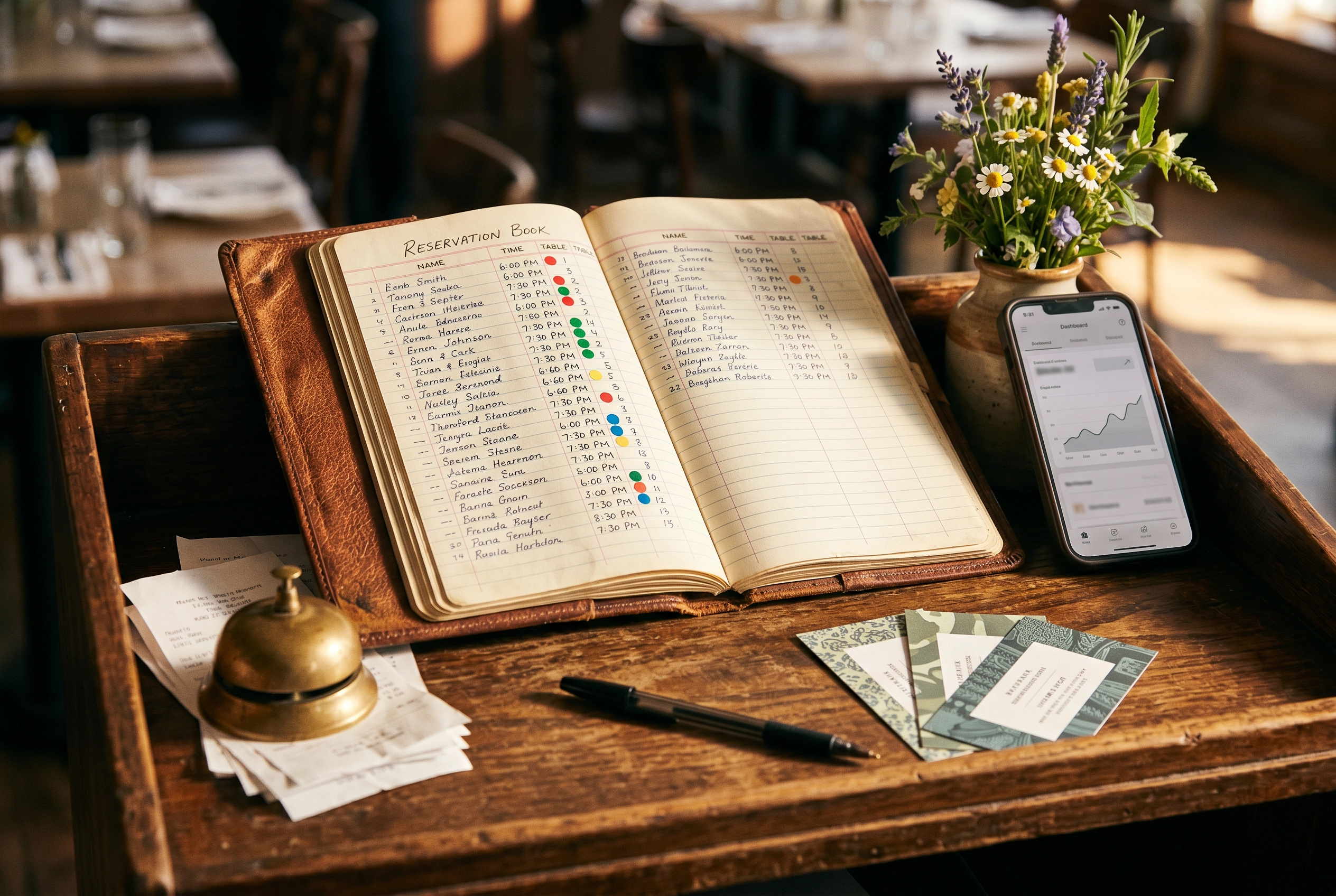 Reservation book and phone chart showing influencer campaign tracking and ROI attribution
Why your own food photos matter the moment an influencer tags you
Here's the blind spot that costs most restaurants half their influencer ROI.
When a creator posts about you, their audience doesn't just watch and scroll. A measurable chunk clicks through to your profile. They want to know if you're real, what the rest of your menu looks like, whether the vibe on your grid matches the one the creator showed them. This is the profile check, and it decides whether the viewer becomes a reservation or a bounce.
If your grid looks like nine low-light phone shots from the last six months, you've wasted the influencer's work. Their polished Reel sold your restaurant. Your amateur feed unsold it.
The fix is not hiring a photographer for every menu change. The fix is making sure every dish on your profile and your delivery apps looks as good as the signature shot. That means:
- A consistent visual style across your grid — same lighting logic, same color grading, same plating philosophy
- High-resolution photos of every item on your menu, not just your bestseller
- Fresh content between influencer visits so the grid doesn't go stale
- The same quality on Uber Eats and DoorDash, where buyers are comparing thumbnails
This is exactly where AI food photography earns its place alongside influencer marketing. With FoodShot AI, a phone photo of a dish taken in the kitchen becomes a studio-grade image in under 90 seconds — matched to a consistent style you can reuse across your entire menu, grid, and delivery apps. When a creator drives traffic to your page, every dish looks like it was shot for the cover of Bon Appétit. The conversion rate on the profile check jumps accordingly.
For restaurants, this isn't a replacement for professional photography on a brand campaign — it's the daily-quality layer that keeps your menu visually consistent between big shoots. Our food photography for restaurants comparison walks through when each approach makes sense, and our menu photoshoot guide covers the planning side. If you want to see what FoodShot AI produces for different concepts, the AI food photography for restaurants page has examples, and pricing starts at $9/month on the yearly Starter plan.
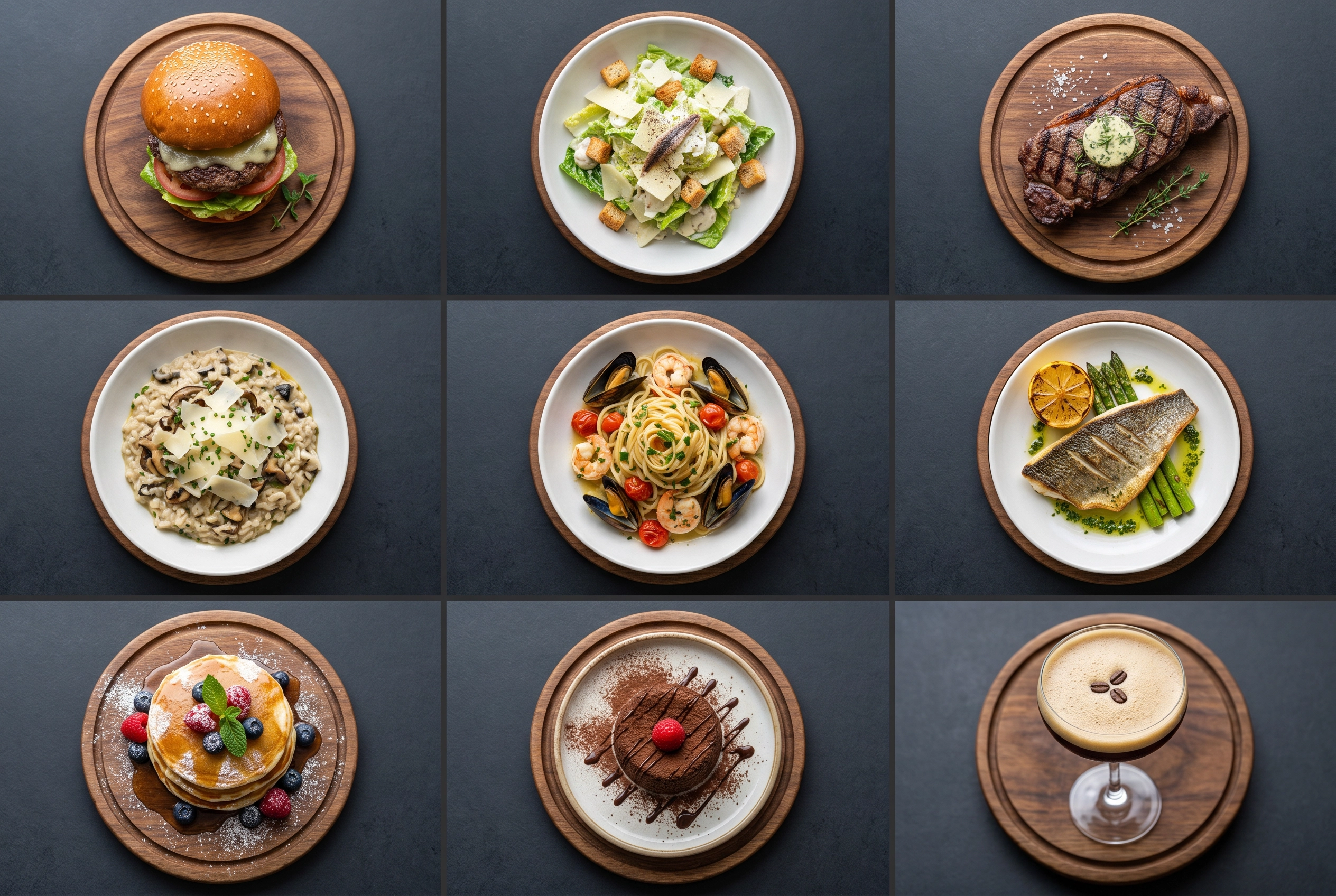 Grid of nine consistently styled restaurant dishes showing visual brand consistency across a menu
Building a sustainable influencer program (not a one-off campaign)
The operators winning at this in 2026 aren't running one-off campaigns. They're running programs.
FSR Magazine's 2026 restaurant marketing analysis identifies the same shift every industry report is flagging: the move away from transactional, one-post deals toward long-term partnerships with fewer creators. Five touchpoints from one trusted creator over six months outperforms one post from a new creator every six weeks. The creator learns your menu, your team, your story. Their audience learns you're not a fly-by-night. Trust compounds. A recent New York Times feature on food influencing profiled creators building communities of millions specifically by championing small family-owned restaurants over time — a powerful reminder that repeat storytelling, not one-off posts, is what moves culture.
A workable starting structure for an independent restaurant:
- Budget 3–10% of monthly marketing spend for influencer activity (aligned with 2026 industry benchmarks)
- Build a portfolio of 1 mid-tier creator plus 5–7 micro or nano creators, rotating across 6–8 weeks
- Negotiate content usage rights up front so you can repost their work as ads, website content, and menu imagery
- Treat creators like contractors, not transactions — consistent communication, early invites to new menu tastings, genuine relationships
- Track every campaign in a shared spreadsheet: creator, cost, deliverables, promo code, resulting reservations, cost per reservation, and usage rights
- Review quarterly; keep the top 60%, replace the rest
Done well, influencer marketing becomes a reliable, measurable channel — not a mystery line item. Done poorly, it becomes an expensive hobby.
Frequently Asked Questions
How much should a restaurant budget for food influencer marketing?
Most restaurants allocate 3–10% of overall marketing spend to influencer activity, according to 2026 industry benchmarks cited by Toast and FSR Magazine. For an independent with $3,000/month marketing spend, that's roughly $90–$300 per month — enough for 2–3 nano partnerships or one solid micro collaboration. Start small, track results, and reinvest into the tier that produces the best cost-per-reservation.
Do I have to pay food influencers, or are comp meals enough?
It depends entirely on the tier and your market. True nano creators (under 5,000 followers) often accept a comped meal for two as sole compensation. From roughly 8,000 followers up, most expect a production fee on top of comp — that's their livelihood, not a hobby. Offering only exposure is the fastest way to get ignored. If your budget is genuinely zero, focus on delighting walk-in nano creators and hoping they post organically.
What's a good engagement rate for a food influencer in 2026?
On Instagram, nano food creators should hit 3.5–8%, micros 2–5%, and macros 0.8–2%. On TikTok, nanos should be 8–12% (some hit 15%), micros 6–9%, and macros 4–7%. YouTube food channels are harder to benchmark since view-to-subscriber ratio matters more than likes. Below 1% on any tier is a red flag for bought followers or a dead account. Calculate it yourself: (average likes + comments on last 10 non-sponsored posts) ÷ followers × 100.
Should I use Instagram, TikTok, or YouTube for food influencer marketing?
All three have roles, but for most restaurants: TikTok for discovery and younger audiences, Instagram for reservation-decision content and broader age ranges, YouTube for destination or chef-driven spots telling longer stories. Instagram Reels plus Stories remains the most reservation-efficient combo for most restaurants in 2026. TikTok tends to generate bigger reach spikes but less direct booking conversion. Many restaurants get the best of both by working with creators who cross-post.
How long does it take to see results from a food influencer campaign?
Most measurable reservation and delivery-order lifts happen within 48–72 hours of a post going live, with a longer tail over 30 days. Expect a second smaller bump when Reels and TikToks hit recommended feeds, which can happen weeks later. Follower growth is usually immediate and visible on your own account within hours.
Can a restaurant get in trouble if an influencer doesn't disclose our partnership?
Yes. Under the FTC's Endorsement Guides, brands are responsible for instructing, monitoring, and correcting disclosure failures. Penalties can reach $50,120 per violation. Protect yourself by including disclosure requirements in writing (a DM or email is fine, a contract is better), specifying that #ad or #sponsored must appear at the start of the caption, and keeping records. If a creator refuses to disclose, do not work with them.
What if an influencer leaves a bad review after we pay them?
Paid partnerships typically come with pre-agreed deliverables that don't include unqualified reviews — you're paying for content, not praise. A creator who accepts payment and then trashes you publicly without raising issues privately first is unprofessional, and word spreads fast in the local creator scene. That said, you can't buy an honest review. If an influencer genuinely had a bad experience, address it the way you'd address any real customer complaint: take ownership, fix the issue, and invite them back. The restaurants that handle criticism well often come out stronger.
How do I handle an influencer who shows up without asking first?
Treat them like any customer — which usually means a friendly "welcome in." You're not obligated to comp them just because they have 30,000 followers. If they identify themselves and ask about a comp or collab, politely ask them to email or DM your marketing contact after the meal so you can review their account and decide on a partnership. Paying for a meal they didn't earn sets a precedent that drains margins. Professional creators understand this and will respect the process.
The takeaway
Food influencer marketing works when it's treated like any other professional channel: clear goals, informed budgeting, vetted partners, measurable results, and a solid owned-media foundation to catch the traffic when it arrives. Get the basics right and you'll build a reliable flow of new reservations for a fraction of what paid ads cost. Skip the basics — especially the part about your own photography — and you'll be wondering where the ROI went.
Start with one creator. Track everything. Repeat what works. That's the whole playbook.