Food Photography Backdrops: 15 Best Options + AI Shortcut
 Ali Tanis18 min read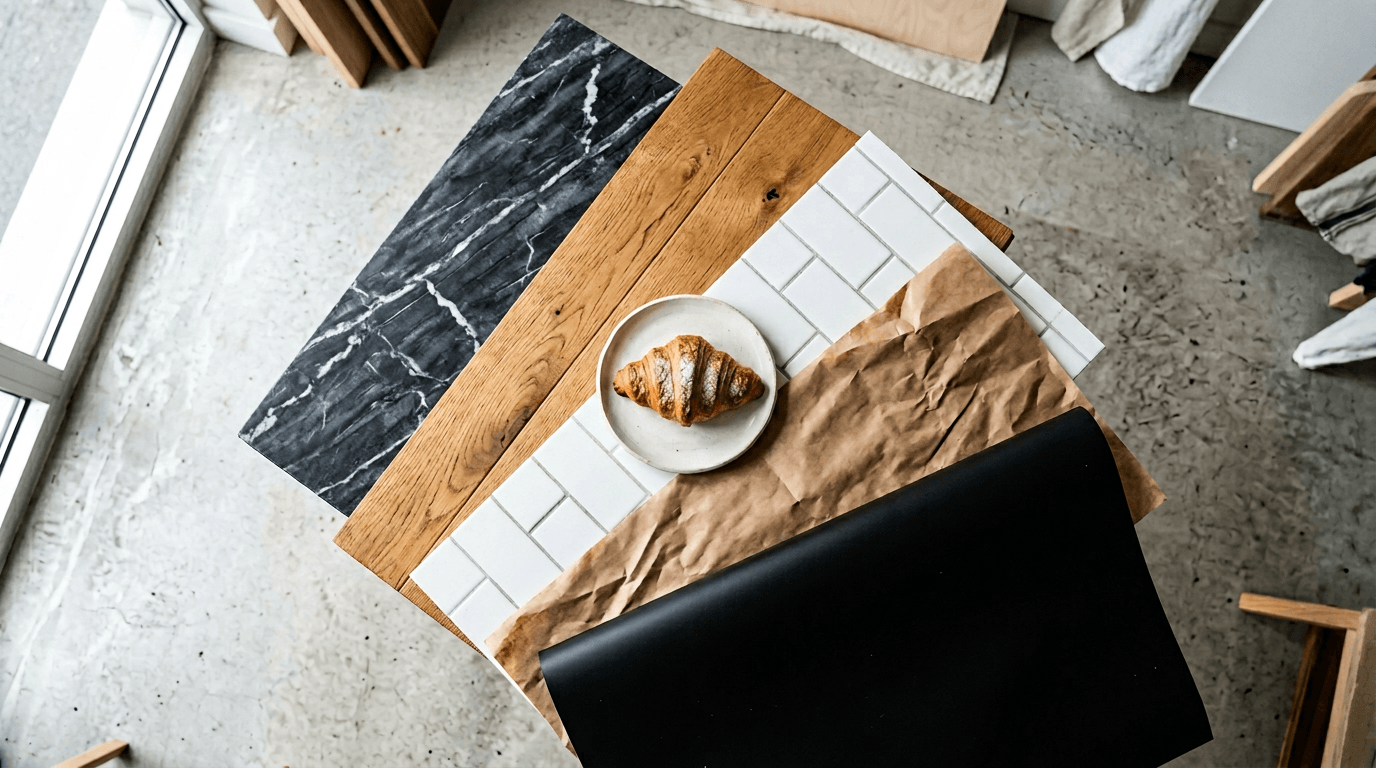
The backdrop behind your food matters more than you think. It's the difference between a photo that looks like a restaurant ad and one that looks like a sad lunch photo you texted your friend.
After researching dozens of options — from $3 foam boards to $200 hand-painted wood slabs — here are the 15 best food photography backdrops you can buy right now, plus an AI shortcut that eliminates the need for a physical collection entirely.
Quick Summary: The best food photography backdrops combine matte texture with neutral colors. Top picks include V-Flat World Duo Boards ($70–$110) for professionals, Bessie Bakes boards (
$35) for budget-conscious shooters, and DIY painted plywood ($15) for crafty types. For unlimited variety without physical storage, FoodShot AI's background editor replaces any food photo background for $15/mo.
Why Your Backdrop Can Make or Break a Food Photo
A backdrop does three things in every food photo: it sets the mood, controls the color story, and either complements or competes with the dish. A warm croissant on a rustic wood surface tells a completely different story than the same croissant on sleek black marble.
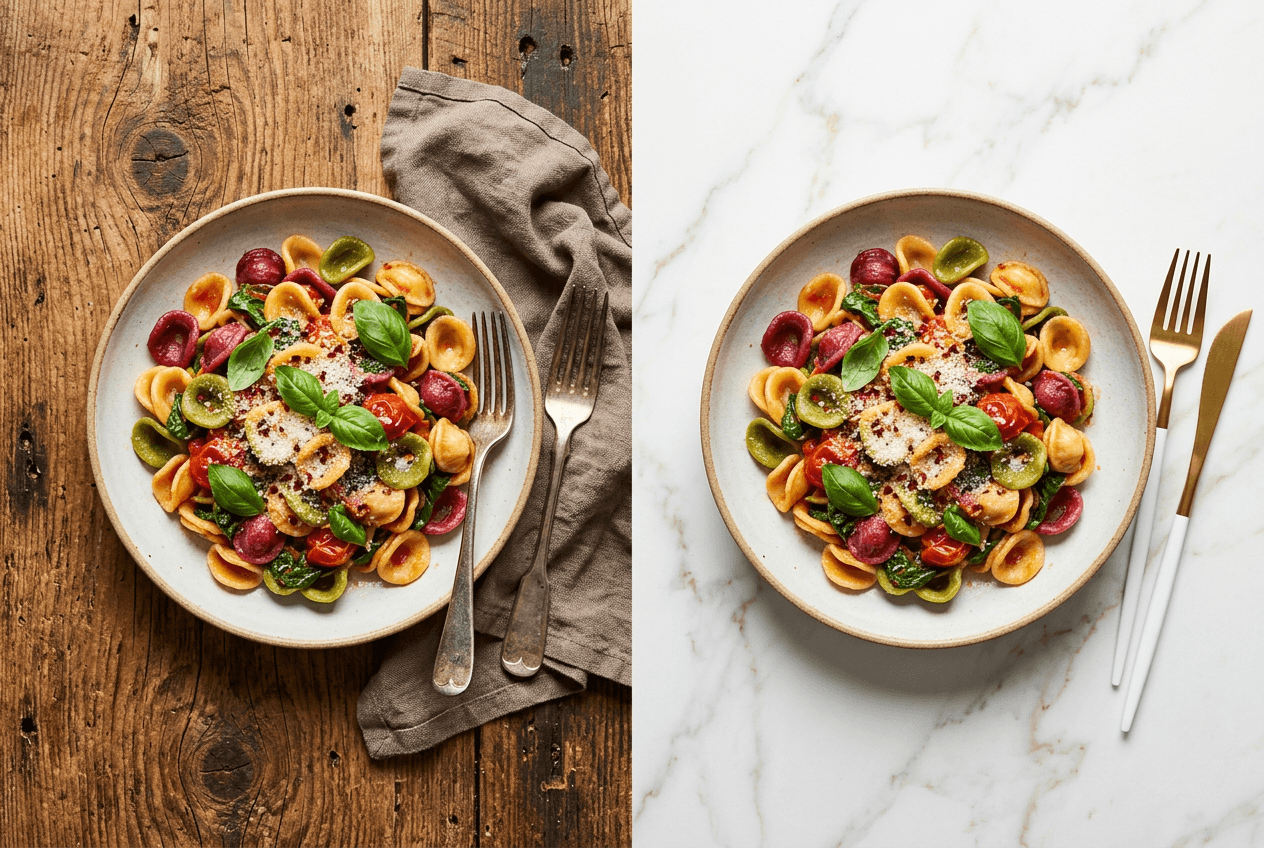 Same pasta dish on two different food photography backdrops showing rustic wood versus white marble styling
Here's what separates good food photography backdrops from bad ones:
- Texture adds depth. Flat, textureless surfaces make food photos look like product catalog shots. Subtle wood grain, stone variation, or plaster mottle gives the eye something to rest on without pulling attention from the dish.
- Matte finishes beat glossy every time. Glossy surfaces create hot spots and reflections that are incredibly difficult to manage, even with professional lighting equipment. Always go matte.
- Color should support, not compete. Cool neutrals (grey, white, muted blue) make food colors pop. Bright or saturated backgrounds steal attention from the dish. According to color theory research from the Interaction Design Foundation, complementary and analogous color pairings create the most visually pleasing compositions.
- Light interacts with your backdrop. The way natural or artificial light hits your surface affects the entire image. A textured backdrop catches and scatters light beautifully, while a smooth one can appear flat and lifeless. Learn more in our food photography lighting guide.
If you're just starting out, a set of 3–5 versatile backdrops covers about 80% of food photography scenarios. Our food photography equipment guide covers the full gear picture, but your backdrop collection is where you'll get the most visual impact per dollar spent.
Food Photography Backdrop Types (Explained)
Not all food photography backdrops are created equal. Each material type has real trade-offs in texture quality, portability, price, and durability. Here's what to expect from each so you can add the right ones to your collection.
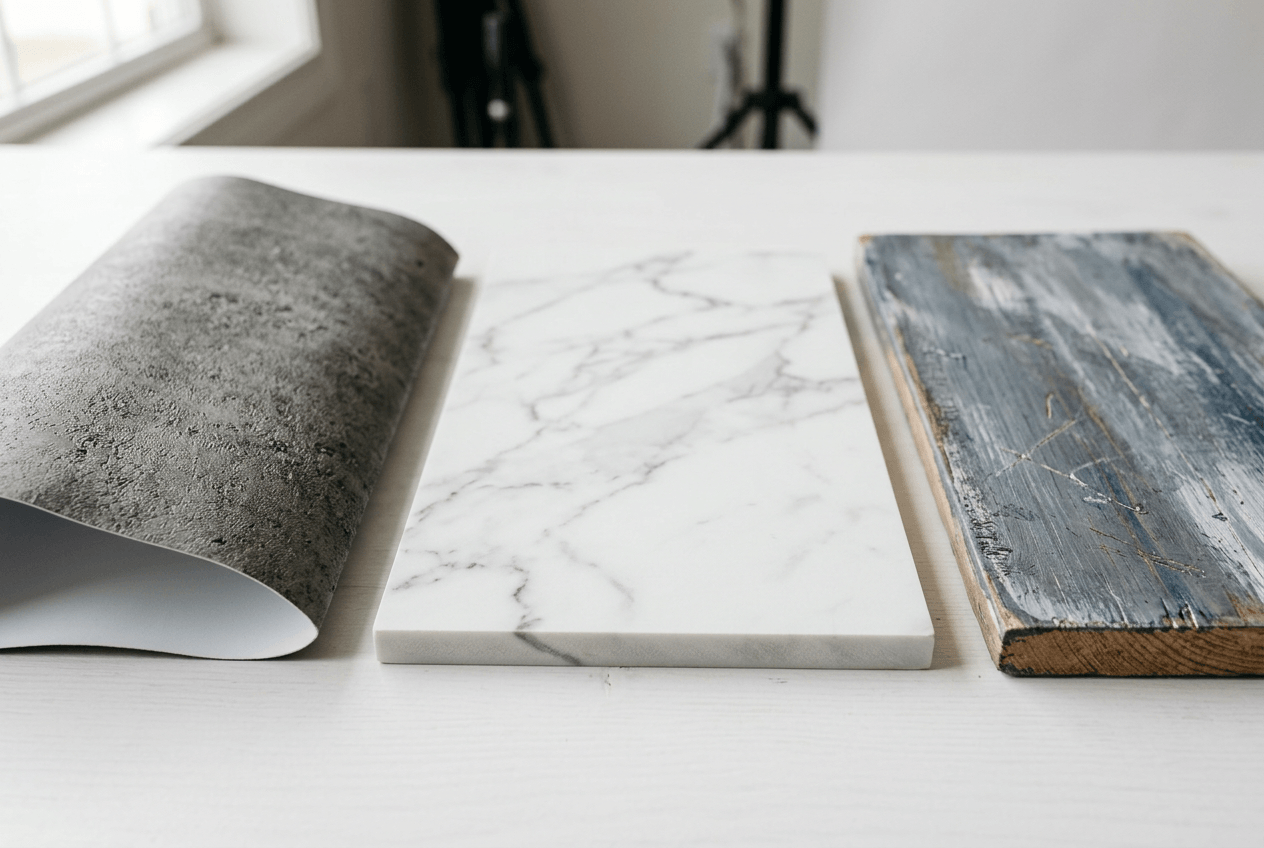 Close-up comparison of vinyl, rigid PVC board, and hand-painted wood food photography backdrop materials
Vinyl Backdrops
Flexible vinyl sheets printed with photographic textures — wood, marble, concrete, tile. You can roll them up for easy storage and carry them to any location without breaking a sweat.
Pros: Lightweight, rollable, affordable ($15–$65), easy to wipe clean, huge variety of designs available.
Cons: Cheap ones look visibly fake on camera. Glossy finishes cause glare. Can crease permanently if stored incorrectly (always store flat or gently rolled).
Best for: Beginners, small home studios, photographers who shoot on-location.
Budget tip: Skip the $10 Amazon vinyl rolls. They're almost always glossy and pixelated up close. Spending $35–$55 on a quality vinyl backdrop from Poppy Bee, Club Backdrops, or Bessie Bakes saves you from reshooting — and regretting.
Rigid Printed Boards (PVC/Foam-Backed)
These are flat, rigid panels printed with ultra-high-resolution textures. V-Flat World's Duo Boards dominate this category with double-sided designs — two different looks on one board.
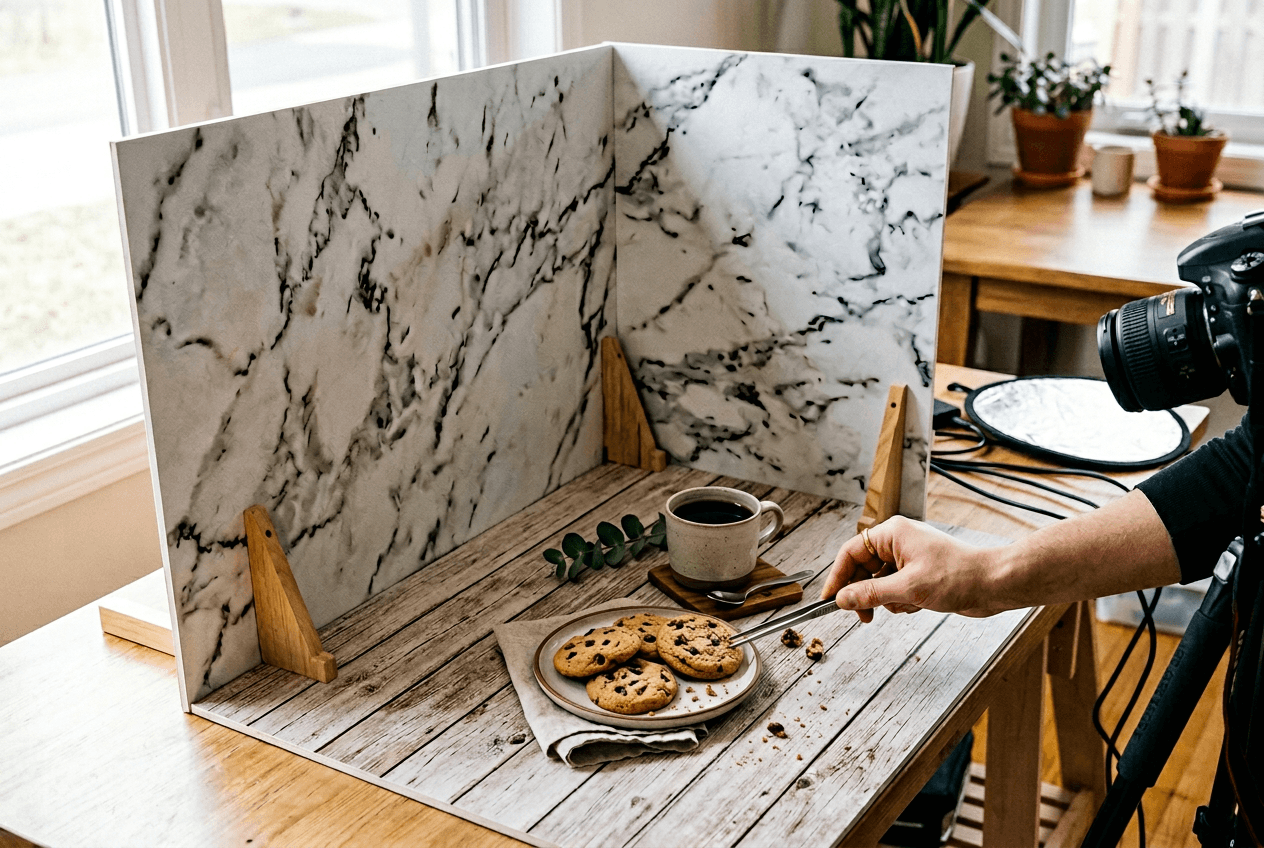 Food photography backdrop board setup showing floor-to-wall L-shaped configuration with marble and wood textures
Pros: Ultra-realistic textures (300–1000 DPI), double-sided (2 looks per board), stain-resistant, washable, come with integrated legs for wall setups.
Cons: Can't be rolled up (need flat storage space), heavier than vinyl, more expensive ($30–$110).
Best for: Professional studio work, anyone who wants consistent, realistic results without the bulk of real wood or stone.
Hand-Painted Wood Boards
The gold standard for food photography backdrop texture. Hand-painted plywood or MDF boards with custom paint techniques create surfaces that look and feel authentic in-camera. Companies like Texturit and Woodville Workshop ship these internationally.
Pros: Most realistic texture you can buy, custom colors and finishes, excellent close-up detail, can be repainted when you want a fresh look.
Cons: Heavy (5–15 lbs per board), expensive ($50–$200+), bulky storage requirements, high shipping costs.
Best for: Editorial food photography, high-end client work, photographers who prioritize texture quality above all else.
Real Surfaces (Marble, Tile, Slate)
Nothing beats the real thing for food photography. A genuine marble slab, ceramic tile, or slate board provides 100% authentic texture that no print can fully replicate.
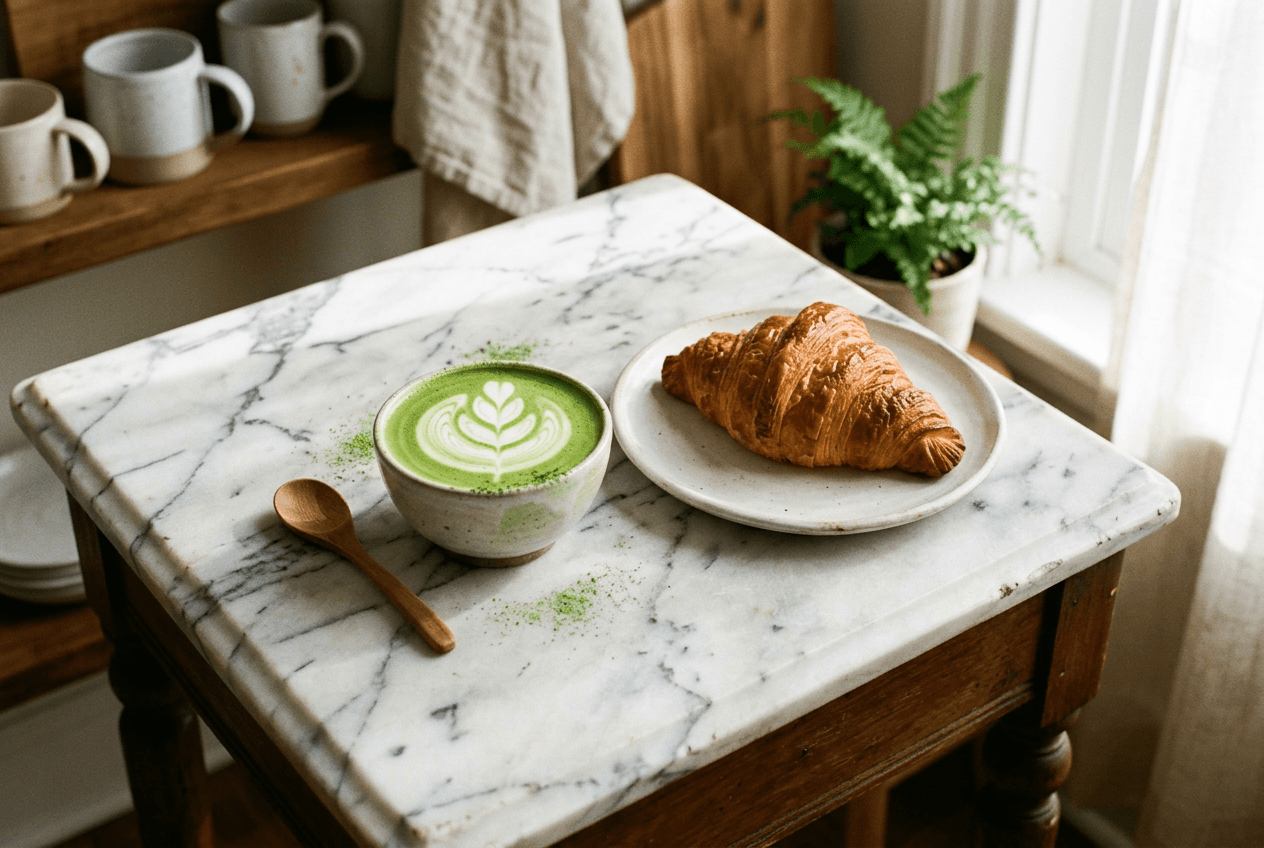 Matcha latte and croissant on real marble surface demonstrating authentic stone texture for food photography
Pros: Unmatched authenticity, unique natural variation, great for extreme close-ups and macro shots.
Cons: Very heavy (marble slabs can weigh 20+ lbs), fragile, limited variety unless you buy several, expensive for large pieces.
Pro tip: Visit a local stone warehouse or countertop fabricator and ask for offcuts or remnants. A 24″ × 24″ marble slab runs $30–$60 — a fraction of what a full countertop costs.
Paper and Foam Board
The absolute cheapest entry point for food photography backgrounds. White foam board from Target or Michaels costs $2–$5 and doubles as a light reflector for fill lighting.
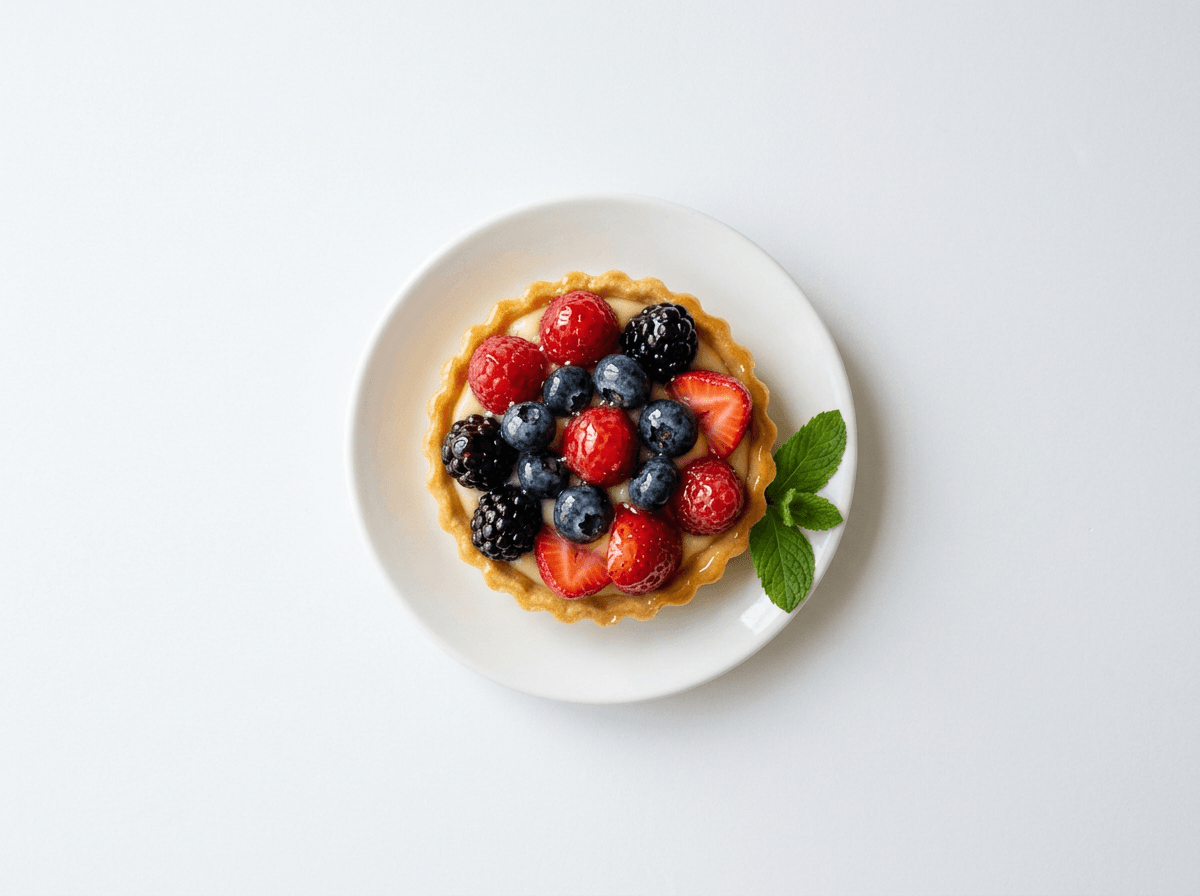 Fresh berry tart photographed on white foam board backdrop showing clean minimal food photography results
Pros: Dirt cheap, easy to find at any store, foam board works as both a backdrop surface and a light reflector.
Cons: Fragile (foam board dents and bends easily), limited to plain colors, doesn't look professional in close-up detail shots.
Creative hack: Crumple and smooth out butcher paper or parchment paper for an instant rustic texture. Works beautifully for baking photography and food styling shots.
15 Best Food Photography Backdrops (With Prices)
Here are the top backdrop picks across every budget, from pro-grade boards to $3 DIY solutions. All prices reflect March 2026 retail.
Premium Picks ($40+)
These premium food photography backdrops deliver the best quality and most realistic textures available.
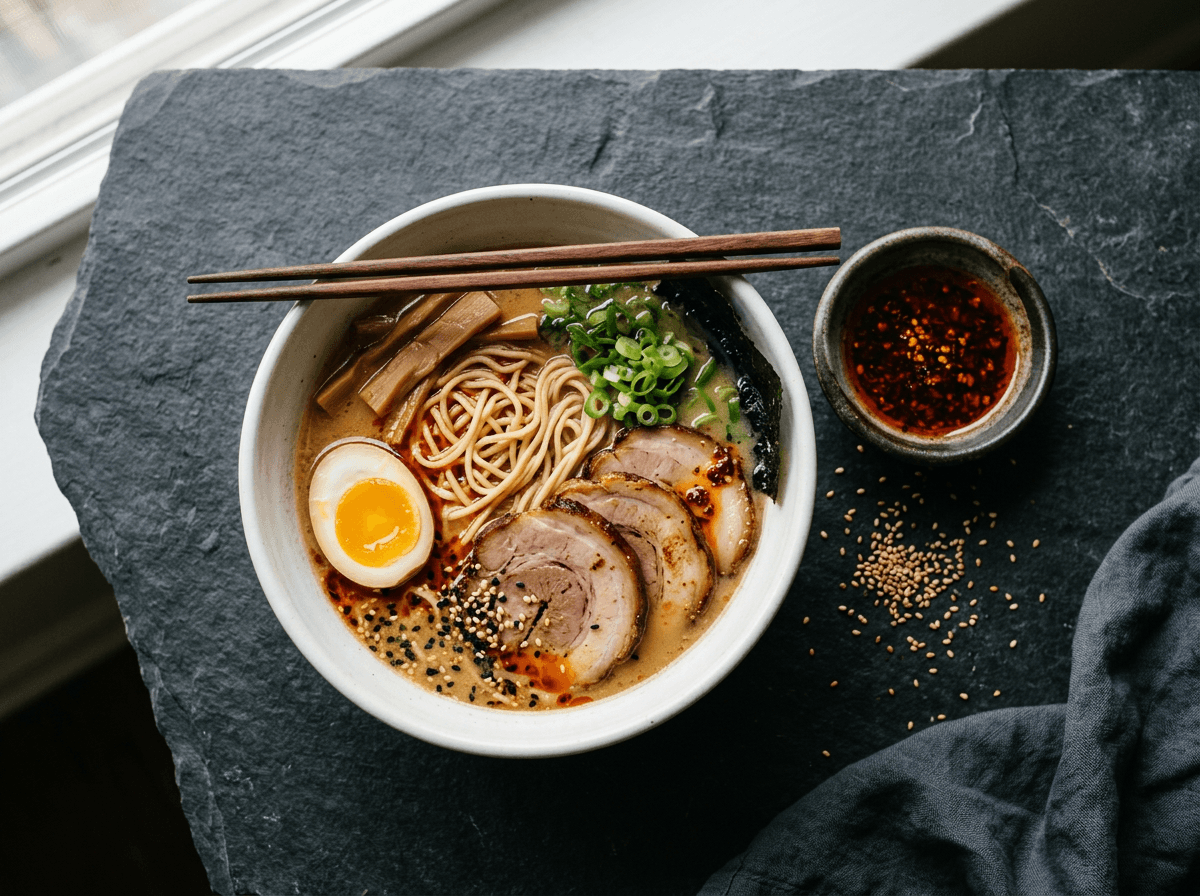 Styled ramen bowl on dark stone food photography backdrop showing how dark surfaces make food colors pop
1. V-Flat World Duo Board — Onyx Marble/Alpine Marble
- Price: $69.95 (24×24″) / $109.95 (30×40″ XL)
- Where to buy: vflatworld.com, Amazon
- Why it's great: Double-sided with two different marble textures. 1,000 DPI printing that looks genuinely realistic even in close-ups. Includes Duo Legs for instant wall setup. Stain-resistant and washable — you can wipe off food spills without damage.
- Best for: Flat lays, overhead shots, anyone shooting clean and modern food content.
2. V-Flat World Duo Board XL — Vintage Oak/Ink Hardwood
- Price: $109.95 (30×40″)
- Where to buy: vflatworld.com, Amazon
- Why it's great: The larger XL size handles wider scenes and angled shots without edges showing in frame. Two warm wood textures that work for everything from rustic pasta to artisan bread photography.
- Best for: Side-angle shots, wider scene compositions, photographers who need more surface area.
3. Poppy Bee Surfaces — Handmade Vinyl
- Price: ~$45–$65 per surface
- Where to buy: poppybeesurfaces.com
- Why it's great: 100% handmade in Vermont with real texture you can actually feel. These aren't just printed — they're hand-crafted surfaces with actual depth and dimension. Matte finish photographs beautifully with zero glare.
- Best for: Photographers who want vinyl portability with artisan-quality texture.
4. Bessie Bakes — Two Loves Studio Collection
- Price: ~$35–$50 per board
- Where to buy: bessiebakesbackdrops.com, Amazon
- Why it's great: Collaboration with food photography educator Rachel Korinek. Thin (3mm), lightweight, stain-resistant boards in curated food-friendly colors. Made in Nashville with free US shipping.
- Best for: Food bloggers, bakers, anyone who wants quality backdrops without premium pricing.
5. Club Backdrops — Texture Vinyl Collection
- Price: From ~$39 (€36) per backdrop
- Where to buy: us.clubbackdrops.com
- Why it's great: Made in the UK with 176+ designs to browse. Waterproof vinyl that's easy to reuse and wipe clean. Multi-buy discounts (up to 20% off when you add more to your cart). Particularly strong selection of colored and textured options beyond basic neutrals.
- Best for: Photographers who want color variety and creative options in their collection.
Mid-Range Picks ($15–$40)
Solid quality food photography backdrops that won't break the bank.
6. Best Ever Backdrops — Mix & Match
- Price: ~$30–$40 per backdrop
- Where to buy: besteverbackdrops.com
- Why it's great: Choose any front design, then pick a different one for the back. Waterproof, stain-resistant, available in two sizes. Free US shipping included.
- Best for: Photographers who want to customize their own double-sided backdrop combos.
7. Bessie Bakes — Whitewashed Reclaimed Wood (Amazon)
- Price: ~$35
- Where to buy: Amazon
- Why it's great: One of the most popular food photography backdrops on Amazon for a reason. Super thin and pliable, moisture-resistant, and looks much more expensive than it is. Standard 2′ × 3′ size works for most setups.
- Best for: Budget-conscious food bloggers who want one reliable go-to surface.
8. Amazon Allenjoy Double-Sided Photo Board
- Price: ~$16–$22
- Where to buy: Amazon
- Why it's great: Cheapest double-sided option available. Decent quality for the price — good enough for social media and delivery app content. Multiple texture combos available (wood/marble, concrete/brick).
- Best for: Absolute beginners testing the waters before investing more in their backdrop collection.
9. Black Velvet Styling — Vinyl Backdrop
- Price: ~$25–$40
- Where to buy: blackvelvetstyling.com
- Why it's great: Specialized specifically in food and still-life photography backdrops. Good range of contemporary textures and colors. Featured in published cookbooks by professional food stylists.
- Best for: Professional food stylists who need on-trend styling options.
10. Ink & Elm — Photo Backdrop Board
- Price: ~$25–$40
- Where to buy: inkandelm.com
- Why it's great: Established brand with a large selection of backdrop designs. Affordable entry into rigid board backdrops.
- Heads up: Lower print resolution than V-Flat World or Bessie Bakes — avoid for extreme close-up detail shots. Works well at wider angles and for social media content where maximum resolution is less critical.
Budget & DIY Picks (Under $15)
These budget options prove you don't need to spend a lot to create solid food photography backgrounds. Some of the best food photography backdrops for beginners cost practically nothing.
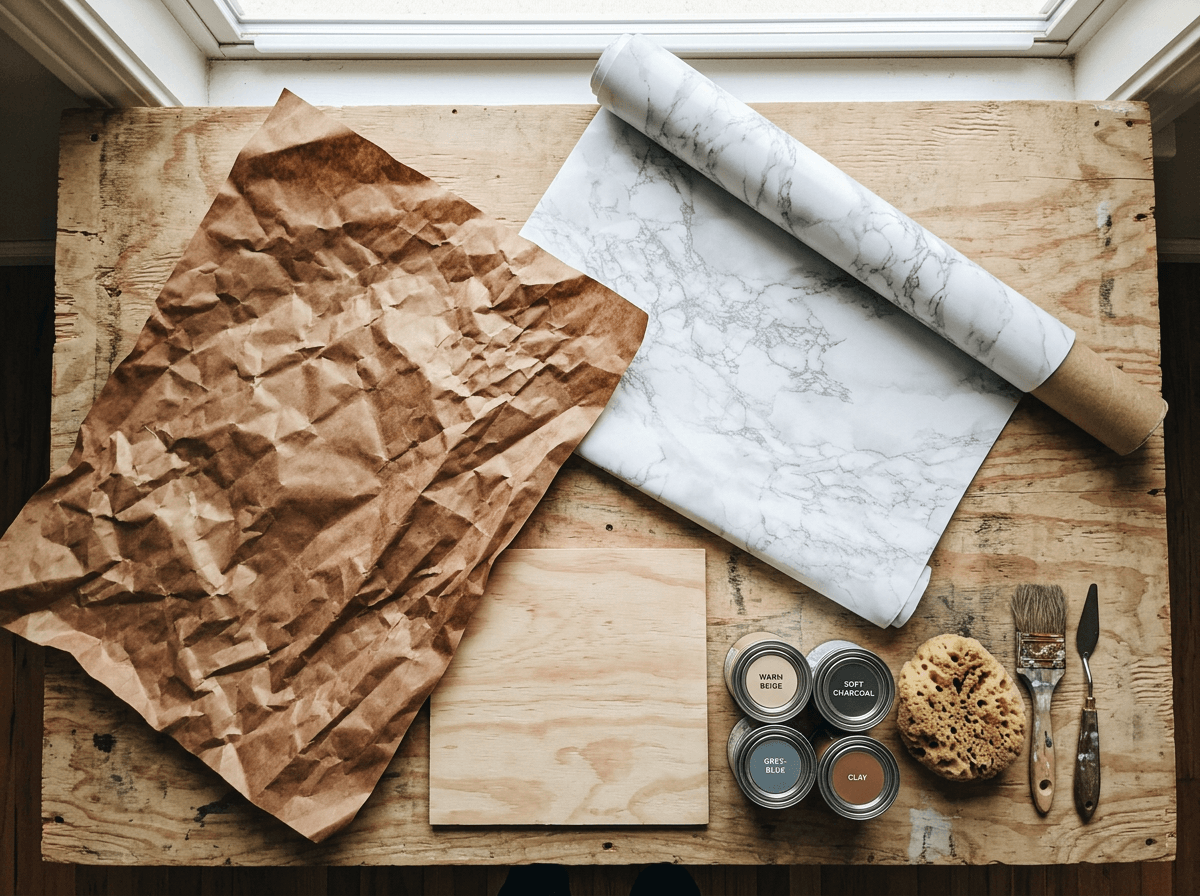 DIY food photography backdrop materials flat lay with contact paper, butcher paper, paint pots, sponge, and plywood
11. White Foam Board
- Price: $2–$5
- Where to buy: Target, Michaels, Dollar Tree, Walmart
- Why it's great: The original food photography background that professionals still use today. A clean white surface lets food take center stage. Also doubles as a fill light reflector — hold it opposite your light source to bounce light back into shadow areas and add brightness.
- Best for: Beginners, clean/minimal aesthetic, delivery app photos.
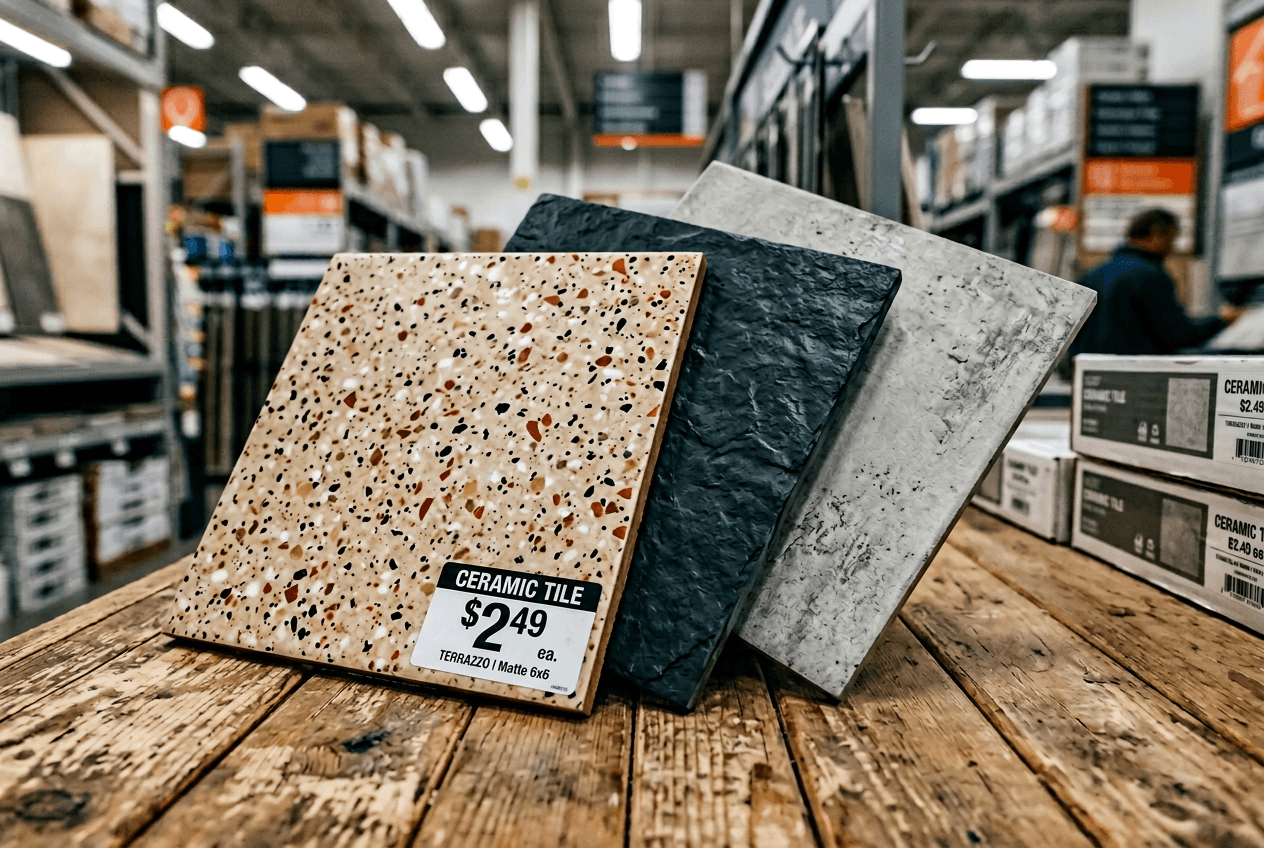 Affordable ceramic floor tiles in concrete, slate, and terrazzo finishes used as budget food photography backdrops
12. Large-Format Ceramic Tile
- Price: $3–$10 per tile
- Where to buy: Home Depot, Lowe's, local tile shops
- Why it's great: Matte-finish porcelain tiles in 24″ × 24″ sizes make excellent food photography surfaces. Look for concrete, slate, or terrazzo finishes at your local store. You get real texture that no printed backdrop can fully match.
- Best for: Overhead flat lays, detail shots, when you want authentic texture on a tight budget.
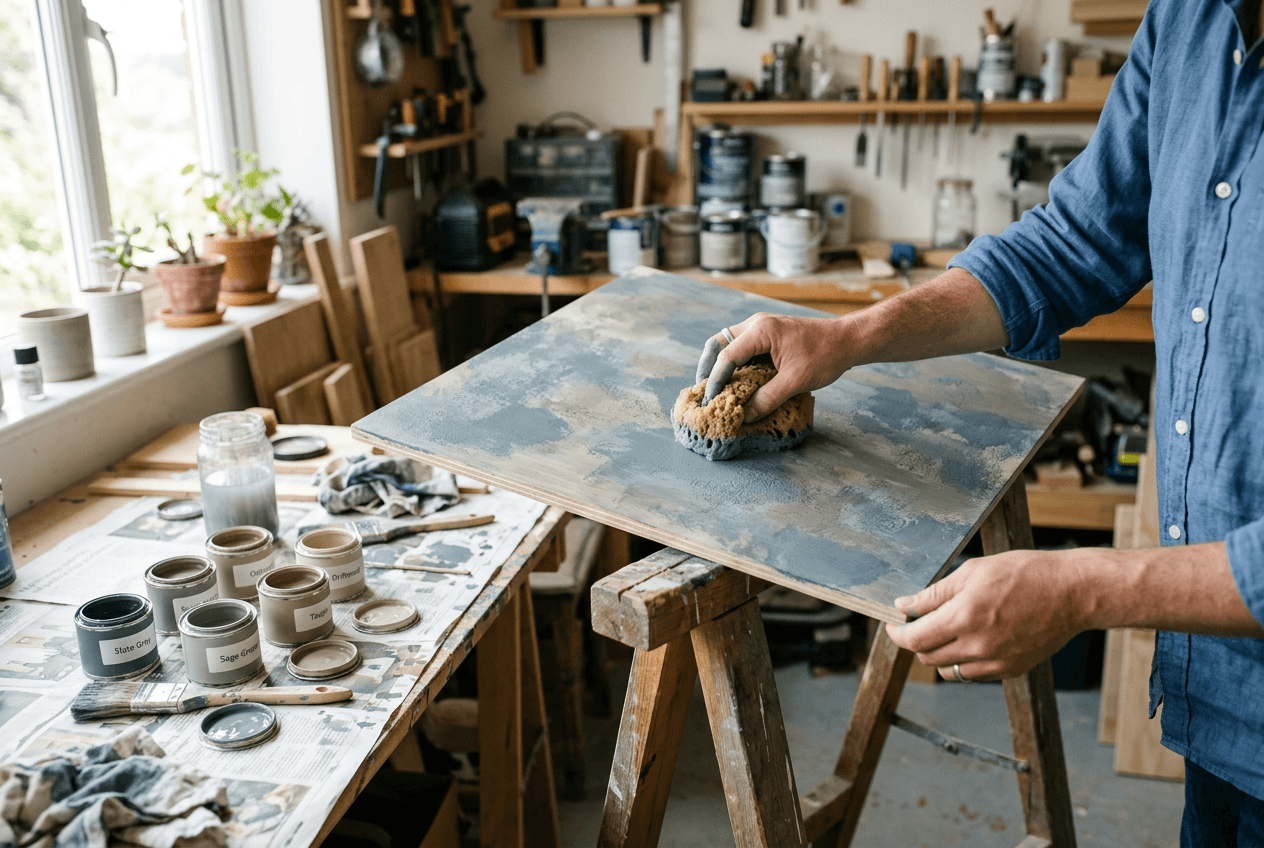 Hands sponge-painting a DIY food photography backdrop on plywood board with muted grey-blue paint
13. Painted Plywood Board (DIY)
- Price: ~$15–$25 total
- What you need: Thin plywood (5mm), sample paint pots (2–3 colors in the same family), a natural sea sponge, and matte sealant
- How to create it: Buy the largest plywood sheet available and have the store cut it to 24″ × 24″ or 24″ × 36″ pieces. Apply a base coat of your lightest color. Once dry, use the sponge to dab on darker and lighter shades of the same color for natural depth and variation. Finish with a matte sealant to protect your backdrop from food stains.
- Best for: DIY enthusiasts who want custom colors to match their style. Pairs perfectly with the right food photography props for a cohesive, styled look.
14. Marble Contact Paper on Foam Board
- Price: ~$10–$15 total
- What you need: Peel-and-stick marble contact paper ($8–$12 per roll on Amazon), foam board ($2–$3)
- How to create it: Smooth the contact paper onto foam board, working out air bubbles with a credit card or squeegee. Trim edges with a utility knife for a clean finish.
- Heads up: Many contact papers have a glossy finish that can cause glare. Shoot at angles that avoid direct light hitting the surface, or specifically search for matte-finish contact paper.
15. Crumpled Butcher Paper or Parchment
- Price: $5–$8 per roll
- Where to buy: Any grocery store or Amazon
- Why it's great: Crumple the paper, then smooth it back out for instant rustic texture. The natural brown color complements baked goods perfectly. Completely disposable — no cleaning required after messy shoots.
- Best for: Baking photography, overhead shots, one-time shoots where easy cleanup matters most.
How to Choose the Right Backdrop for Your Shoot
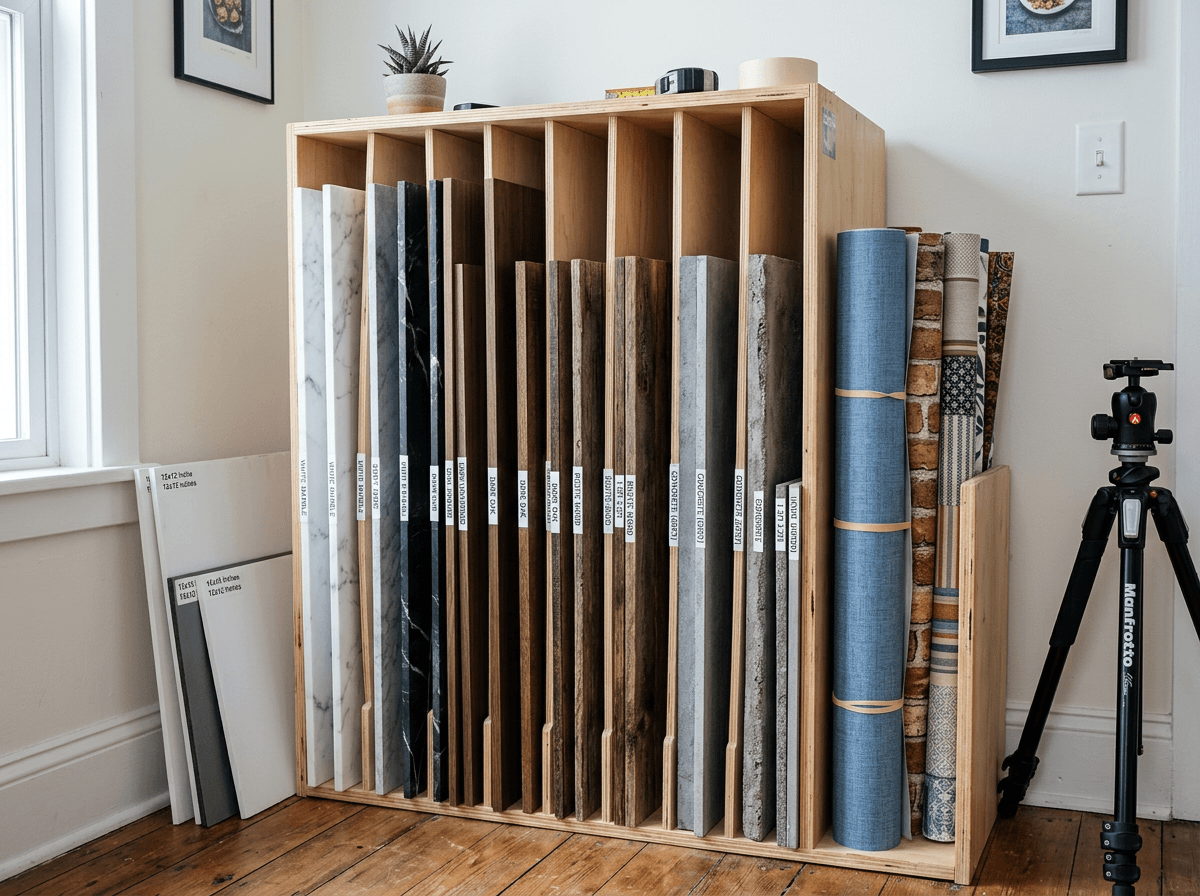 Organized food photography backdrop collection stored vertically on shelves in a home studio workspace
With 15 options to pick from, here's how to narrow it down fast and build a food photography backdrop collection that actually works.
Match color to food. Cool, desaturated backgrounds (grey, white, muted blue, soft black) make food colors pop. Bright red tomatoes look electric on charcoal concrete. Avoid backdrops that closely match the food color — brown bread on brown wood just disappears. Use a color wheel tool to find complementary pairings.
Always choose matte surfaces. This is non-negotiable for food photography. Glossy surfaces create reflections and hot spots that are nearly impossible to fix in post-processing. Every backdrop recommended in this guide is matte or semi-matte for that reason.
Size depends on your shooting angle:
- Flat lay/overhead: 24″ × 24″ minimum
- 45-degree angle: 24″ × 36″ or larger
- Side angle with wall: Two boards (one floor, one wall) at 30″ × 40″ each
Build a versatile starter kit of 3–5 surfaces. A smart starter collection includes one white or light grey, one dark surface (charcoal, black marble, or dark wood), one warm neutral (honey wood or terracotta), and optionally one colored option and one textured stone. That combination handles 80% of the food photography scenarios you'll encounter.
For more techniques that make any backdrop look its best, explore our food photography tips for complementary skills like composition, styling, and camera settings.
The AI Shortcut: Unlimited Backgrounds Without a Collection
Here's the reality about building a physical backdrop collection: a quality starter set of 5 boards costs $200–$350. A comprehensive collection of 10+ surfaces runs $400–$800. They require dedicated storage space, they get stained over time, and you're still limited to the specific textures you own.
For restaurant owners, delivery businesses, and food marketers who need professional food photography backgrounds but don't want to invest in a backdrop studio, there's a faster path.
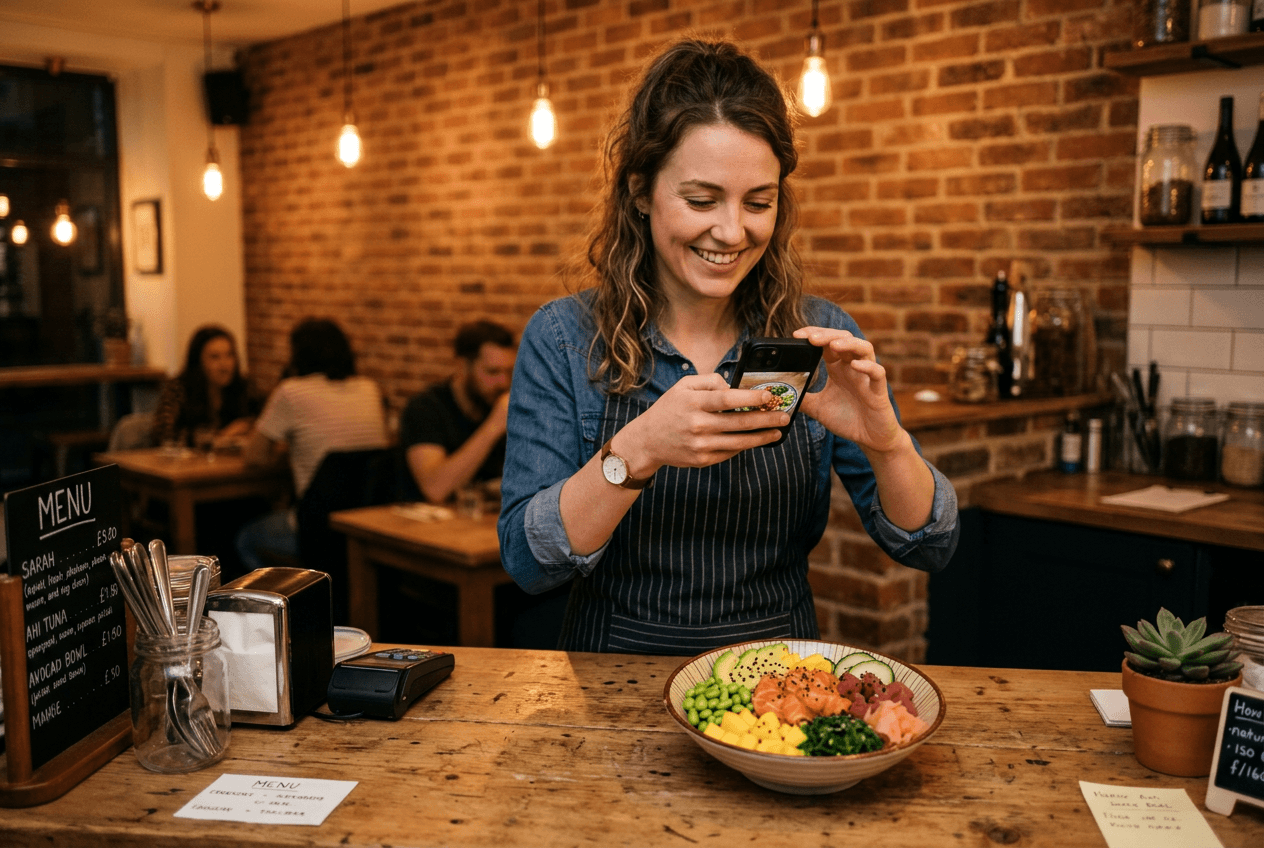 Restaurant owner photographing a dish with smartphone for AI background replacement instead of using physical backdrops
FoodShot AI's background editor removes your food photo's existing background and replaces it with any surface you want — marble countertops, rustic wood tables, luxury restaurant settings, minimalist white, outdoor cafe scenes, and dozens more. Upload one smartphone photo of your dish, pick a background (or upload your own custom one), and get a finished, professional image in about 90 seconds.
What makes this different from just buying physical backdrops:
- Unlimited variety. Access 30+ preset backgrounds, plus upload any reference image as a custom background. No storage closet required.
- Consistency at scale. Need 50 menu items on the same background? Done in an afternoon. Try doing that with physical backdrops, a camera, and natural light that changes every hour.
- Brand matching. Upload your restaurant's actual interior as a custom background to add brand consistency to every photo. Perfect for creating a cohesive look across your restaurant branding.
- No lighting hassle. The AI handles light matching automatically. No need to worry about how your backdrop interacts with your light source.
This approach works especially well for delivery app photography where platforms like Uber Eats and DoorDash require clean, consistent backgrounds to meet their image guidelines.
Is AI a full replacement for physical backdrops? Not entirely. Professional food photographers who do editorial work still benefit from real texture and hands-on styling with physical surfaces. But for the vast majority of restaurant marketing, menu photography, and social media content creation, AI backgrounds deliver better results faster and at a fraction of the cost.
Physical Backdrops vs AI Backgrounds: Quick Comparison
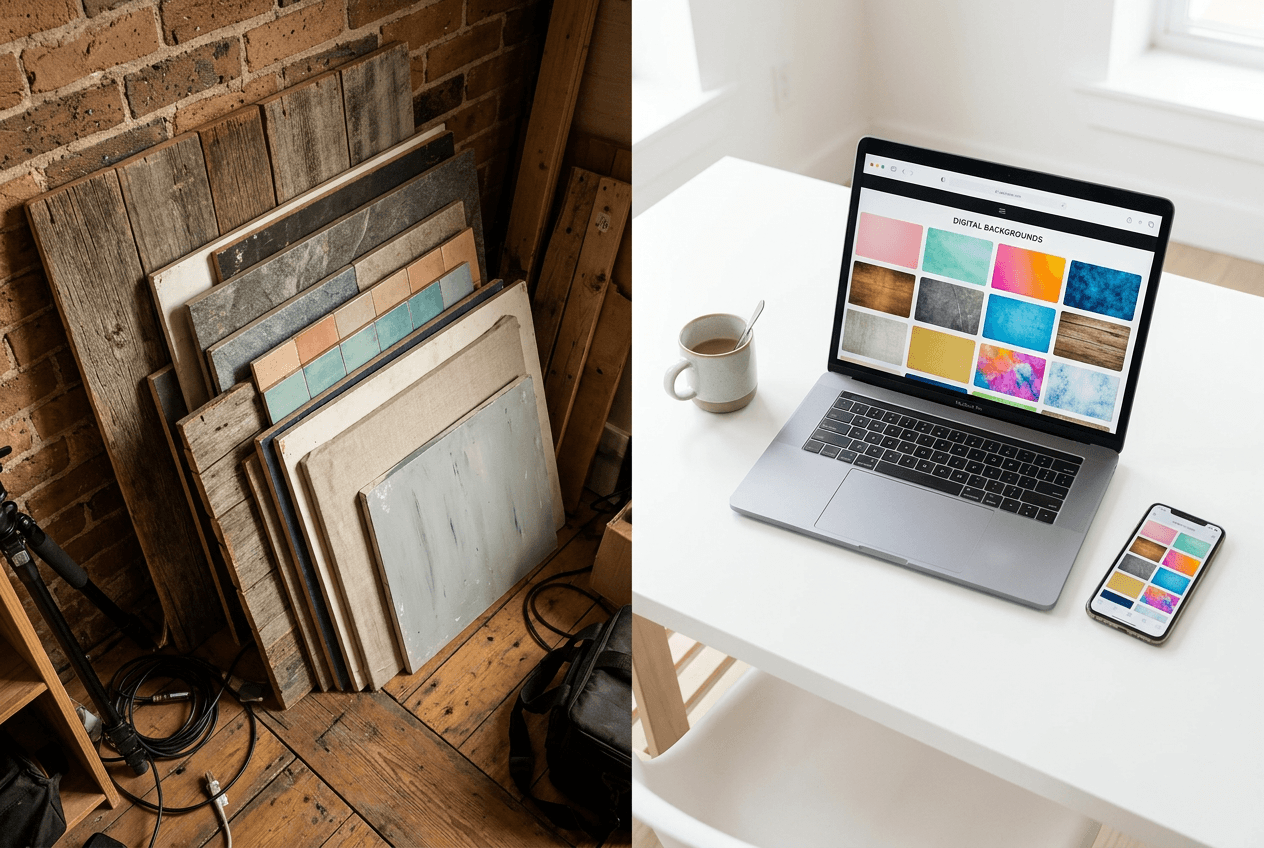 Physical food photography backdrop storage versus digital AI background alternatives showing space and convenience comparison
| Physical Backdrops | AI Backgrounds (FoodShot) | |
|---|---|---|
| Upfront cost | $200–$500+ for a starter collection | $0 (3 free generations to try) |
| Monthly cost | $0 after initial purchase | $15/mo Starter or $45/mo Business |
| Background variety | Limited to boards you own | 30+ presets + unlimited custom uploads |
| Storage needed | Closet or shelf space | Zero — it's cloud-based software |
| Setup time per photo | 10–30 min per scene | ~90 seconds per photo |
| Texture realism | Excellent (especially wood/handpainted) | Very good and improving rapidly |
| Best for | Professional photographers, editorial shoots | Restaurants, delivery apps, marketing teams |
| Scalability | One dish at a time | Bulk processing available on Scale plan |
The bottom line: Own a few physical food photography backdrops for your best hero shots — a marble board, a dark wood surface, and a white foam board make a solid starter trio. Use AI food photography for everything else: menu updates, delivery app listings, social media content, and seasonal promotions where you need variety fast.
For a detailed look at what professional photography costs compared to AI alternatives, see our full food photography cost breakdown.
Frequently Asked Questions
What are the best food photography backdrops for beginners?
Start with a white foam board ($3), one matte vinyl backdrop in a neutral tone ($25–$40 from Bessie Bakes or Club Backdrops), and a DIY painted plywood board ($15–$25). That three-piece starter kit costs under $70 total and covers most food photography situations you'll encounter. If you'd rather skip the physical setup entirely, FoodShot AI lets you try unlimited digital backgrounds for free (3 image generations included).
What size backdrop do I need for food photography?
A 24″ × 24″ surface is the minimum for overhead flat lay food photography. For angled shots, go 30″ × 40″ or larger so the edges don't appear in frame. If you're shooting wider scenes with multiple dishes and props, use two boards (one as floor, one as wall) at 30″ × 40″ each to create a seamless floor-to-wall setup. V-Flat World's Duo Boards come with legs designed specifically for this L-shaped configuration.
How many backdrops do I need to start?
Three to five food photography backdrops covers about 80% of shooting needs: one light surface (white or light grey), one dark surface (charcoal, black marble, or dark wood), one warm neutral (wood or terracotta), and optionally a colored option and a textured stone. Pair your backdrop collection with the right food photography props and you'll have a versatile, complete setup ready to shoot.
Can I use AI to change food photo backgrounds?
Yes. FoodShot AI's background editor removes the existing background from any food photo and replaces it with a new one — marble, wood, restaurant interiors, clean white, and many more. Upload a real photo of your dish (even one shot on a smartphone), choose a preset or upload a custom background, and the AI generates a professional result in about 90 seconds. Plans start at $15/month for 25 generations.
Are vinyl or wood backdrops better for food photography?
Both have real strengths for different situations. Vinyl backdrops are lighter, cheaper, easier to store, and ideal for on-location shoots. Wood backdrops (especially hand-painted ones) have superior real texture that shows up beautifully in close-up detail shots and editorial work. For most food bloggers and small businesses, quality vinyl from brands like Poppy Bee, Bessie Bakes, or Club Backdrops offers the best overall value. Professional photographers doing high-end client work should add at least a couple of hand-painted wood boards to complement their vinyl backdrop collection.