Food Photographer in London? Try AI Instead (Save 95%)
 Ali Tanis25 min read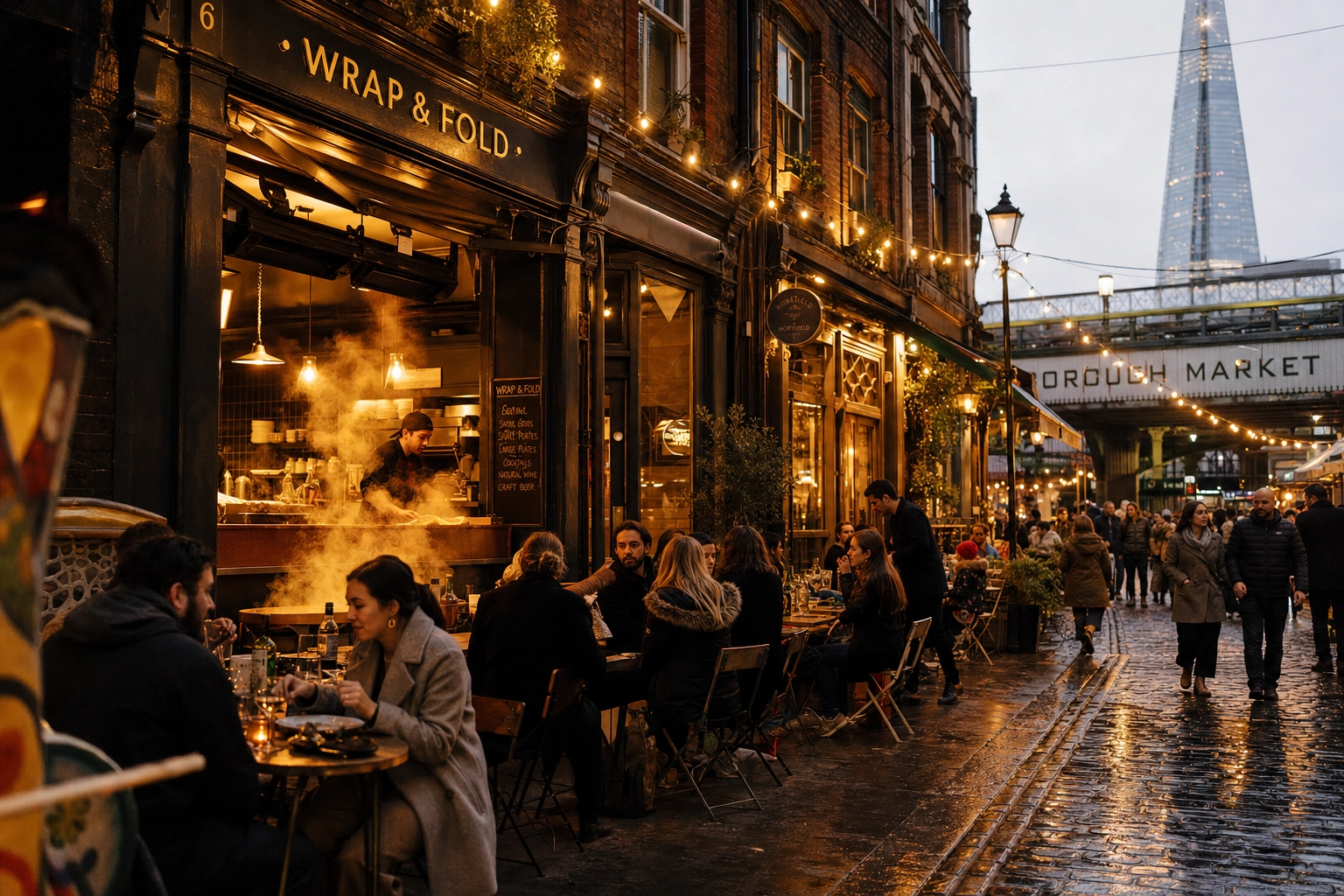
Need a food photographer London restaurants can actually book without the £2,000 session fees? You'll find world-class talent across the capital. Queens Park studios. Shoreditch lofts. Bermondsey daylight spaces. Hackney warehouses. London has more food photographers per square mile than just about any other city in Europe, and the work coming out of those studios is genuinely brilliant.
But the realities of booking one are tough. £350–£2,000+ session fees. Two-to-four-week booking timelines. Mandatory studio rental from October through March. An £18 Congestion Charge on every Zone 1 quote. That's why many London restaurant owners are quietly switching to a faster, cheaper way to get menu-ready food photos.
Quick Summary: Food photographer London rates run £350–£2,000+ per session. All-in production costs reach £1,500–£5,500+ once you add studio rental, food styling, props, retouching and Zone 1–2 logistics. FoodShot AI delivers studio-quality food photography from a phone snap in 90 seconds, starting at $15/month (~£12/mo). That's a 95%+ cost reduction with no studio booking, no Congestion Charge, and no waiting for the British weather.
The Food Photographer London Landscape
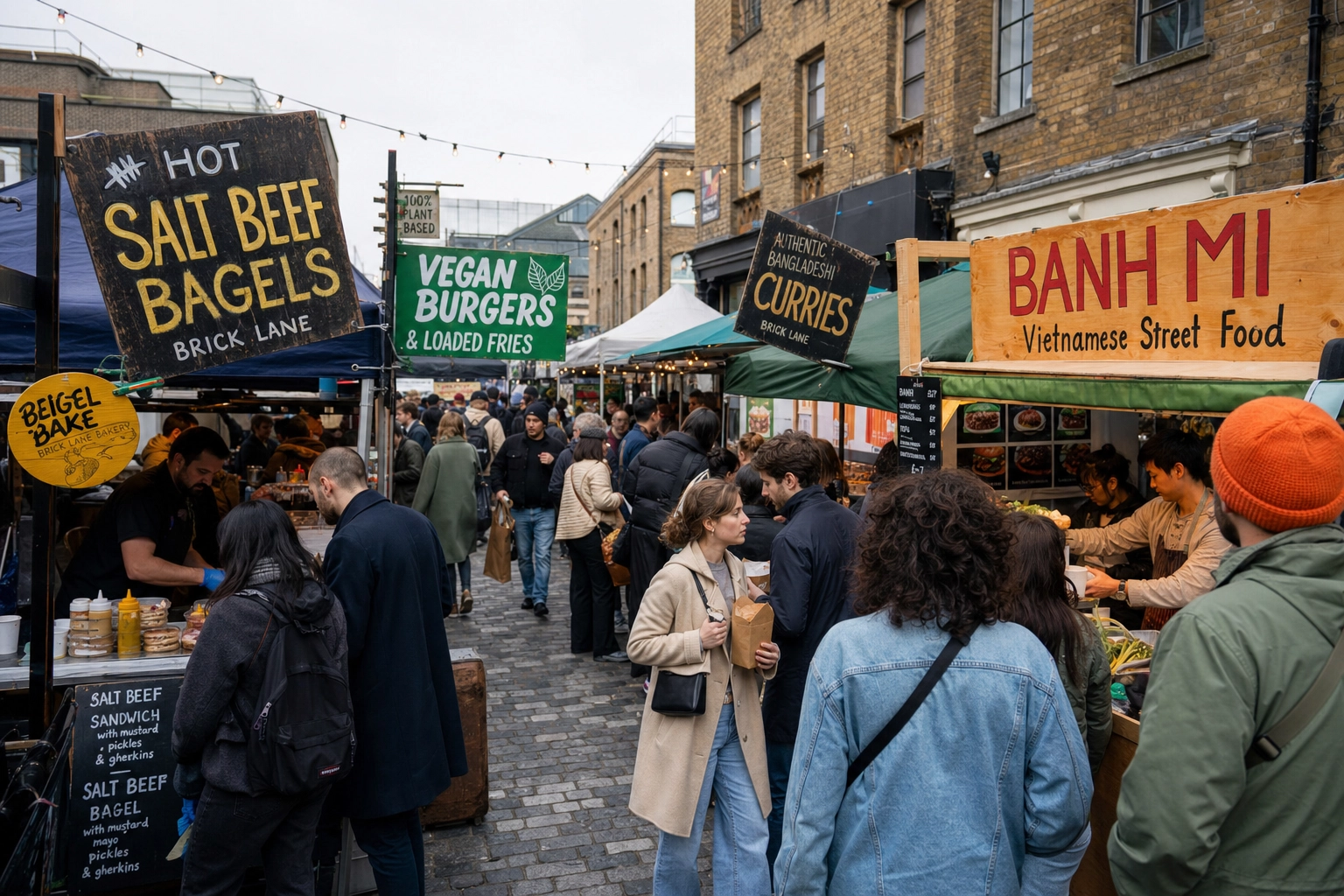 Brick Lane Sunday food market with multiple food stalls and customers showing London street food density
London is home to roughly 11,400 restaurants as of 2025. There are also 22,300+ licensed pub, bar and restaurant sites across the capital. Most are concentrated in Westminster, Camden, Tower Hamlets and the City of London. Throw in cafes, bakeries, food trucks, dark kitchens and pop-ups, and you have one of the densest food economies on the planet. All fighting for the same eyeballs on Deliveroo, Uber Eats, Just Eat, Instagram and Google.
The market is moving, too. According to Harden's London Restaurants 2026, the capital's restaurant scene is "closer to boom than gloom." Opening rates mirror the start of a cycle, not the end of one. Lumina Intelligence forecasts the UK foodservice delivery market to hit £14.8bn in 2026, with London consumers driving a disproportionate share of demand.
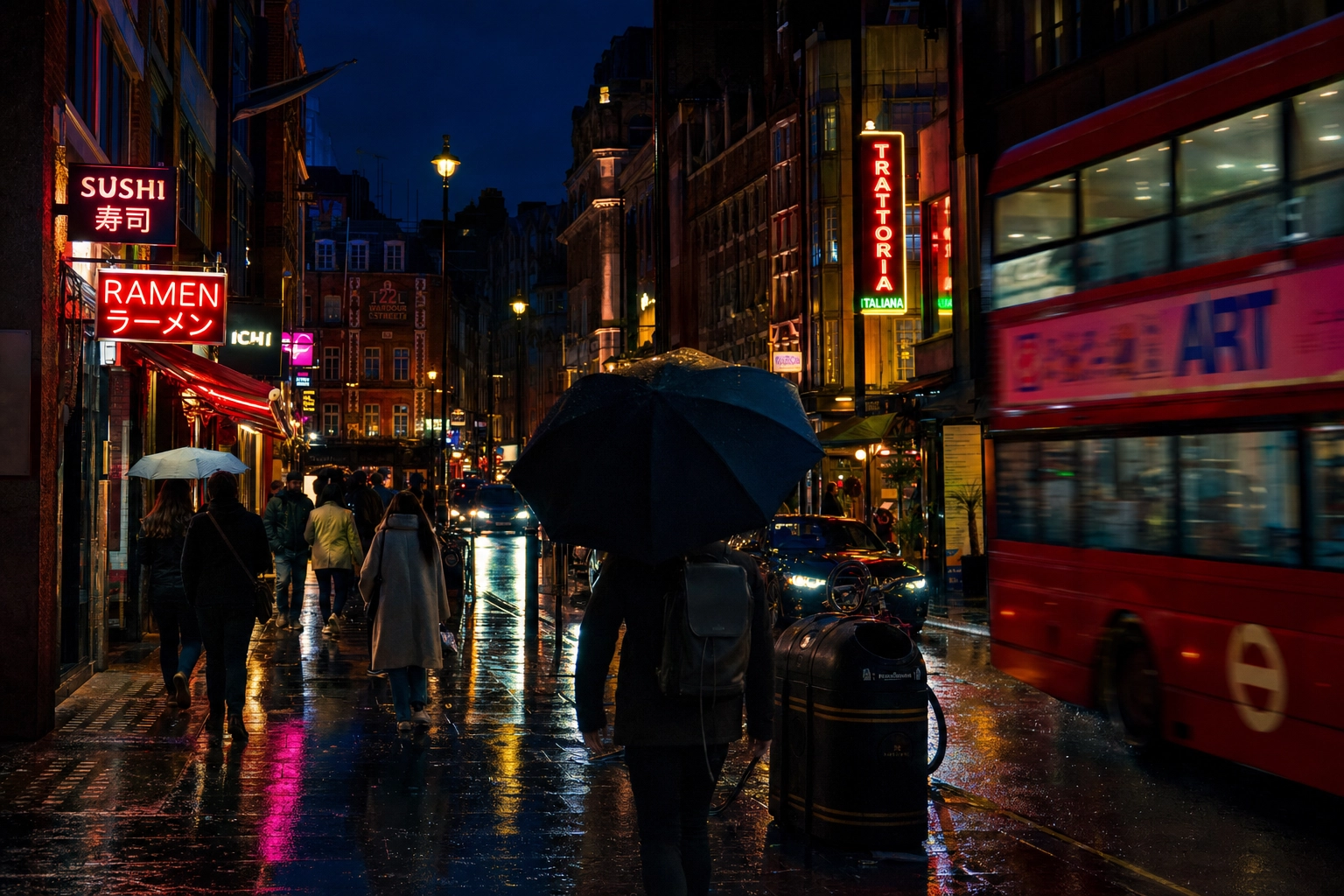 Rainy Soho London street at night with restaurant neon signs reflecting in wet pavement showing capital food scene
Every restaurant on Old Compton Street, Brick Lane, Stoke Newington and the King's Road needs a fresh food photographer London-side. And they need one constantly. New specials. Seasonal menus. Pride brunches. Veganuary launches. Summer terrace shots. Autumn comfort food. Christmas tasting menus. Boxing Day leftovers reinvented as small plates.
A food photographer London hospitality operators can actually book? Not in short supply. Established names charge premium rates and earn them. But booking the right one at the right time, paying for studio days in Zone 1, and waiting two to four weeks for edited files has become its own competitive sport. Demand for a reliable food photographer London-wide far outstrips the calendar most established names will commit to. That's why so many operators are now looking for help from AI-powered alternatives that can keep pace.
What London Food Photographers Actually Charge
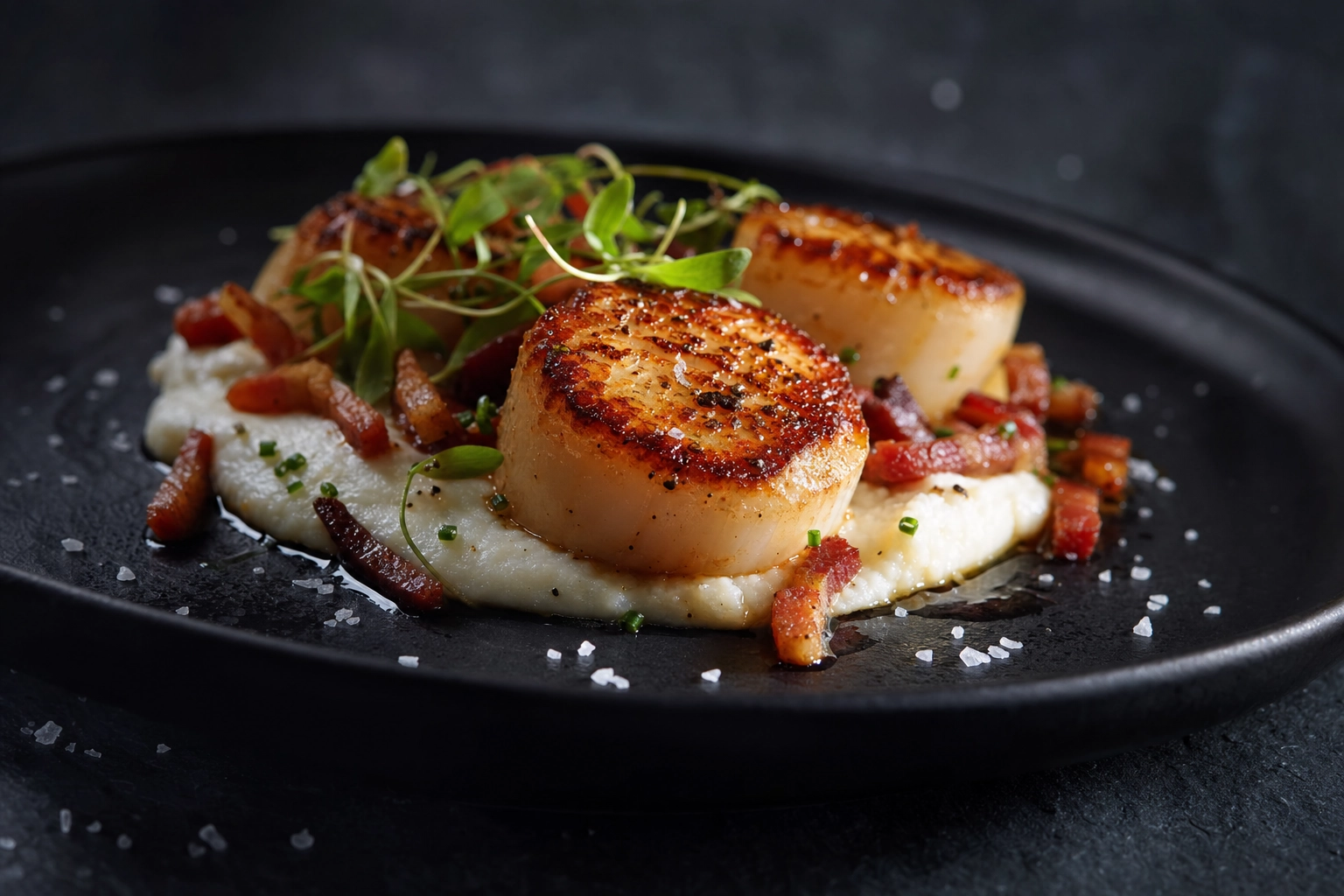 Editorial close-up of pan-roasted Scottish scallops on matte black plate showing premium London food photography quality
Food photography London pricing typically runs 25–40% above the UK national average. Two reasons. First, studio dependency — the British weather doesn't cooperate eight months of the year. Second, the cost of operating in central London: Zone 1–2 studio rental, Congestion Charge, ULEZ, parking restrictions. Most experienced London food photographers fold these into the day rate whether they show as separate lines on the invoice or not.
Here's what a typical professional food photography shoot actually costs in London once everything is included:
| Cost Component | London Range |
|---|---|
| Photographer session fee (4–8 hours) | £350–£2,000 |
| Food stylist | £200–£450/day |
| Prop stylist | £200–£500/day |
| Studio rental (Zone 1–2, with kitchen) | £150–£400/hour |
| Props, surfaces, groceries | £50–£200 |
| Post-production and retouching | £150–£400 |
| Travel surcharge / Congestion Charge / ULEZ | £15–£75/day |
| Total per shoot | £1,500–£5,500+ |
For a deeper national breakdown, see our restaurant food photography guide.
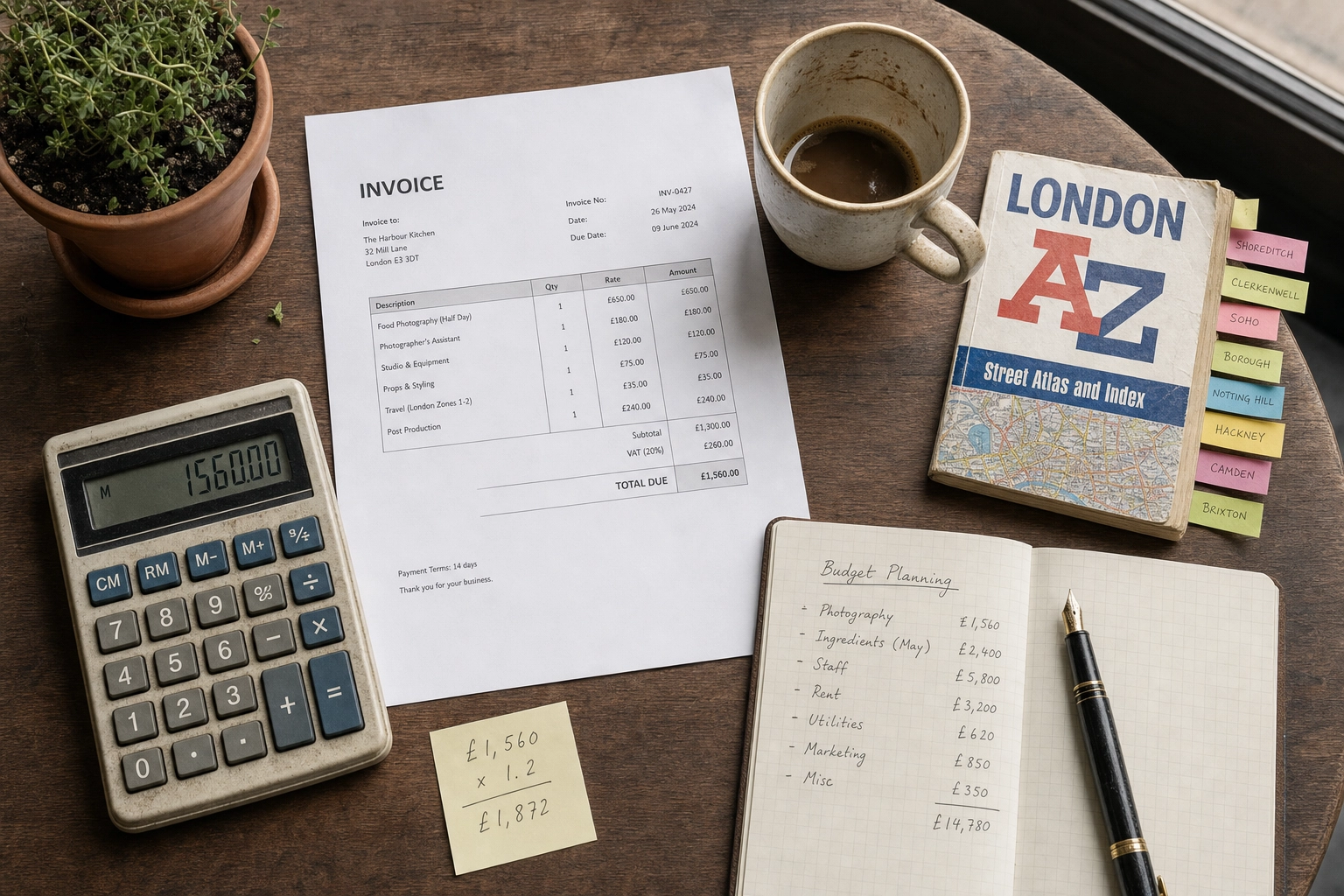 London restaurant owner desk with invoice and calculator showing food photography cost analysis and budget planning
Published benchmarks from working London photographers put half-day shoots at £350–£900. Full-day shoots run £500–£1,500. That's the accessible mid-tier. Premium editorial food photographer London rates with national-brand clients sit at £1,500–£3,500+ per day. Top-tier advertising specialists can quote £2,000–£5,000+ before you've even rented a studio.
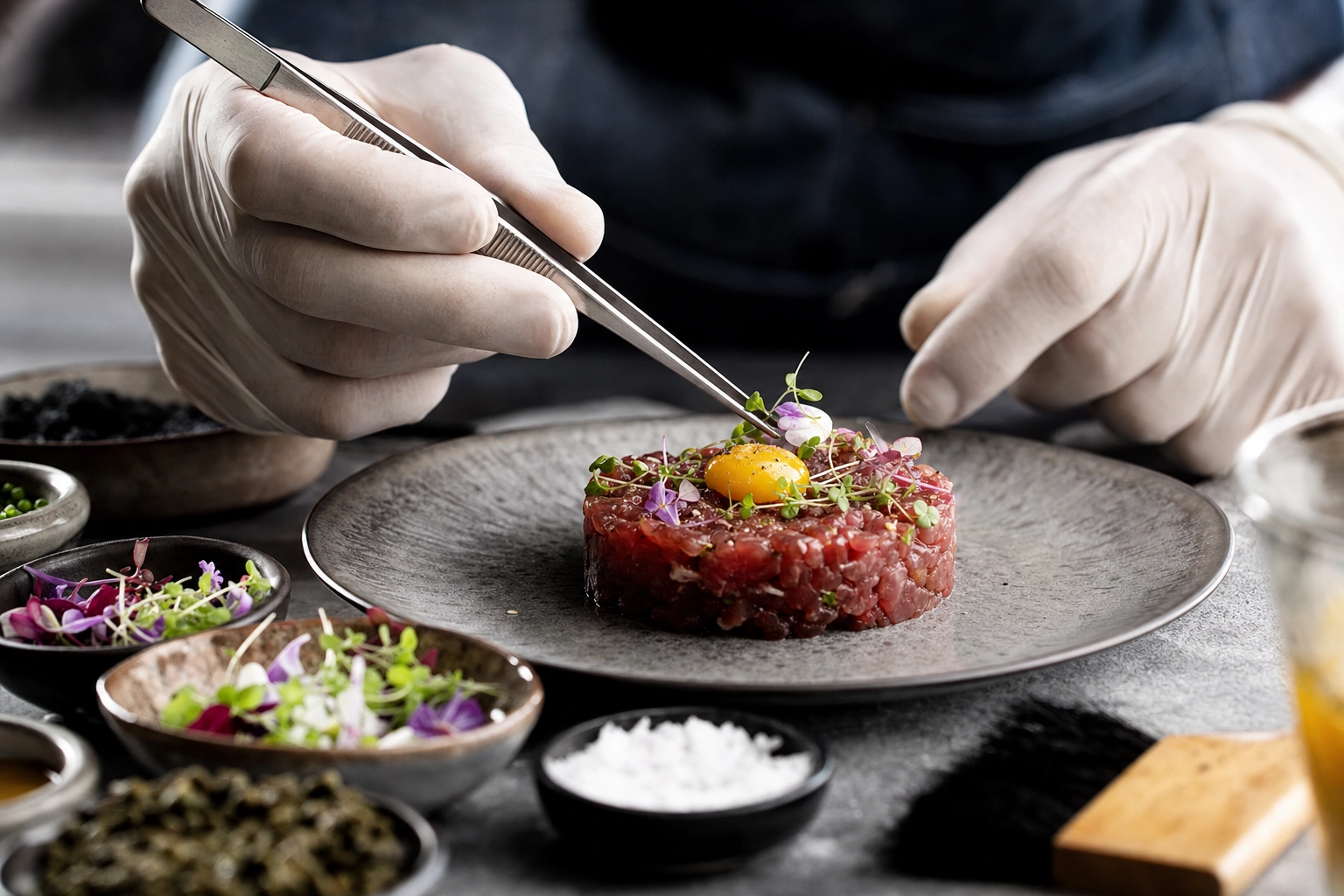 Close-up of food stylist hands placing micro herbs on beef tartare showing the craft of professional London food styling
Most London restaurants need fresh photography 3–4 times a year. Seasonal menu changes. Delivery platform refreshes. Social media content. One-off shots for new specials, collaborations and PR moments. That puts the realistic annual photography spend at £6,000–£22,000+. And that's before counting the new specials menu that launches three weeks after your last shoot. For more on what's actually included in those quotes and how to enquire properly, our menu photoshoot planning guide walks through every line item.
Best Food Photographer London: Rates, Specialties, and Availability
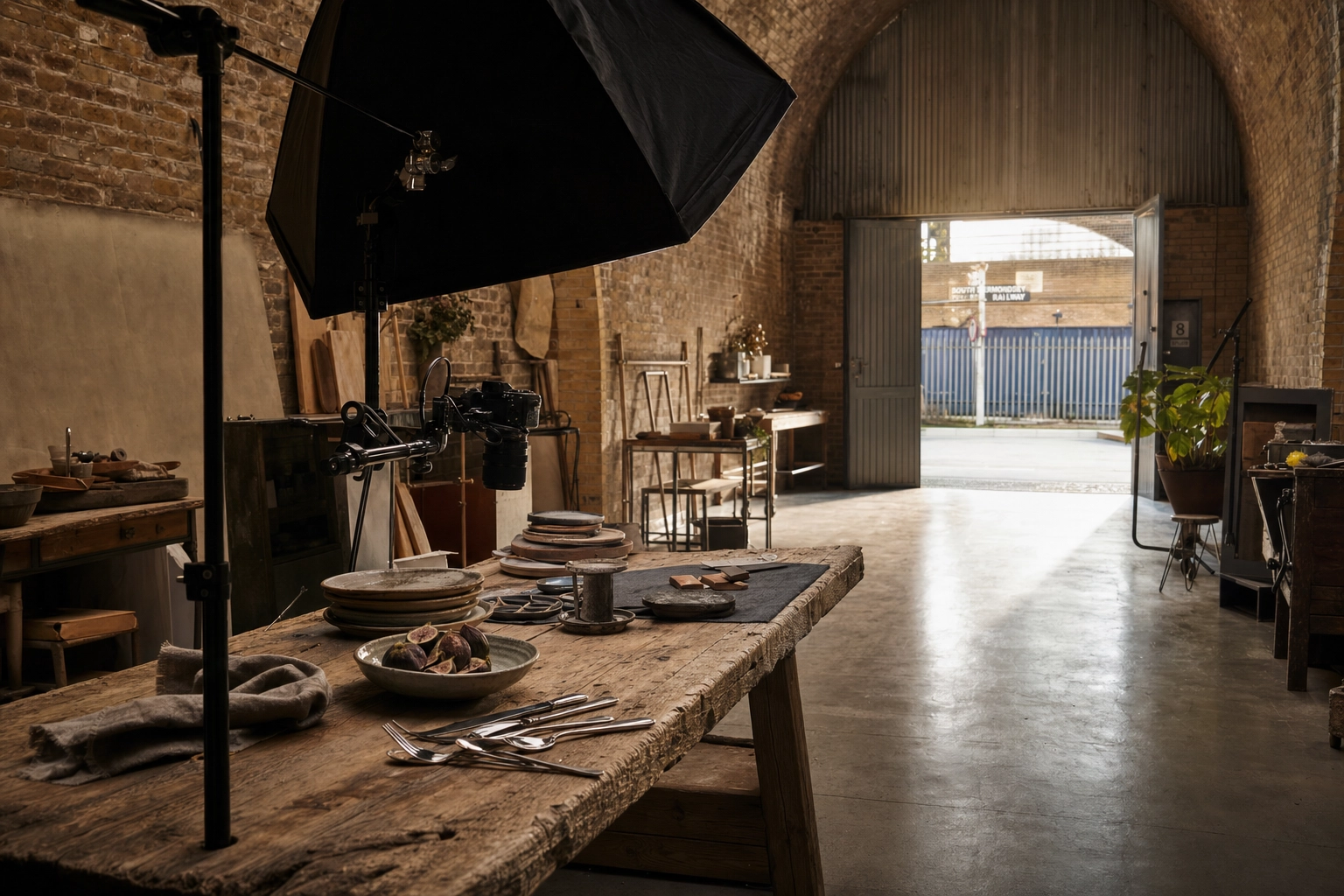 Inside a real London food photography studio in a Bermondsey arch with softbox and tethered camera setup over a styled prop table
The food photographer London scene is genuinely deep. There's a professional for every brief, from cookbook hero shots to packshots for Waitrose, Tesco, Sainsbury's and Ocado. Here are some of the most established food photographers working in the capital, with publicly-available rate ranges and typical lead times:
| Photographer | Specialty | Typical Rate Range | Notable Clients | Booking Lead Time |
|---|---|---|---|---|
| Jamie Orlando Smith | Editorial, advertising, cookbooks (ex-chef) | £1,500–£3,500+/day | Financial Times Magazine, Sunday Times Magazine, Penguin Random House, Waitrose Food, Olive Magazine | 4–8 weeks |
| Jonathan Gregson | Award-winning advertising, packaging, editorial | £2,000–£5,000+/day | Major UK supermarket and brand campaigns (Waitrose, Tesco, M&S) | 4–8 weeks |
| Sid Ali | Bold graphic advertising, packaging, editorial | £1,500–£3,000+/day | Advertising agencies and packaging brands | 3–6 weeks |
| Hikaru Funnell | Commercial brand and restaurant work, custom set builds | £1,200–£2,800/day | Brands, restaurants, hospitality groups | 3–6 weeks |
| Charlie Bard (I Make You Hungry) | Restaurants, brands, cookbooks (ex-chef) | £800–£2,000/day | Ocado, Sainsbury's, Tesco, Hard Rock Cafe, Pasta Evangelists | 2–4 weeks |
| Jennifer Cauli | Restaurant menus, packshots, editorial | £350–£1,500 (half/full day) | London restaurants, Alphonso Mango, editorial | 1–3 weeks |
| Nic Crilly-Hargrave | Food, lifestyle, chef portraits, travel | £700–£1,500/session | Magazines (Olive, BBC Good Food) and brand clients | 2–4 weeks |
| Raccoon London (agency) | Full-service food, drinks, hospitality | £2,000–£6,000+/day all-in | Waitrose, Fortnum & Mason, Dishoom, Soho House, Harrods | 2–5 weeks |
Note: Rates are estimated ranges based on publicly-available pricing pages, market research and industry benchmarks. Actual quotes vary by project scope, usage rights, deliverables and licensing terms. Always enquire directly for a current quote. Many food photographers in London use licensing models where the final figure depends on where and how the images will be used.
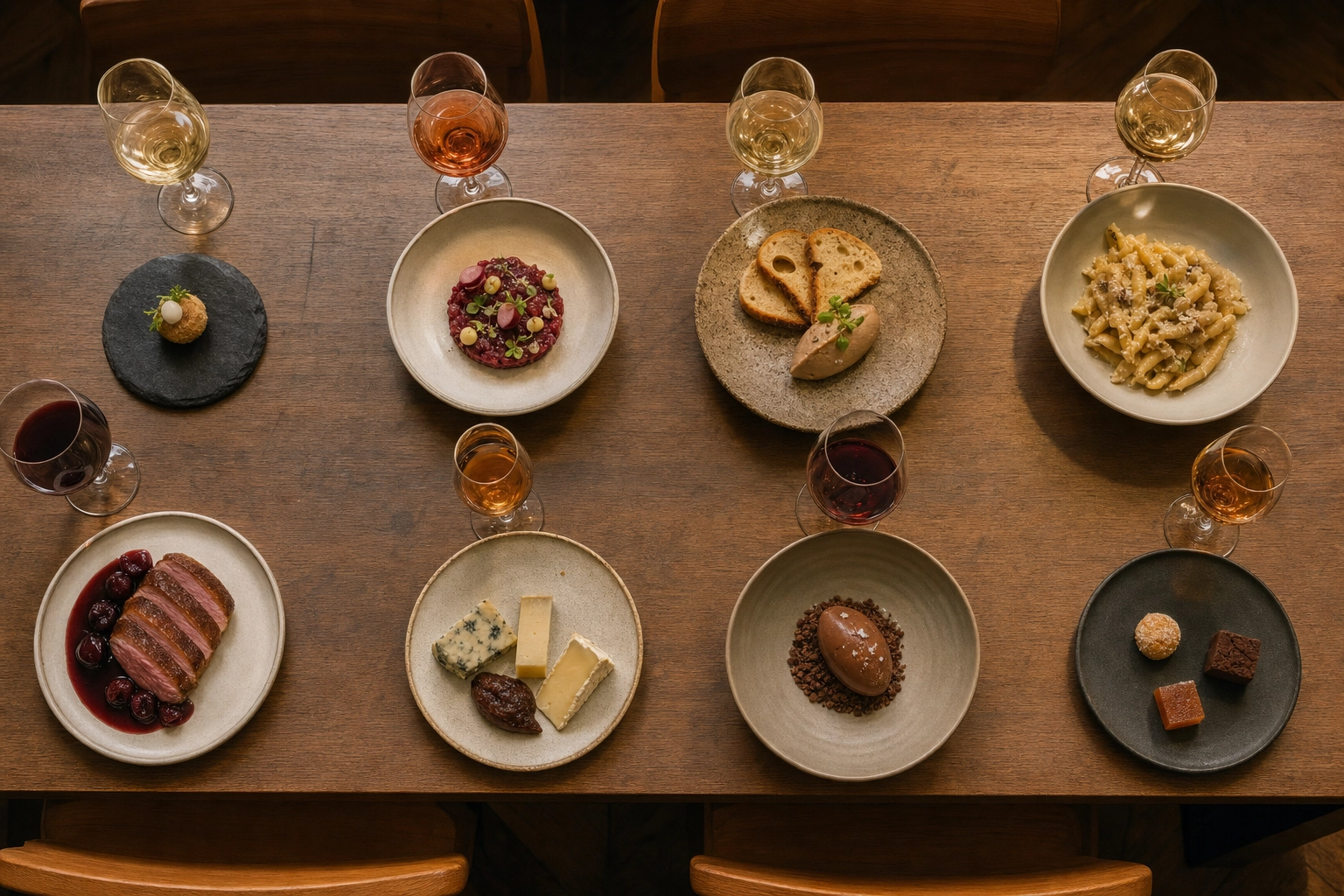 London tasting menu progression with eight plated courses showing fine dining photography needs
This is exceptional talent. Are you launching a flagship Mayfair restaurant? Building a cookbook with Bloomsbury Publishing? Shooting a campaign for Waitrose, Tesco or another major supermarket? Hiring one of these food photographers in London is worth every pound. The work has staying power. It gets your brand into the Sunday Times Magazine, Olive Magazine and Observer Food Monthly. And it produces images that hold up at billboard scale on the Old Street roundabout.
But for the other 80–90% of your photography needs, booking a food photographer London-wide is slow, expensive and often overkill. Daily Deliveroo updates. Fresh specials hitting Instagram on Friday. Seasonal menu refreshes for the website. Lifestyle shots for the Mailchimp newsletter. None of these justify a £1,500 day rate.
Why London Restaurant Owners Struggle With Traditional Food Photography
Beyond the basic cost, four problems hit London restaurant owners harder than almost any other market. Some are climate. Some are geography. Some are uniquely London.
The British weather problem
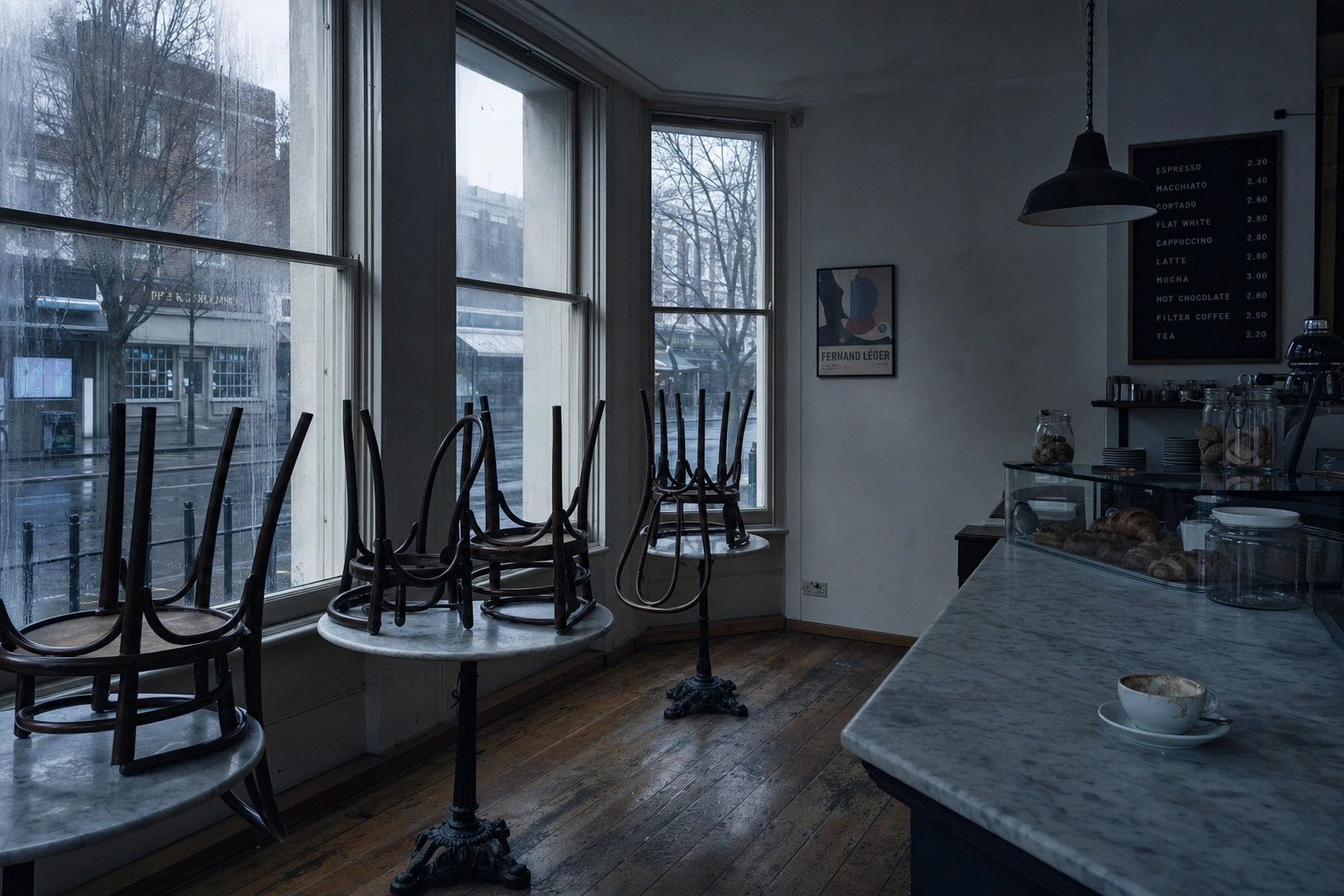 Dim empty London cafe interior at 3pm in December showing the limited winter daylight challenge for food photography in the UK
London gets just 7 hours and 50 minutes of daylight at the December solstice according to Time and Date's official sunrise/sunset data. The sun barely climbs 15° above the horizon between October and February. On a heavily clouded winter afternoon, it can be functionally dark by 3pm. Unlike Los Angeles, Sydney or Singapore, London studios are a near-requirement from October through March.
That's why the £150–£400/hour studio rental line isn't optional for most professional food photography shoots in the capital. It's baked into the food photographer London rate, whether it shows up as a separate line on the quote or not. Restaurants budgeting for an autumn relaunch should assume studio time is part of the cost from the moment the shoot is on the calendar.
Compact London kitchens and tight footprints
Many London restaurants live in Victorian or Edwardian buildings. Narrow Soho frontages. Basement kitchens in Covent Garden. Bermondsey arches with no natural light. Terraced Hackney conversions where the kitchen is genuinely the size of a fitted wardrobe. Professional food photography typically needs a clear 3×3 metre floor space for the shooting table, lighting rig, prop area and tethered laptop. That's a serious ask in a Hoxton bistro.
Some London restaurants end up shutting down a full lunch service to host a half-day shoot. They lose covers (and revenue) in exchange for menu photos. That hidden cost rarely appears on a photographer's quote, but it shows up on the P&L.
Hidden Zone 1–2 logistics costs
From 2 January 2026, the daily London Congestion Charge rose from £15 to £18. Transport for London confirmed this is the first increase since 2020. ULEZ adds another £12.50/day for non-compliant vehicles. And critically, electric vehicles lost their full Congestion Charge exemption on the same date. EVs registered with Auto Pay now pay a discounted £13.50, not zero.
For photographers transporting lighting kits, backdrops, prop boxes and assistants into Zone 1, those charges add up fast. They usually appear quietly on quotes as a "travel fee," parking surcharge, or equipment transport line. But the cost ends up in your invoice either way. Add tunnel charges (Blackwall, Silvertown) for shoots involving photographers based south of the river. A single Bermondsey-to-Marylebone job picks up its own little pile of admin charges before anyone has plated a dish.
The speed and consistency gap
The UK retail calendar is compressed and unforgiving. Eight Bank Holidays. Veganuary in January. Pancake Day. Mothering Sunday. Easter weekend. May half-term. Pride. Wimbledon strawberries. Summer terraces. Notting Hill Carnival. Sunday roasts every weekend. Bonfire Night small plates. Christmas tasting menus from mid-November. Boxing Day brunch. New Year's Eve set menus. Then back to Veganuary.
Each one is a content moment. Each one needs fresh food photography. And the food photographer London restaurants want to book is usually already on a job for someone else. Sometimes for a competitor on the same street.
Then there's the consistency problem. Over two years, a London restaurant might cycle through three different photographers. One for the opening. Another for the autumn menu. A third for a delivery refresh. Each brings different equipment, different colour grading, different styling habits. Your Borough Market deli ends up with a Deliveroo feed that looks like it came from three different brands.
The AI Alternative: Studio-Quality Food Photos in 90 Seconds
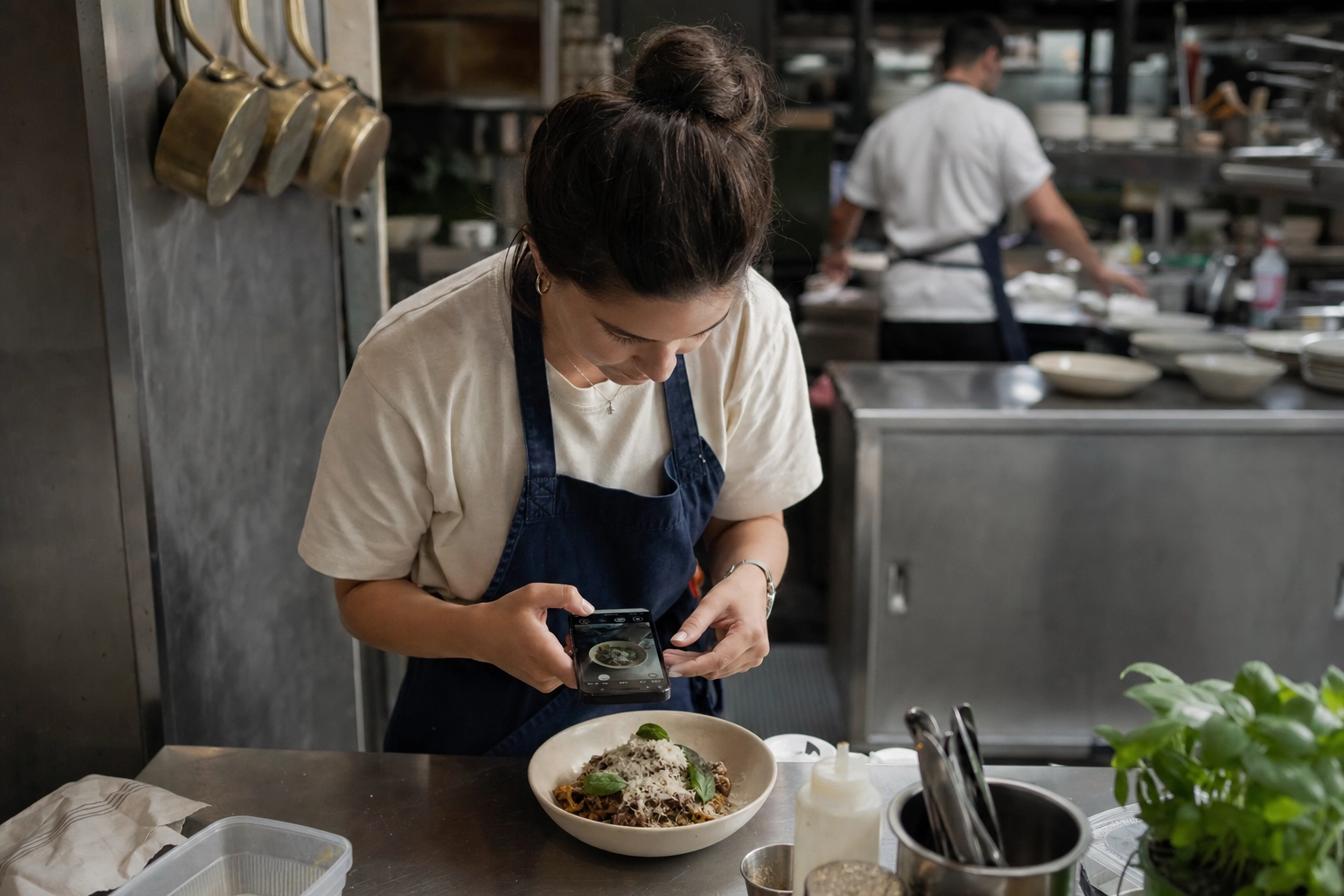 Restaurant manager photographing a plated London dish with smartphone for AI food photography in a working open kitchen
FoodShot AI was built specifically for this problem. Not as a generic AI image generator, but as a purpose-built food photography tool that transforms any smartphone food photo into professional, platform-ready images. It enhances real food photos. It doesn't fabricate fake dishes from a text prompt. That distinction matters when you're uploading to Deliveroo, where accurate representation is a published requirement.
Here's how it works for a London restaurant operator:
- Snap a photo of your dish with your iPhone or Android. No lighting setup, no studio, no food stylist required.
- Choose a style from 200+ presets. Delivery (optimised for Deliveroo, Uber Eats, Just Eat). Menu. Fine Dining. Cafe. Bar & Lounge. Plus seasonal collections for Christmas, Easter and Pride.
- Download your professional photo in about 90 seconds. Ready for your menu, website, delivery platforms, social channels or in-store screens.
 Notting Hill London bakery counter with croissants and pastries showing high-frequency cafe photography needs
Beyond simple style presets, FoodShot includes:
- Builder Mode — compose background + plate + dish from scratch when you don't have a great starting photo
- My Styles — upload reference photos so every shot matches your brand's visual identity across hundreds of images
- Multi-variation generation — produce 4–6 different framings, angles and styles from a single phone snap
- Prompt editing — describe changes in plain English ("warmer light, add steam, swap the chips for triple-cooked")
- Poster Mode — drop your dishes into 50+ marketing templates for social ads, A-frames and menu boards
- 4K resolution output with commercial license included on every paid plan
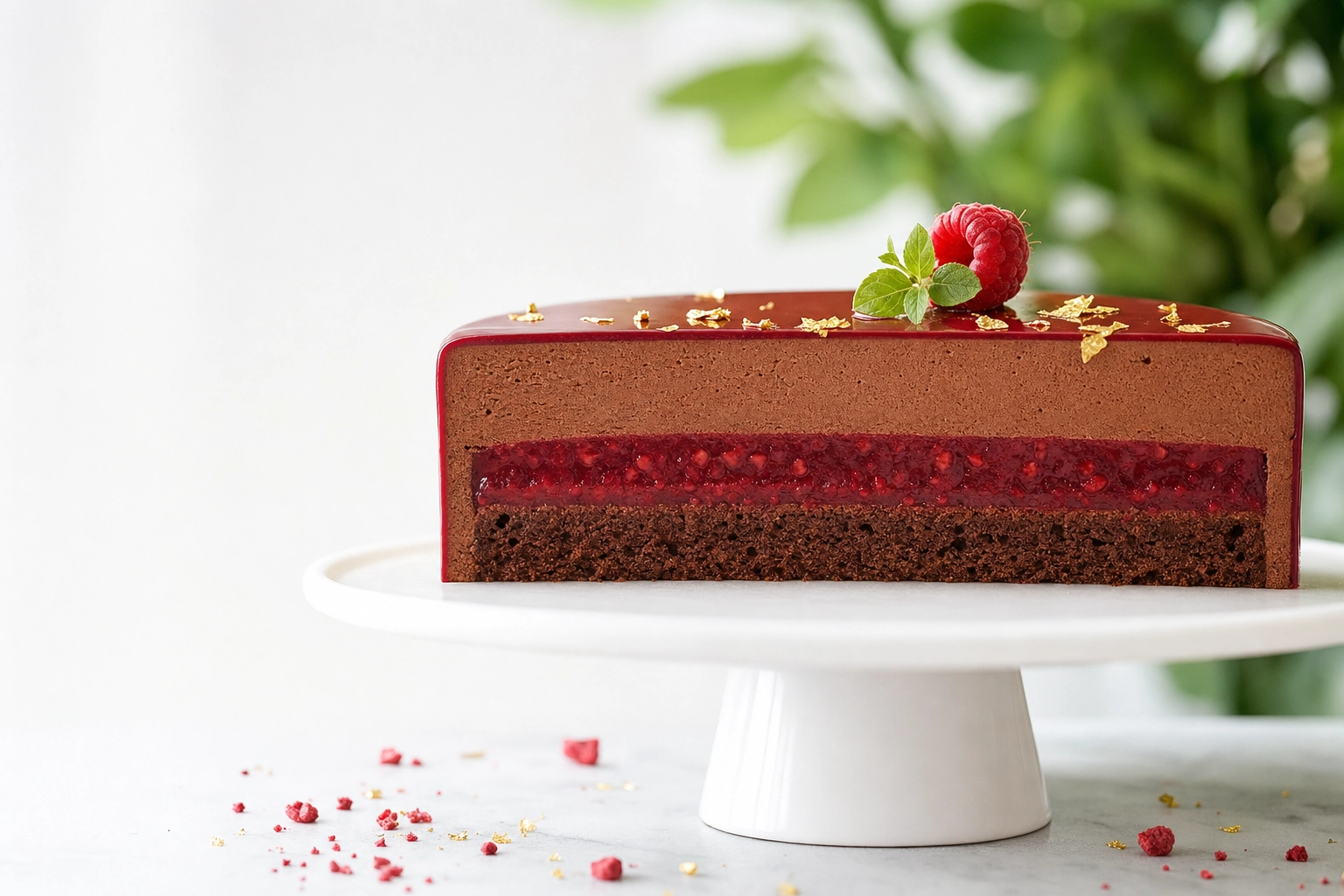 Layered raspberry chocolate entremet dessert showing high-end London patisserie photography needs
Pricing in pounds is straightforward. Starter sits at $15/month (~£12/mo) for 25 credits. You get the full 200+ style library, Builder Mode, custom uploads, Poster Mode and commercial rights. Pay annually and that drops to $9/mo (~£7/mo) billed yearly. The Business plan at $45/mo (~£36/mo) covers 100 credits. That's enough for most independent London restaurants to handle every menu refresh, special and Bank Holiday campaign in-house. See FoodShot AI pricing plans for the full breakdown.
For tips on getting the best starting photos from your phone, see our guide to iPhone food photography tips.
Food Photographer London vs. FoodShot AI: The Full Comparison
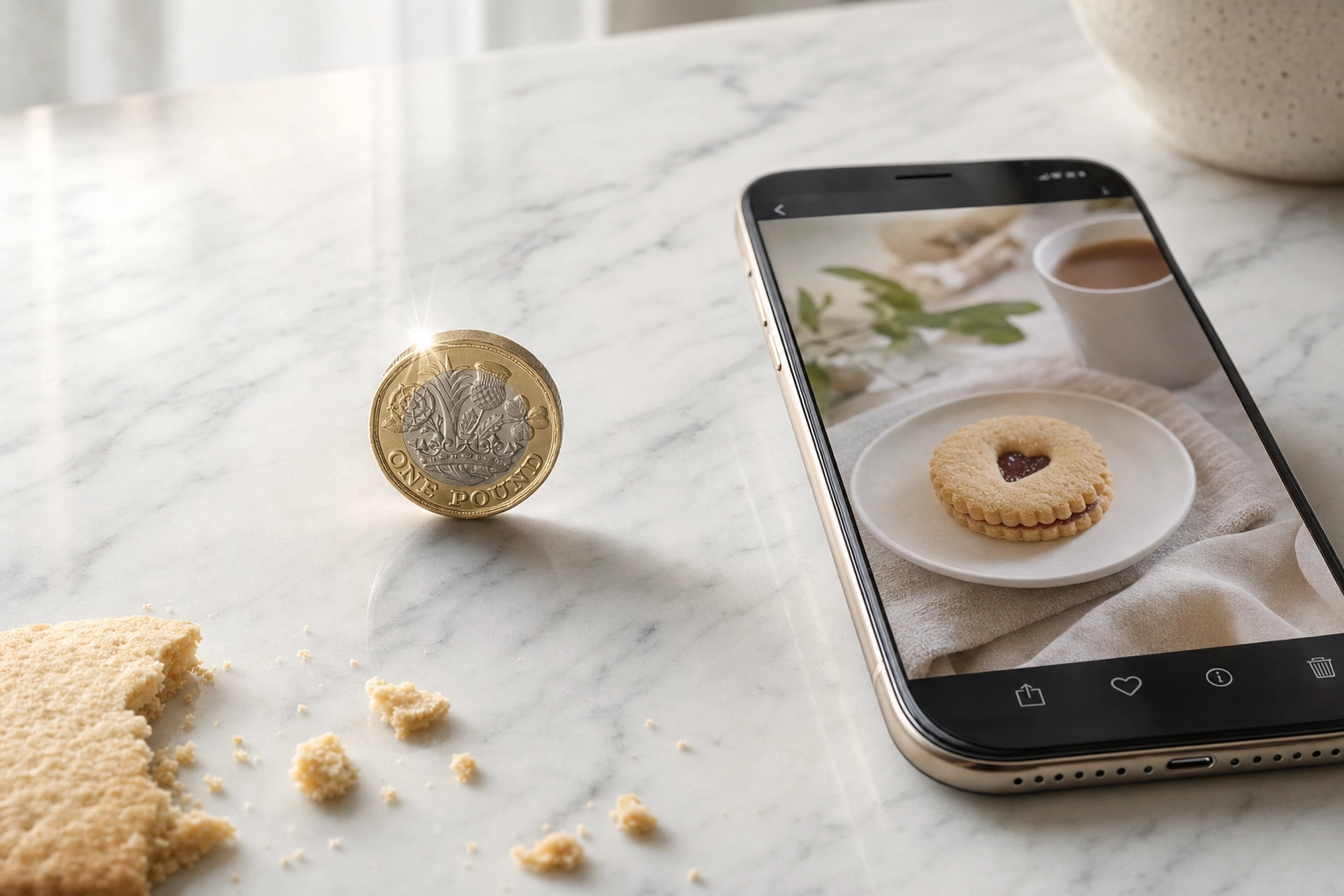 Conceptual still life of a British pound coin and smartphone food photo representing cost savings of AI food photography for London restaurants
Here's what each option delivers for a London restaurant operating in 2026:
| London Food Photographer | FoodShot AI | |
|---|---|---|
| Cost per session | £350–£2,000 (photographer only) | $15–$99/month (~£12–£79, all-inclusive) |
| All-in cost per shoot | £1,500–£5,500+ | Included in subscription |
| Cost per image | £30–£200+ | ~£0.40–£0.55 |
| Time to first photo | 2–4 weeks (booking + shoot + edit) | ~90 seconds |
| Images per session/month | 15–50 per shoot | 25–250/month (plan-dependent) |
| Style consistency | Varies by photographer and studio | Uniform across all images via My Styles |
| Menu change turnaround | Days to weeks | Same day |
| Studio rental required | Yes (Oct–March effectively mandatory) | No |
| Congestion Charge / ULEZ overhead | Often added as travel fee | None |
| Commercial license | Often charged separately or licence-based | Included on all paid plans |
| Works with phone photos | No (needs pro equipment) | Yes (designed for it) |
| Bulk processing | Manually scheduled | 5-at-a-time on Scale plan |
The annual math is dramatic. A London restaurant updating food photos quarterly spends £6,000–£22,000+ per year with traditional photographers. The same restaurant on FoodShot's Business plan (~£36/mo) spends roughly £430/year. You get the freedom to generate fresh images the moment a new dish hits the pass. That's a 95–98% cost reduction with zero booking calls, zero studio days and zero Congestion Charge surprises on the final invoice.
For a deeper analysis of how this plays out across delivery, menus, social and PR, see our breakdown of food photography for restaurants — DIY vs pro vs AI.
How London Restaurants Use AI Food Photography
The switch from traditional food photography to AI makes the biggest impact on the ongoing, daily photo needs that every London restaurant faces. Not the once-a-year cookbook shoot. The constant content cadence demanded by delivery platforms, Instagram, seasonal menus and PR.
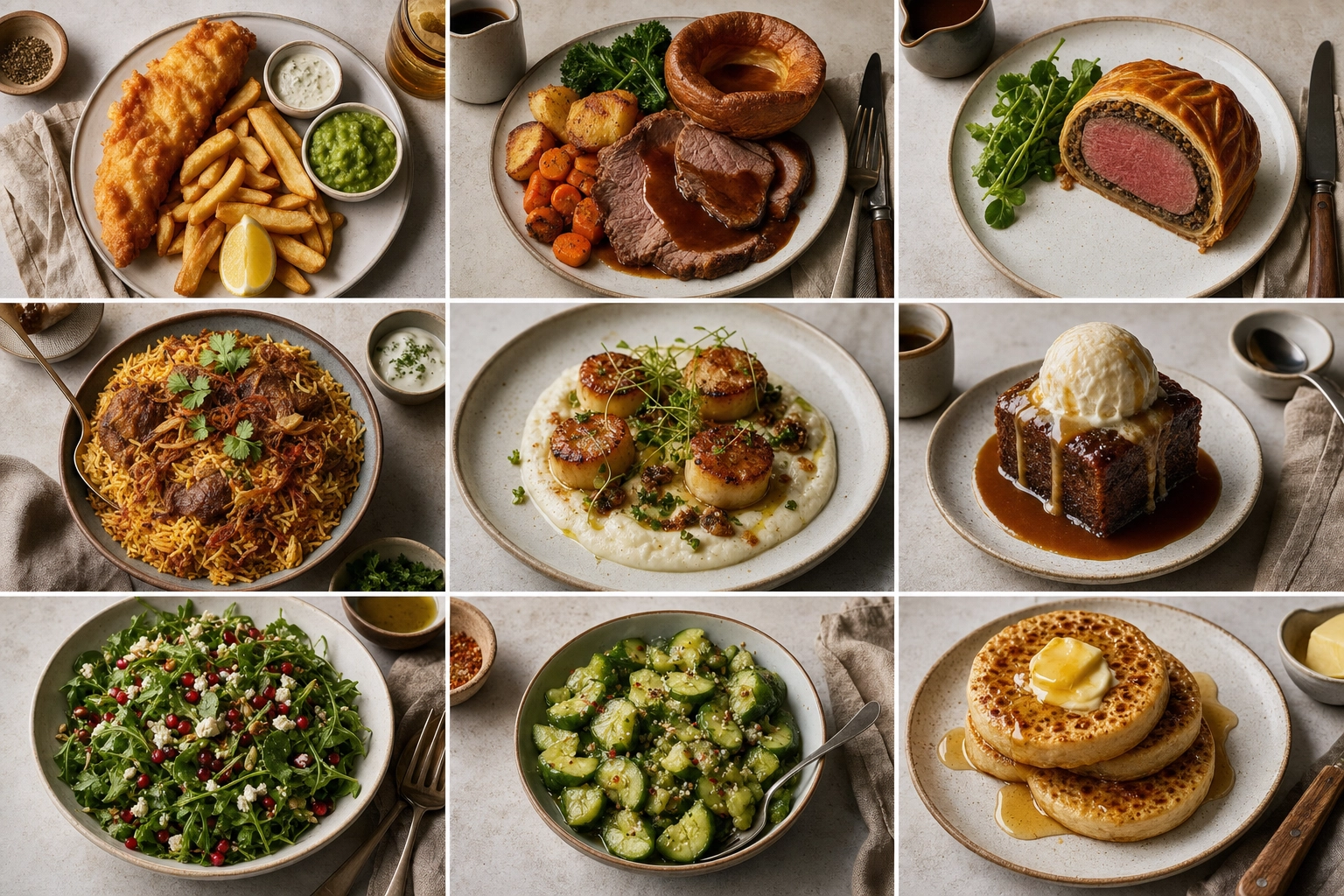 Grid of nine consistently styled British food photos showing brand visual consistency across menu items for London restaurants
Deliveroo, Uber Eats and Just Eat menu listings
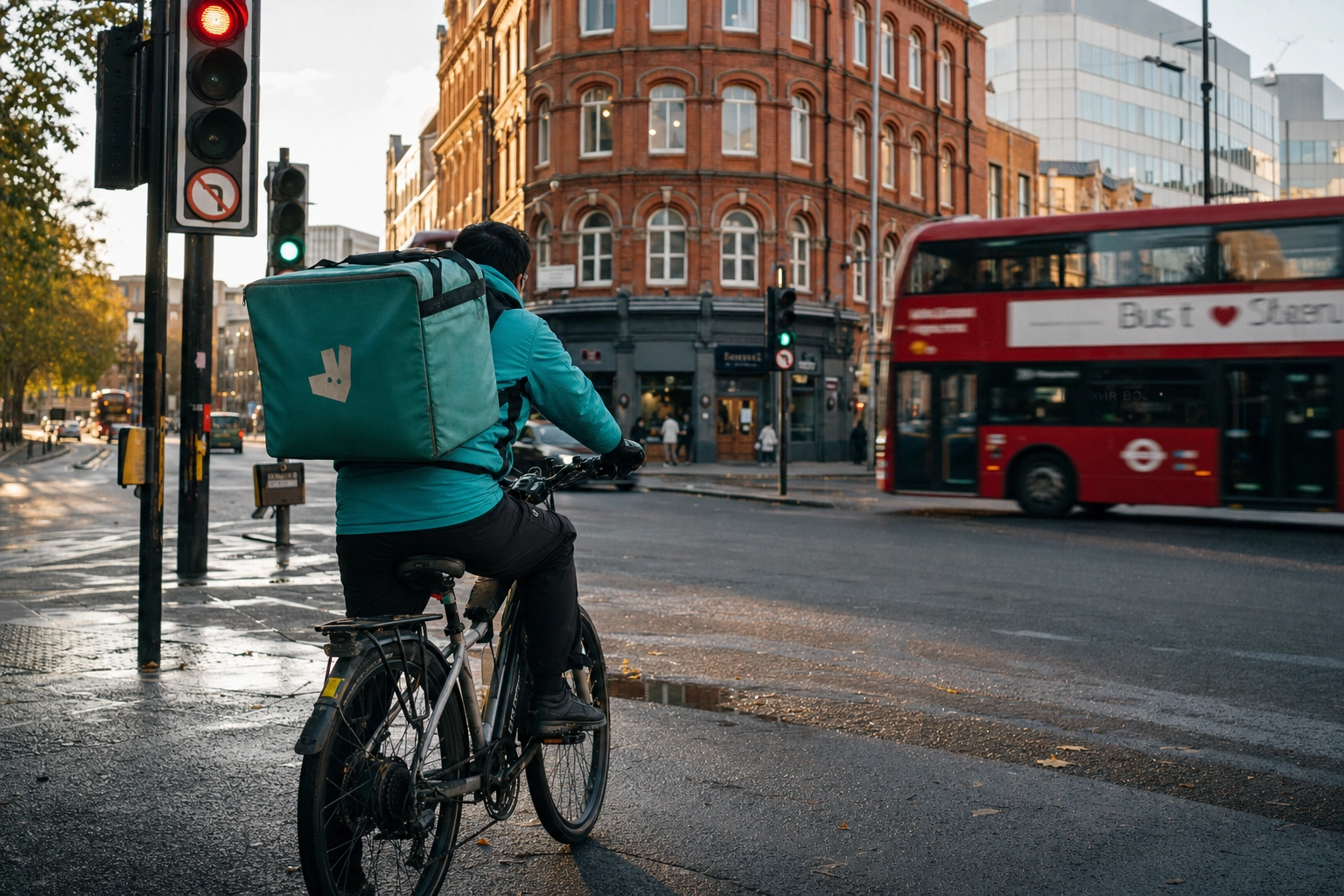 London food delivery courier on electric bike on a city street at golden hour representing Deliveroo Uber Eats and Just Eat economy
Deliveroo's own data, referenced in their image guidelines, shows that restaurants with photography on their menu can boost overall orders by 20–30%. Independent research from Deliveroo and industry analysts puts the uplift closer to 25% for hero images that pass review on first submission.
The platforms each have their own specs:
- Deliveroo requires hero images in 16:9 ratio at minimum 1920×1080. Menu items in 3:2 at minimum 1200×800. JPEG or PNG only. No text or watermarks. One dish per photo. Accurate representation of what the customer receives.
- Uber Eats is the UK market leader in 2024 at 27.2% share. It uses similar specs with its own aspect-ratio preferences.
- Just Eat holds 25.2% of the UK market and accepts most standard food photography aspect ratios.
- Deliveroo holds 16.2% but skews premium. It's the dominant choice in Zone 1–2.
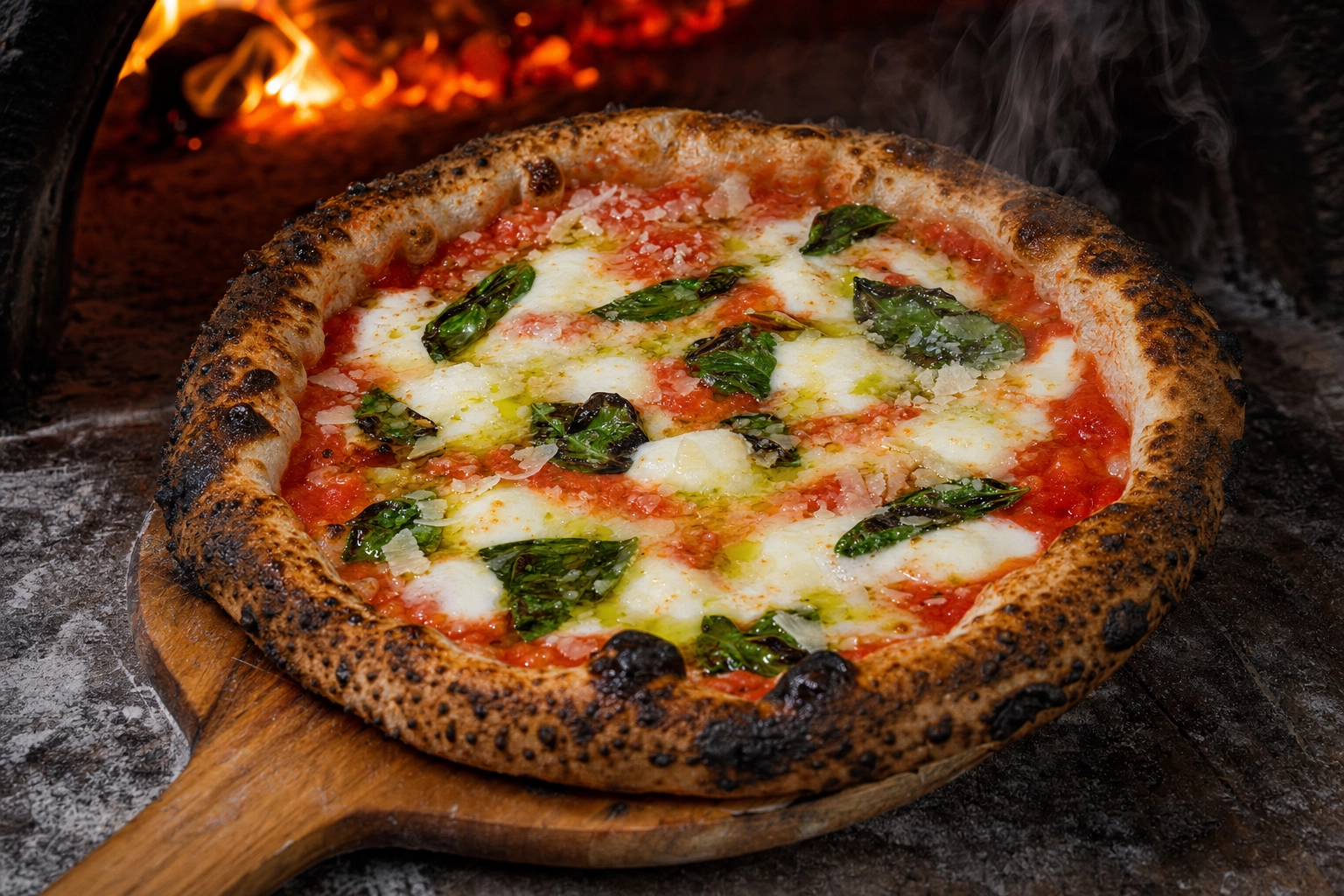 Wood-fired Neapolitan margherita pizza fresh from oven showing London pizzeria menu photography needs
FoodShot's Delivery style preset is built around these specs. Proper aspect ratios. Clean backgrounds. The dish centred and clearly recognisable. No banned elements. Whether you're a Soho pizzeria refreshing fifty menu items or a Brick Lane curry house cycling daily specials, the same workflow scales.
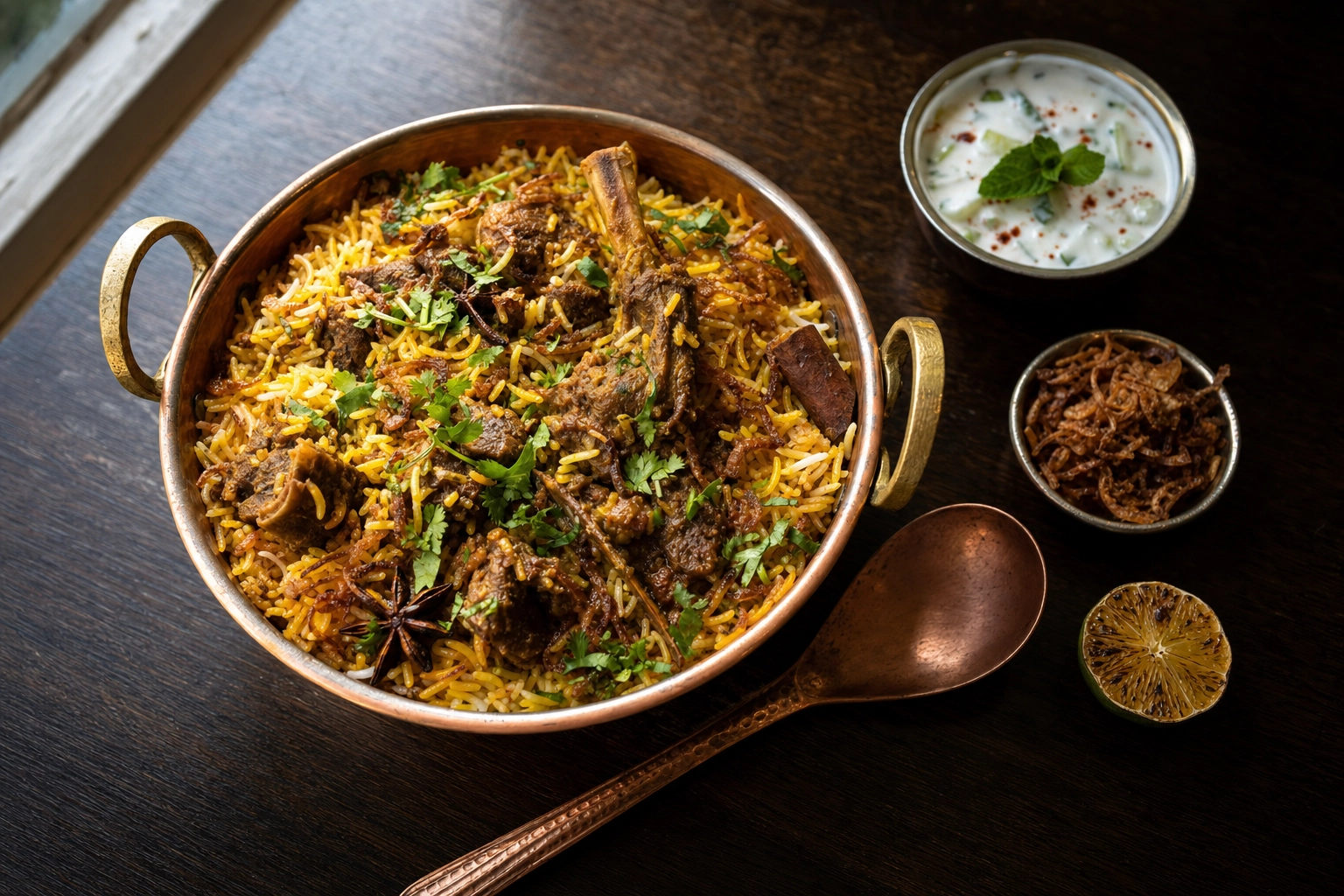 Lamb biryani in copper handi pot showing Brick Lane Indian restaurant photography style for London menus
For the full process on getting menu photos approved across all three platforms, see our AI food photography for delivery apps guide.
Instagram and TikTok content for the London cafe scene
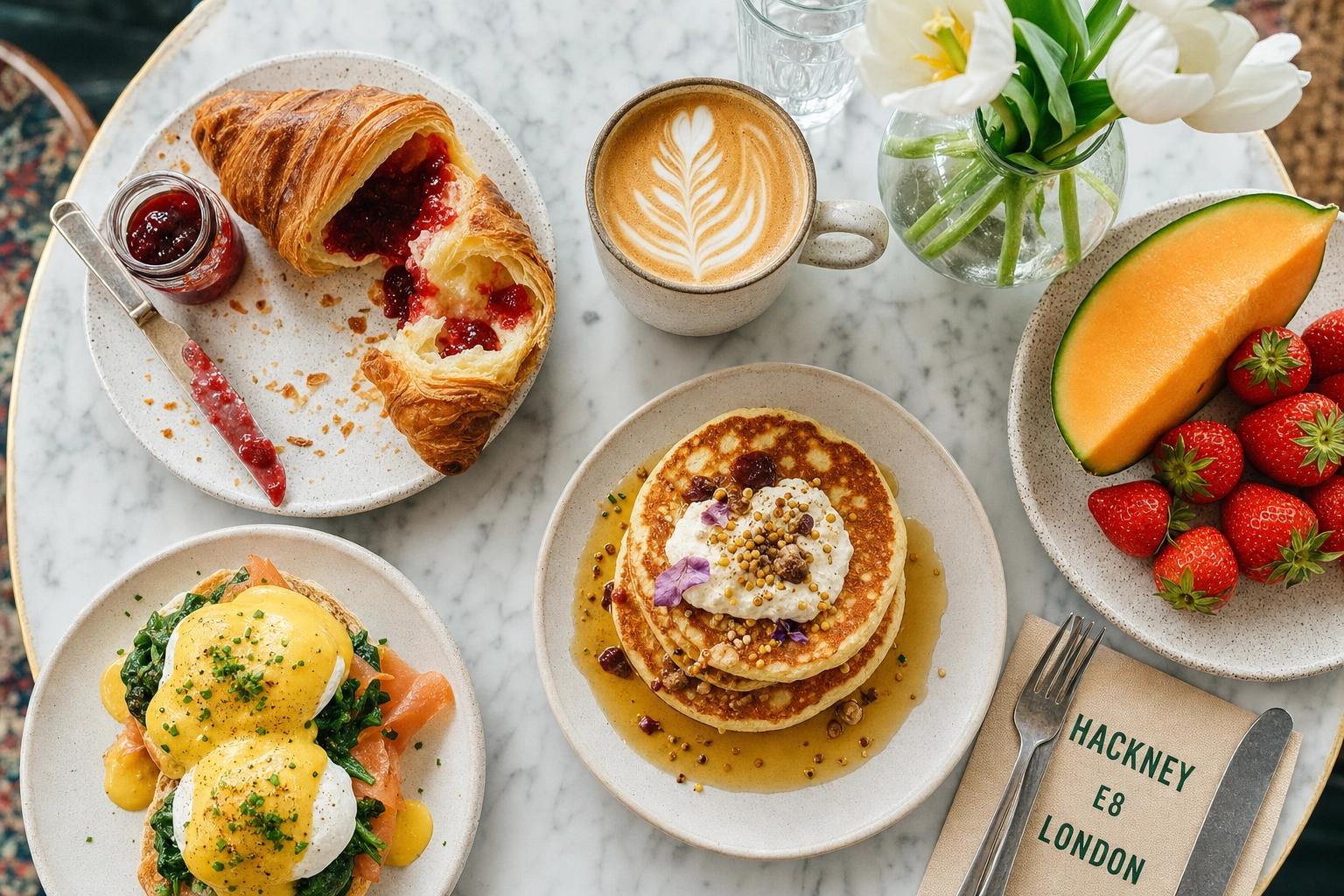 Hackney brunch flat-lay with pancakes eggs benedict and flat white showing London cafe Instagram content needs
The London cafe scene lives and dies by visuals. Hackney brunch spots. Notting Hill bakeries. Soho coffee shops. Peckham natural wine bars. Bermondsey small plates. All are battling for the same Instagram-fluent audience that decides where to spend its weekend in roughly the time it takes to swipe past three posts.
A traditional food photographer in London can't keep pace with that content cycle. By the time you've briefed a half-day shoot for next month's specials, the menu has already changed twice. FoodShot lets a marketing manager generate a week's worth of feed-ready content over a coffee. The styling stays consistent across every post because My Styles locks the brand look in place. Our AI food photography for cafes page covers the workflow for high-turnover cafe menus in detail.
Seasonal menu refreshes and Bank Holiday tie-ins
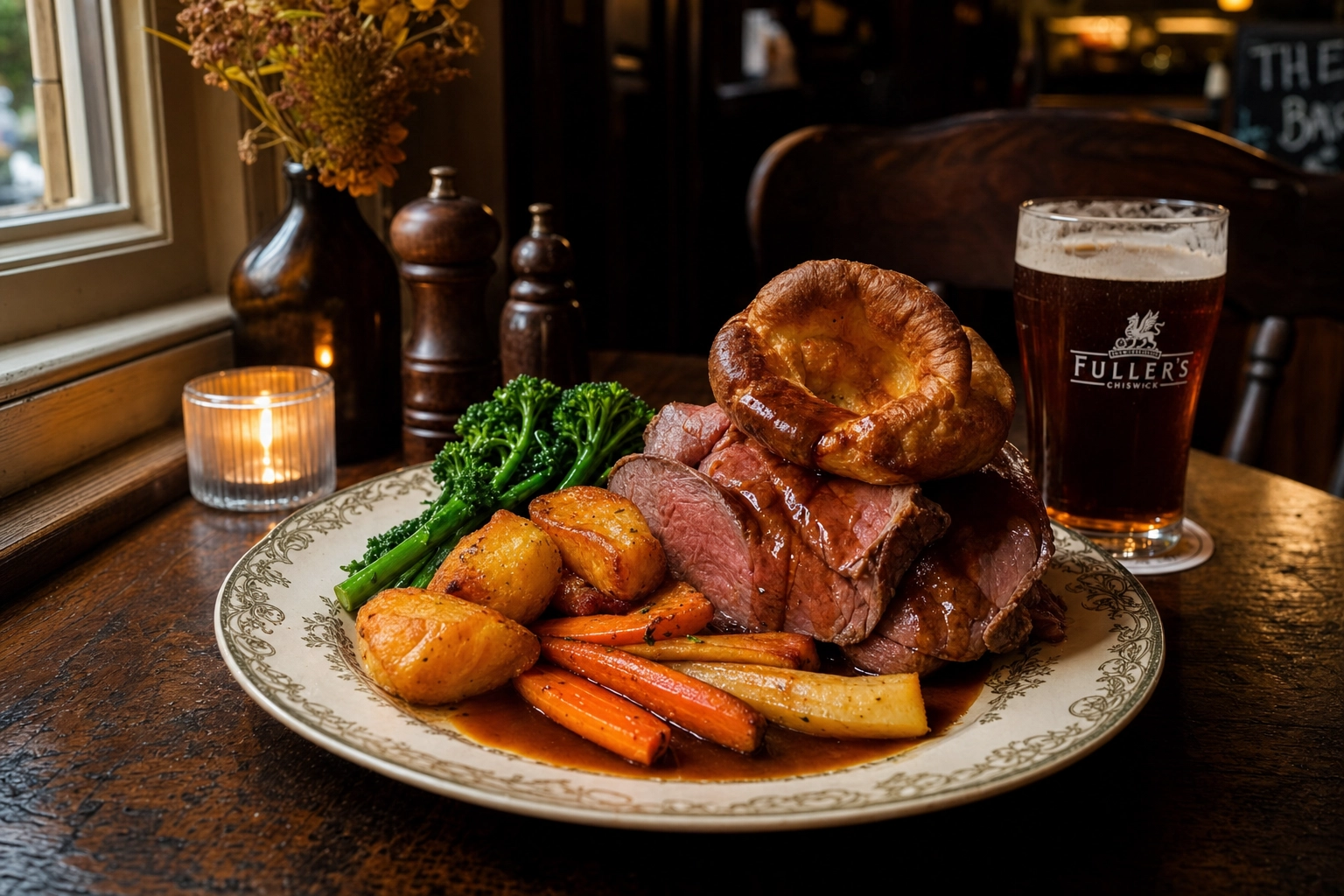 Traditional London Sunday roast with Yorkshire pudding at a gastropub showing seasonal British menu photography
The UK calendar is packed. Veganuary in January. Pancake Day in February. Easter weekend in March or April. May Day. Pride in June. Wimbledon in July. Summer Bank Holidays. Notting Hill Carnival in August. Autumn comfort food. Bonfire Night. Black Friday set menus. Christmas tasting menus from mid-November. Boxing Day brunch. New Year's Eve. Then it loops.
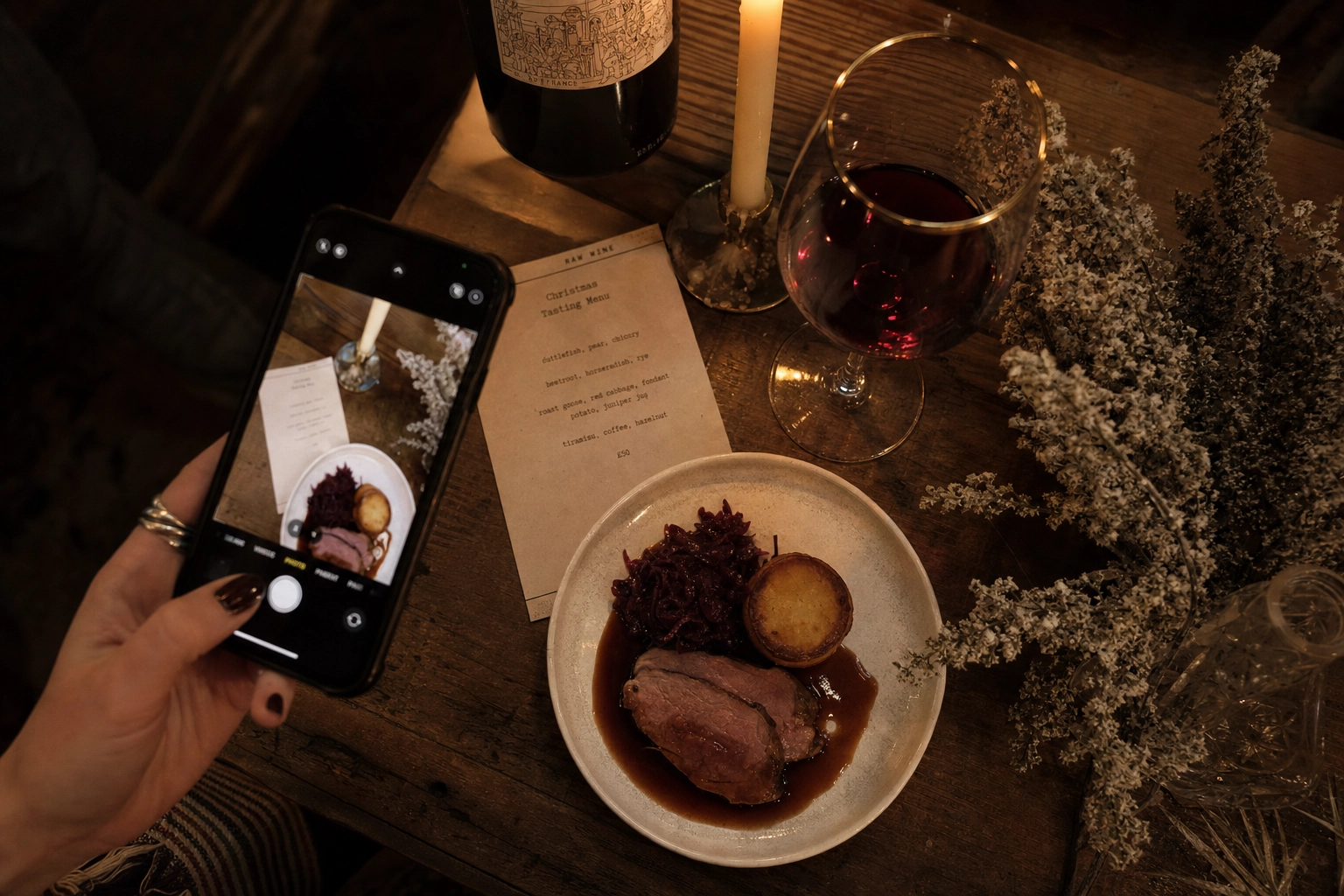 Smartphone photographing a Christmas tasting menu plate in a London restaurant showing seasonal menu refresh use case
Each one is a content moment. Each requires fresh imagery for menus, posters, delivery banners, social ads and email. With a London food photographer, you'd need to book in November to get Christmas tasting menu shots back in time. With FoodShot, a chef snaps the new dish at the pass on Monday. The marketing team has 4K menu-ready imagery in the website CMS by Monday afternoon. Our menu photoshoot planning guide covers how to structure those refreshes when you're producing in-house.
When You Should Still Hire a Food Photographer in London
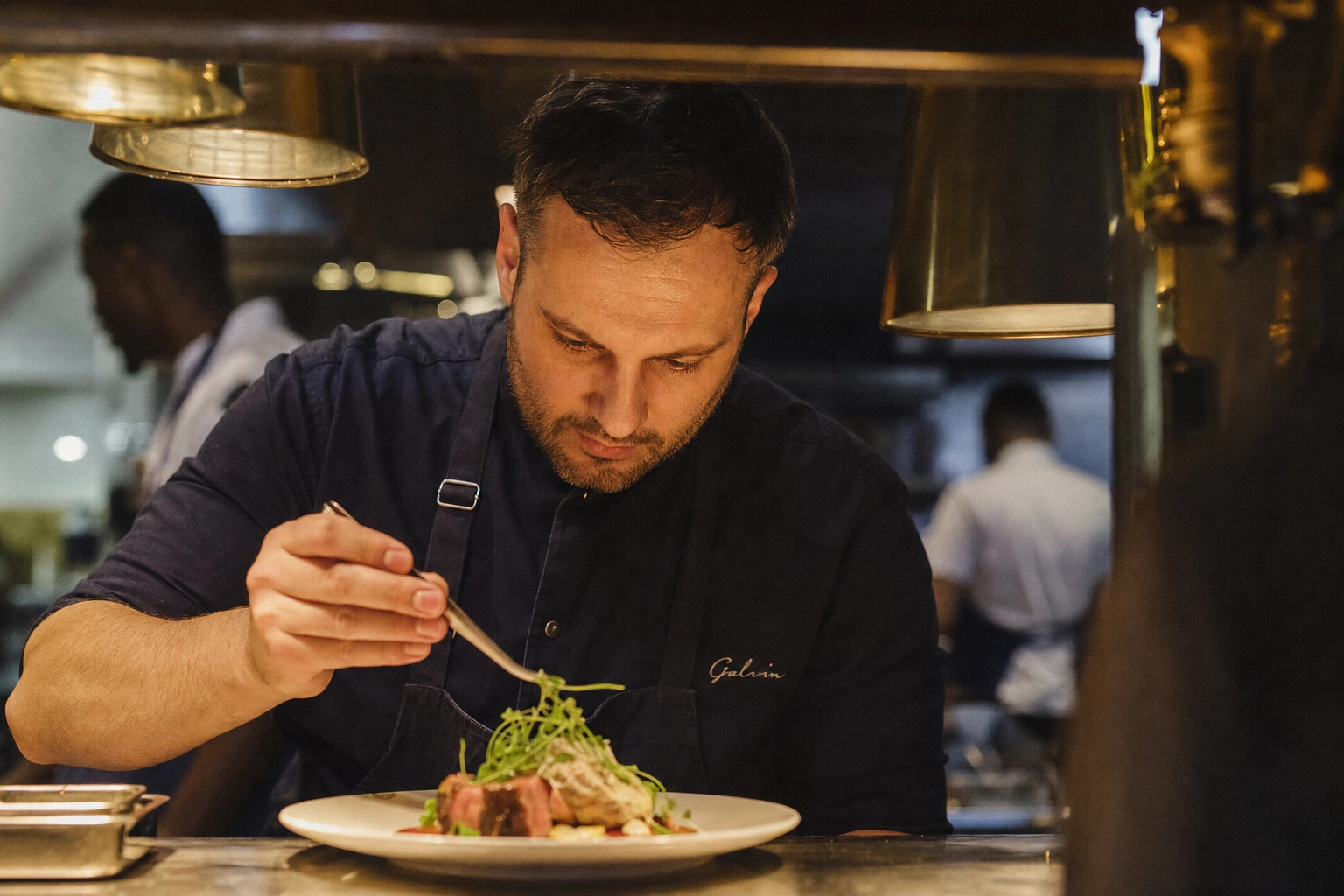 London head chef plating fine dining dish at the pass showing lifestyle photography moments AI cannot replicate
Honestly, AI doesn't replace every food photography use case in London. Pretending it does is how restaurants end up with the wrong tool for the job. Here's when a traditional food photographer London-side is still the right call:
- Cookbooks and major editorial features. A four-page spread in the Sunday Times Magazine, Olive Magazine, Observer Food Monthly or FT Weekend deserves a human photographer's eye. Plus a food stylist, and the kind of art direction AI can't deliver. The same goes for Bloomsbury or Penguin Random House cookbook projects.
- Hero shots for restaurant launches. Opening a flagship in Marylebone? Want Eater London, Hot Dinners and Time Out to cover it? You need photography that captures the room, the chef, the team and the food in a single coherent narrative. AI can't shoot your dining room or your head chef plating service.
- Major brand campaigns and packaging. OOH advertising on the Tube. Billboard work on the M25. Packaging for a Waitrose or Tesco private-label launch. These still call for licence-based commercial photography with custom set builds.
- Lifestyle and people-led content. Customers laughing over wine. A chef breaking down a side of beef. Kitchen action shots. Anywhere humans are central to the story, AI food photography can't help. Hire a photographer.
- Cocktail action and drinks photography. Splash shots. Pour-overs. Syphon brews. Smoke and dry-ice effects. These benefit from real motion capture. See our bars and lounges photography guide for where AI does work in drinks imagery.
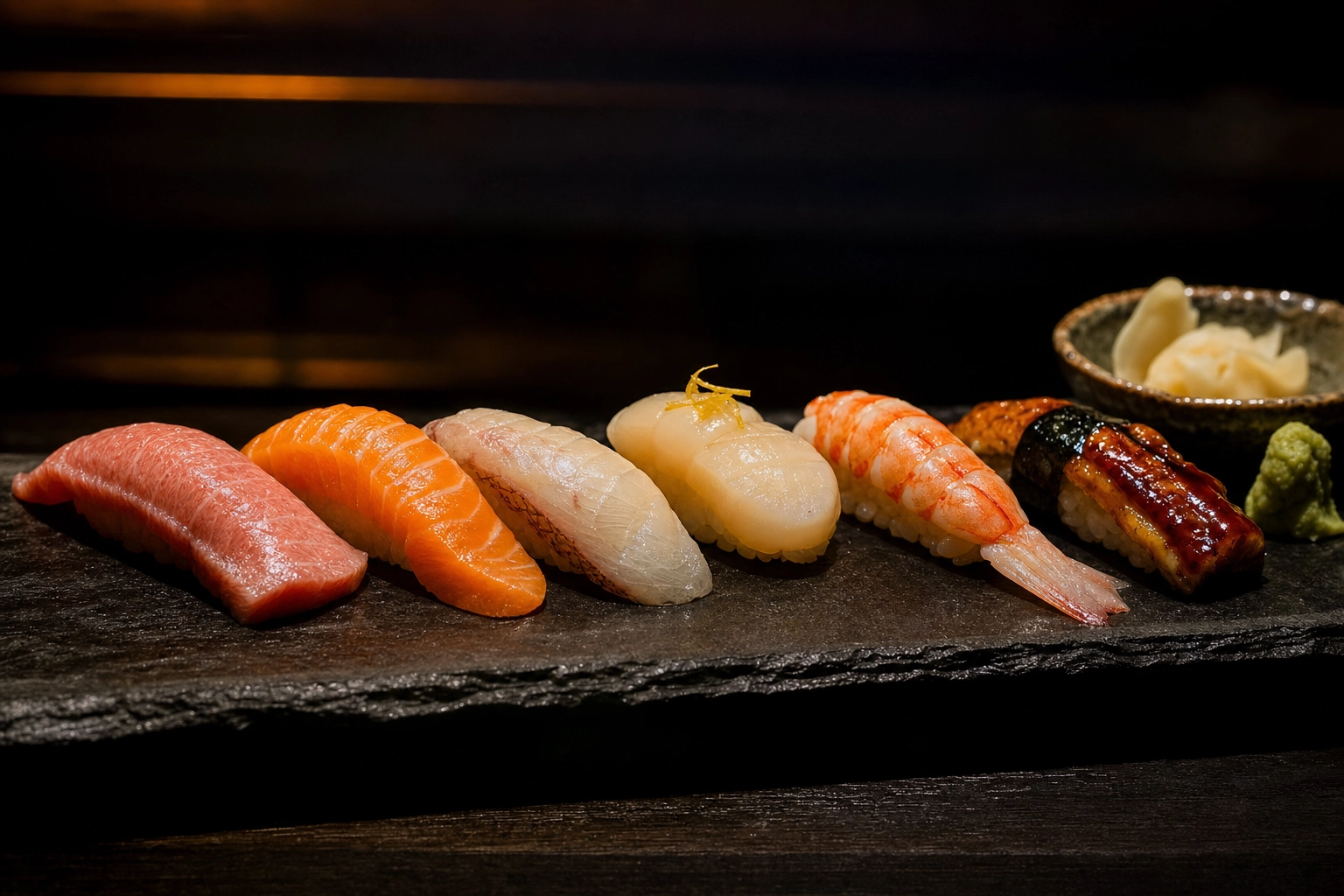 Mayfair London omakase sushi nigiri platter on black slate showing premium Japanese restaurant photography style
A Mayfair omakase counter launching a £200-per-head tasting menu is a perfect example. That opening deserves a human photographer who can capture the chef, the room, the knife work and the plating in a single coherent shoot. The work goes into Eater London, the website, the PR pack and the social launch. It lasts the lifetime of the restaurant.
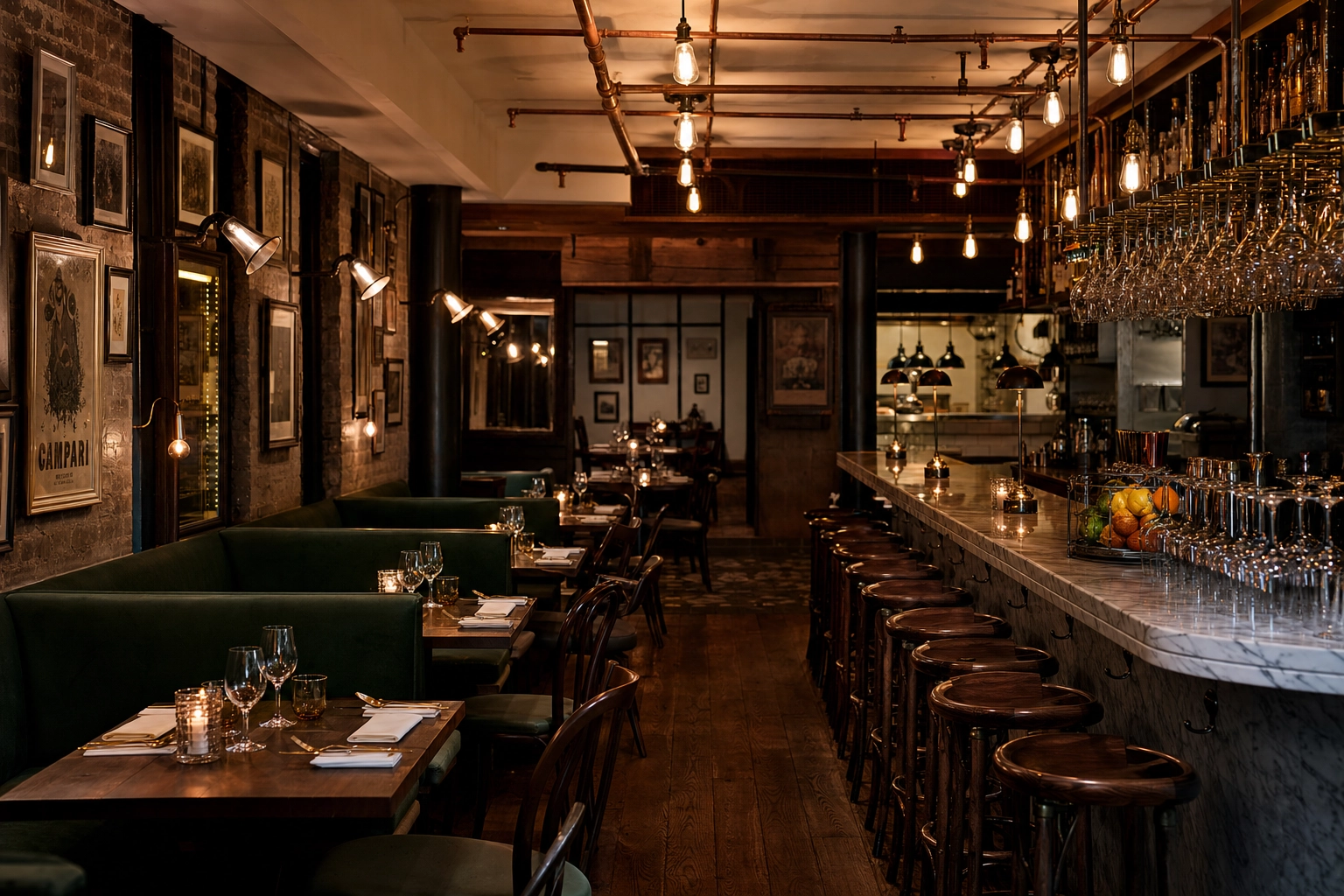 Empty Soho London restaurant interior before service showing dining room photography that requires human photographers
The smart play for most London restaurants in 2026 is a hybrid approach. Hire a traditional food photographer once or twice a year for hero brand assets, lifestyle and PR. Then use FoodShot AI for the daily, weekly and seasonal photography that fills the rest of the calendar. Our commercial food photography guide explains how to scope the photographer brief so the assets cover what AI can't, leaving the operational photography to in-house tools.
Try FoodShot AI Free
You can test FoodShot today with 3 free credits. No credit card required. No contract. No booking call. Upload a phone photo of a dish, pick a style, and see what comes back in 90 seconds. Free-tier outputs are watermarked for personal evaluation. Once you're ready to use the photos commercially, the Starter plan starts at $9/month (~£7/mo) billed yearly with a full commercial license.
For the operators running multiple sites or generating volume content for a marketing team, the Business plan at ~£36/mo delivers 100 credits per month. That's more than enough to refresh a full Deliveroo menu, fill an Instagram grid and produce Bank Holiday promo materials. Every single month. For the price of half a cab ride from Heathrow with a photographer's lighting kit in the boot.
See the full FoodShot AI pricing plans for Starter, Business, Scale and Enterprise tiers. Bulk processing and API access included for chains and groups.
Frequently Asked Questions
How much does a food photographer in London actually cost?
A food photographer London restaurants typically book charges £350–£900 for a half-day and £500–£1,500 for a full day at the mid-tier. Premium editorial photographers with national-brand clients quote £1,500–£3,500+ per day. Top-tier advertising photographers can quote £2,000–£5,000+ before any production costs. Once you add food styling (£200–£450/day), prop styling (£200–£500/day), Zone 1–2 studio rental (£150–£400/hour), props and retouching, expect a real all-in shoot cost of £1,500–£5,500+.
What's included in a typical London food photography session?
A standard half- or full-day shoot includes the photographer's time, basic editing of an agreed number of hero images, and usage rights for specified channels. Often that means website and social only. Print, OOH and packaging usage cost extra. Most London quotes do not include food styling, prop styling, studio rental, prop sourcing, ingredients, or post-production beyond a baseline edit. Confirm exactly what's bundled before you sign. Ask the photographer to enquire whether Congestion Charge, ULEZ and parking are absorbed or invoiced separately as a "travel fee."
Why is food photography in London more expensive than the rest of the UK?
Three reasons. First, studio dependency: London's winter daylight (7h 50min at the December solstice) and frequent overcast conditions make daylight-only shoots unreliable from October through March. Studio rental is effectively baked into the cost of a professional shoot for half the year. Second, central London logistics: the £18 Congestion Charge (raised from £15 in January 2026), £12.50 ULEZ for non-compliant vehicles, parking restrictions, and tunnel tolls all add to Zone 1–2 production costs. Third, demand density: there are more food brands competing for a finite pool of experienced food photographers in London than almost anywhere else in Europe. That pushes day rates up.
Can AI food photography meet Deliveroo's image accuracy guidelines?
Yes, when the AI is enhancing a real photo of the actual dish rather than fabricating an image from a text prompt. Deliveroo's image guidelines require photos to accurately represent what the customer will receive. They ban text, watermarks and borders. They require one item per photo on a clean background. FoodShot AI works by enhancing a real smartphone photo of your dish. It improves lighting, background and presentation while keeping the actual food faithful to what's on the plate. That's compatible with Deliveroo's accuracy requirement. Generating a fake dish from text alone, which FoodShot does not do, would not be. Our deep-dive on AI vs real food images covers this distinction in detail.
How does FoodShot AI compare to hiring a London food photographer for delivery app menus?
For Deliveroo, Uber Eats and Just Eat listings specifically, the trade-offs flip hard in AI's favour. A London photographer charges £350–£2,000+ for a shoot that yields 15–50 final images on a 2–4 week timeline. FoodShot generates the same volume in a working session on the Business plan (~£36/mo). The correct aspect ratios are pre-built into the Delivery preset. You can refresh any item the same day a recipe changes. For ongoing menu management, AI is faster, cheaper and easier to keep consistent.
Do London restaurants need a different photographer for Uber Eats versus Deliveroo?
No, but the platforms have different image specs and consumer behaviour patterns. Uber Eats (27.2% UK share in 2024), Just Eat (25.2%) and Deliveroo (16.2%) each have slightly different aspect ratio and minimum resolution requirements. They also have different audience expectations. Deliveroo skews premium. Just Eat skews broad UK reach. Uber Eats skews urban speed. A good photographer or a tool like FoodShot can produce a single set of images that meets all three specs. The harder problem is keeping every platform updated when the menu changes. That's where AI's same-day turnaround beats a traditional shoot. For ghost kitchens running multiple virtual brands across all three platforms, our cloud kitchen marketing guide goes into detail.
How quickly can FoodShot AI generate menu photos for a London restaurant?
Around 90 seconds per image, end-to-end. Upload a phone photo of a dish. Choose a style preset (Delivery, Menu, Fine Dining, Cafe, etc.). Download a 4K menu-ready image. Multi-variation generation produces 4–6 styled versions from a single upload. Bulk processing on the Scale plan handles 5 at a time. A full Deliveroo menu of 30 items typically takes under an hour from phone snaps to platform-ready uploads.
When does it still make sense to hire a traditional food photographer in London?
Hire a photographer when you need:
- Cookbook or major editorial features in print magazines like the Sunday Times Magazine, Olive Magazine or Observer Food Monthly
- Hero shots for a restaurant launch with PR coverage in Eater London, Hot Dinners or Time Out
- Major brand campaigns and packaging, especially anything with a print or OOH usage licence
- Lifestyle and people-led content — chefs, customers, kitchen action shots
- Cocktail action, pour-overs and drinks shots with live motion
For everything else — Deliveroo menus, weekly Instagram, seasonal refreshes, Bank Holiday promos, email marketing, A-frame posters — FoodShot AI is faster, cheaper and easier to keep on-brand.
Does FoodShot AI work for cocktail bars and London pubs?
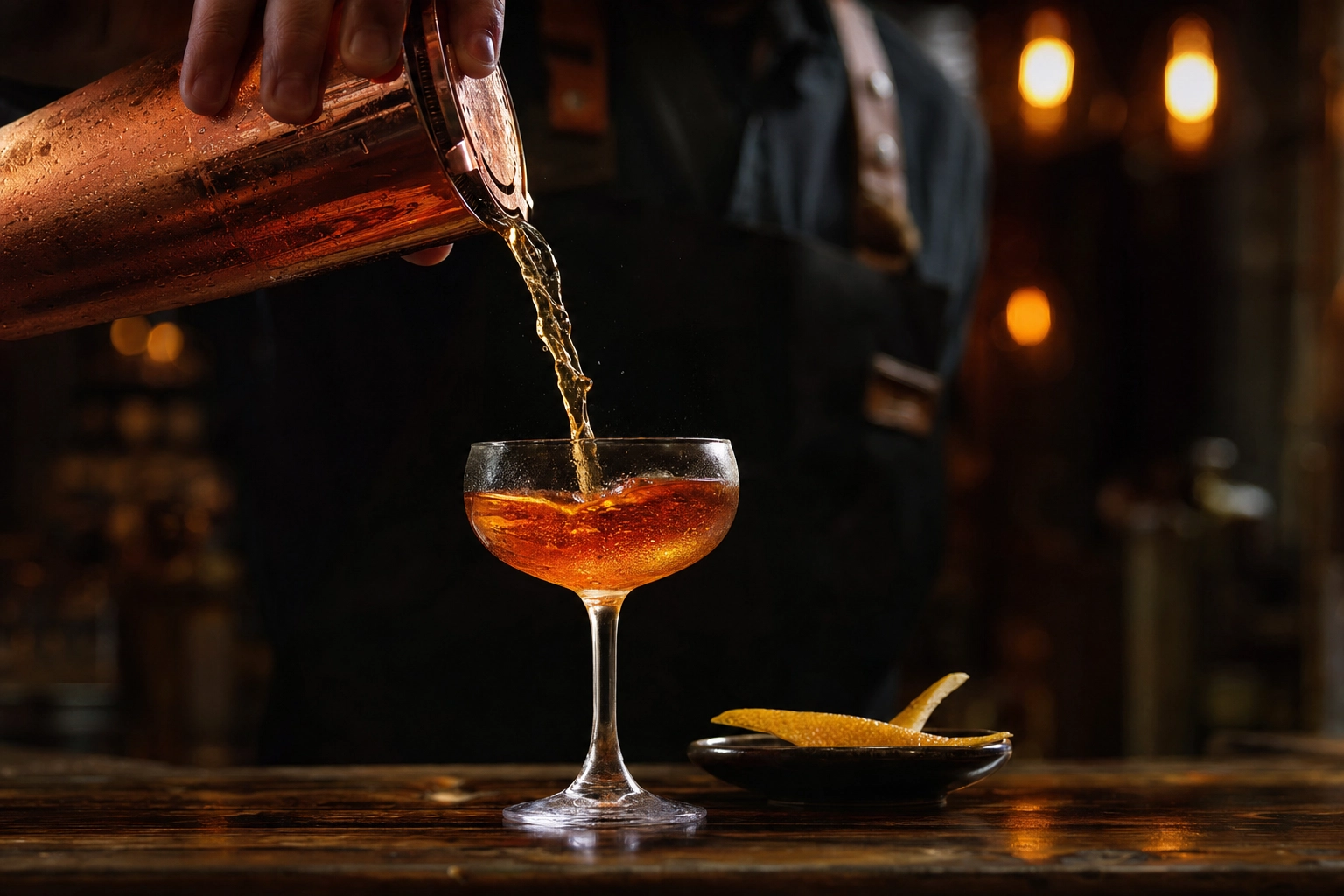 Dramatic action pour of a craft cocktail in a London bar showing drinks photography that AI cannot fully replicate
Yes for plated drinks, garnish presentation, hero serves and styled cocktail flat-lays. FoodShot's bar and lounge presets handle these well. It's less suited to live motion shots (pour splashes, smoke effects, ice clinking into a glass). Those still benefit from a traditional cocktail photographer with a strobe rig. A common pattern for London pubs and cocktail bars: use FoodShot for menu imagery, food photos and signature cocktail beauty shots. Then book a half-day with a photographer once a year for action content and the social hero reel. See our bars and lounges photography page for the full breakdown.