30 Aesthetic Food Background Ideas for Instagram & Menus
 Ali Tanis16 min read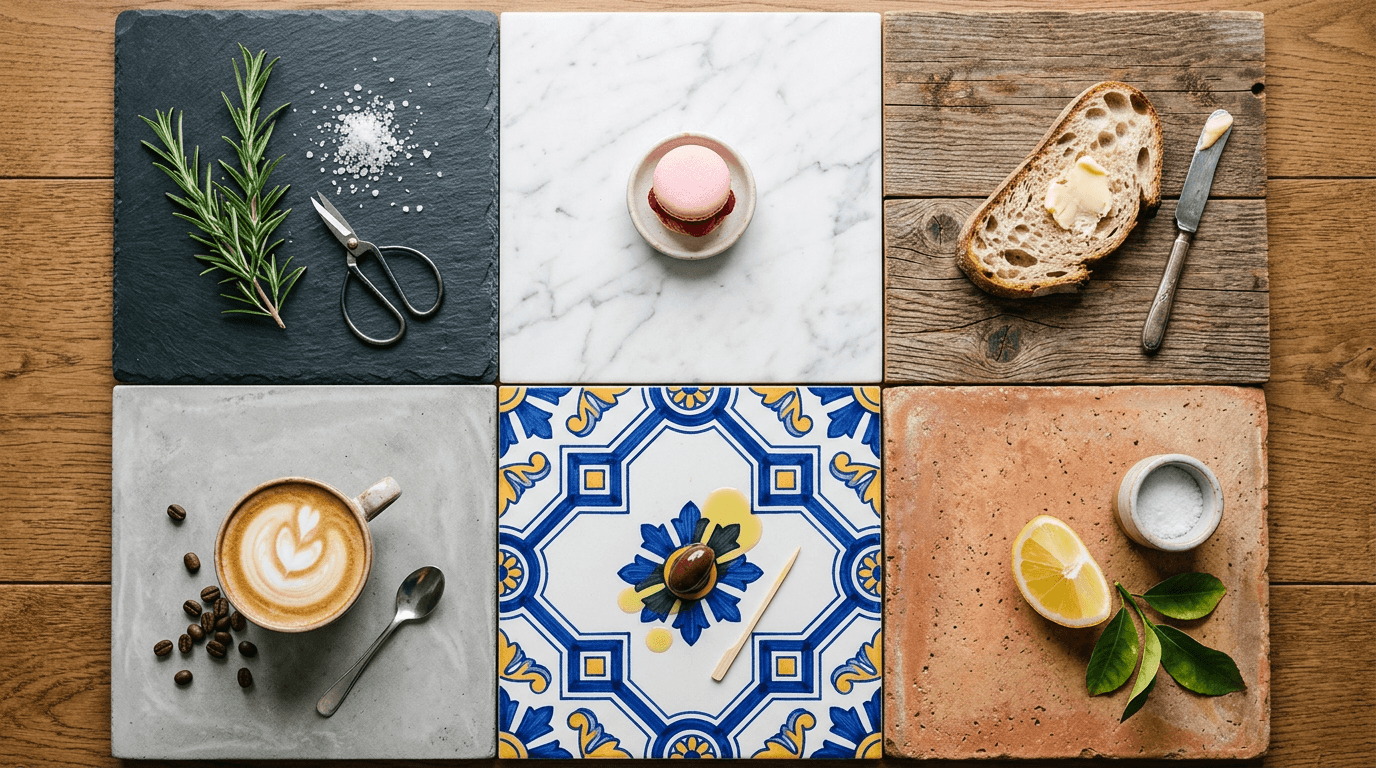
The right aesthetic food background can turn a forgettable food photo into something people save, share, and screenshot. It's the unsung hero of every beautiful food image — setting the mood, reinforcing a brand, and giving the food a visual stage to shine on.
Whether you're building an Instagram grid, designing restaurant menus, or shooting for a food blog, the background behind your food matters more than most people realize. A chocolate torte on charcoal slate tells a completely different story than the same torte on a white marble countertop. One whispers "fine dining." The other says "bright brunch cafe."
Quick Summary: We've curated 30 aesthetic food background ideas organized by six visual styles — moody/dark, bright/airy, rustic/warm, modern/minimalist, seasonal, and cultural. Each entry includes the mood it creates and the foods that look best on it. Don't own physical backdrops? You can recreate any of these with FoodShot AI's background replacement tool from a single smartphone photo.
Moody & Dark: The Dramatic Food Background Aesthetic
Dark backgrounds use the chiaroscuro effect — strong contrast between light and shadow — to make food feel dramatic and luxurious. They absorb light rather than reflecting it, which keeps the viewer's eye locked on the dish. This aesthetic food background style dominates fine dining photography, wine-paired meals, and artisan baked goods.
For best results with dark backgrounds, use side lighting or slightly backlit setups. Check our food photography lighting guide for specifics on creating that dramatic glow.
1. Charcoal Slate
A matte, dark grey surface with subtle natural texture. Slate doesn't compete with the food — it frames it. The fine grain adds visual interest without distraction, making it one of the most popular food background choices for moody photography.
Mood: Sophisticated, editorial, high-end. Best for: Steaks, chocolate desserts, dark breads, charcuterie boards, red wine pours.
2. Dark Walnut Wood
Rich brown-black grain with natural variation. Warmer than slate but equally dramatic. The wood grain creates organic leading lines that draw the eye toward the plate.
Mood: Cozy yet upscale, like a dimly lit wine bar. Best for: Pasta dishes, grilled meats, autumn soups, artisan cheese, whiskey cocktails.
3. Black Marble (Nero Marquina)
Deep black with white or gold veining. This is the luxury statement — it reads "Michelin-star restaurant" in every photo. The veins add movement and prevent the background from feeling flat.
Mood: Opulent, magazine-worthy, unforgettable. Best for: Sushi, gold-dusted pastries, dark chocolate truffles, espresso drinks, caviar.
4. Weathered Iron / Oxidized Metal
Dark grey-brown with patina spots and rough texture. Raw and industrial, but with warmth. This background tells a story — it feels lived-in and authentic.
Mood: Industrial chic, artisan, handmade. Best for: Craft cocktails, sourdough bread, pulled pork, smoked brisket, fermented foods.
5. Deep Navy Linen
A rich, dark blue fabric with visible weave texture. Navy adds depth without the harshness of pure black, making it slightly more approachable for social media while keeping the moody vibe.
Mood: Elegant, calming, curated. Best for: Seafood platters, berry desserts, blue cheese, macarons, lavender-infused dishes.
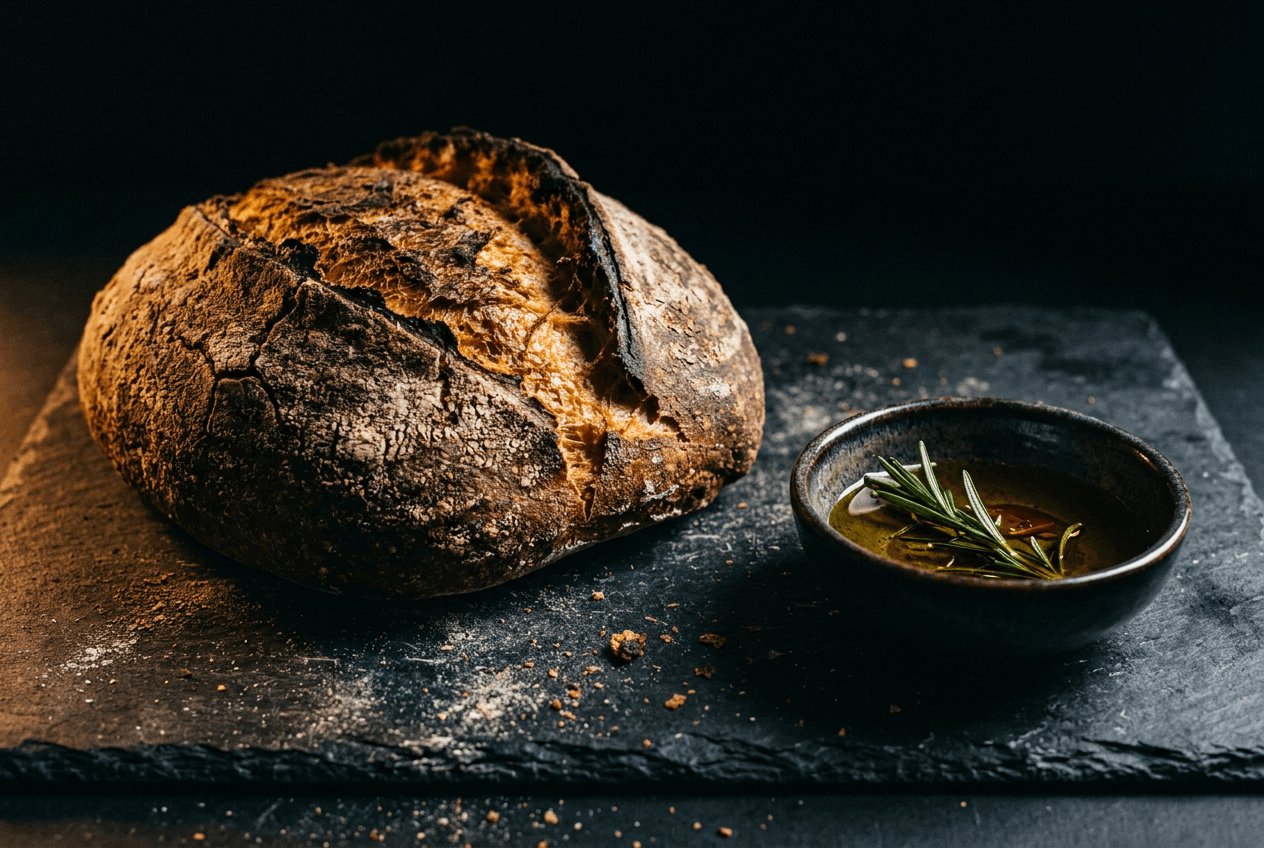 Dark moody food photography of artisan sourdough bread on charcoal slate background with dramatic side lighting
Bright & Airy: The Clean Food Background Aesthetic
The opposite end of the spectrum. Bright backgrounds reflect light upward onto the food, reducing harsh shadows and creating that "clean, fresh" look that dominates Instagram food feeds. They make colors pop — a green smoothie bowl practically glows on white marble.
These backgrounds pair perfectly with overhead (flat-lay) shots. For more on nailing this style, see our Instagram food photography tips.
6. White Marble (Calacatta)
The classic. Warm white base with soft grey-gold veining. Calacatta marble is the most-used surface in professional food photography for good reason — it photographs beautifully from every angle and makes food colors sing.
Mood: Clean luxury, cafe-chic, aspirational. Best for: Brunch spreads, pastries, colorful salads, smoothie bowls, latte art.
7. Light Linen or Muslin
A loosely draped cream or white fabric with natural wrinkles. The texture adds warmth that plain white surfaces can't. Wrinkles create organic shadows that give dimension to flat-lay shots.
Mood: Soft, homey, editorial-casual. Best for: Baked goods, breakfast setups, tea and scones, fruit tarts, light pastas.
8. Blonde Birch Wood
Pale, nearly white wood with fine, subtle grain. It splits the difference between the warmth of wood and the brightness of white surfaces. Birch reads "Scandinavian cafe" instantly.
Mood: Minimalist-warm, Nordic, wellness-focused. Best for: Açaí bowls, avocado toast, oat milk lattes, grain bowls, plant-based dishes.
9. White Subway Tile
A grid of rectangular white tiles with visible grout lines. The geometry adds structure and pattern to shots without competing with the food. This background design has a distinctly "restaurant kitchen" feel.
Mood: Clean, urban, behind-the-scenes. Best for: Pizza slices, sandwiches, bakery items, coffee cups, casual-cool dishes.
10. Pale Pink Plaster
A dusty rose or blush-toned matte wall surface with subtle texture variation. Pink backgrounds are an Instagram favorite because they add warmth and femininity without overwhelming the composition. This aesthetic food background works beautifully year-round.
Mood: Trendy, feminine, Instagram-native. Best for: Macarons, pink drinks, strawberry desserts, cupcakes, floral cakes, rosé wine.
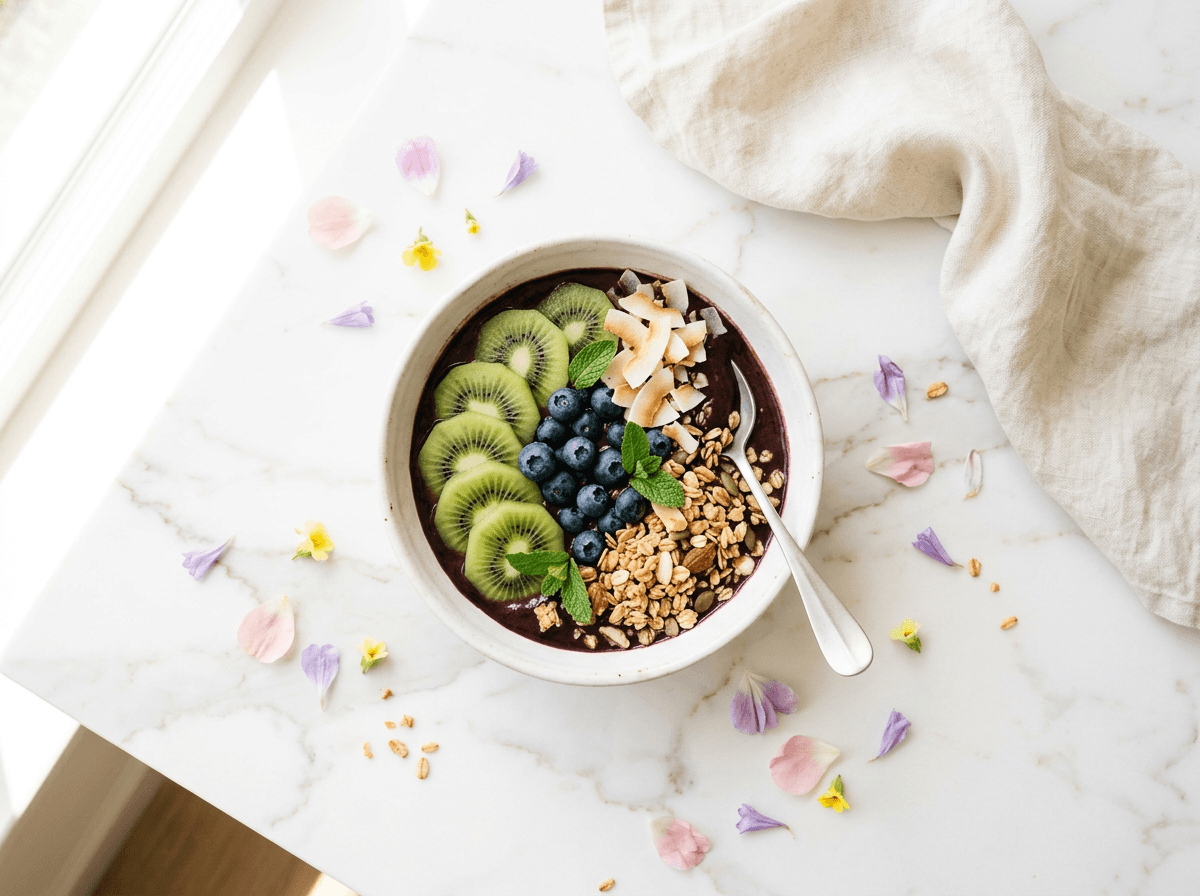 Bright airy food photography of colorful smoothie bowl on white marble background with natural sunlight
Rustic & Warm: The Farm-to-Table Background Aesthetic
Rustic backgrounds have texture you can almost feel through the screen. They communicate authenticity, handcraft, and the farm-to-table ethos. The imperfections are the point — scratches, knots, unevenness, and patina all add character.
These surfaces pair beautifully with food photography props like cast iron skillets, linen napkins, and vintage cutlery.
11. Reclaimed Barnwood
Weathered wood planks with nail holes, paint remnants, and varying tones from pale grey to warm brown. Every board is unique, which means every photo has its own personality.
Mood: Farmhouse, nostalgic, authentic comfort. Best for: Pies, stews, rustic breads, roasted vegetables, Thanksgiving spreads, comfort food.
12. Terracotta Tiles
Warm, earthy orange-brown with a slightly rough matte surface. Terracotta instantly transports the viewer to a Mediterranean kitchen or a sun-warmed courtyard. It's one of the warmest backgrounds you can use.
Mood: Sun-drenched, earthy, Mediterranean warmth. Best for: Focaccia, olive oil dishes, roasted tomatoes, hummus, grilled halloumi, sangria.
13. Burlap or Jute Runner
A coarse, woven natural fiber fabric in tan or dark brown. The heavy texture works best as a partial layer — draped under a plate or bowl rather than filling the entire frame.
Mood: Harvest, organic, market-fresh. Best for: Artisan bread loaves, fresh produce arrangements, jam jars, whole spices, honey.
14. Vintage Copper Sheet
An aged copper surface with green patina spots and warm brown-orange tones. Copper adds a metallic warmth that's completely different from steel or iron — it's rich without being cold.
Mood: Old-world craft, apothecary, antique warmth. Best for: Spiced drinks (chai, mulled wine), copper pot dishes, Middle Eastern food, chocolate bark.
15. Raw Cork
A tan, spongy surface with visible pores and a distinctly organic texture. Cork is unexpected in food photography, which makes it memorable. It adds warmth without the "rustic wood" cliché.
Mood: Natural, earth-conscious, wine country. Best for: Wine and cheese pairings, tapas, natural wine, olives, dried fruit and nut platters.
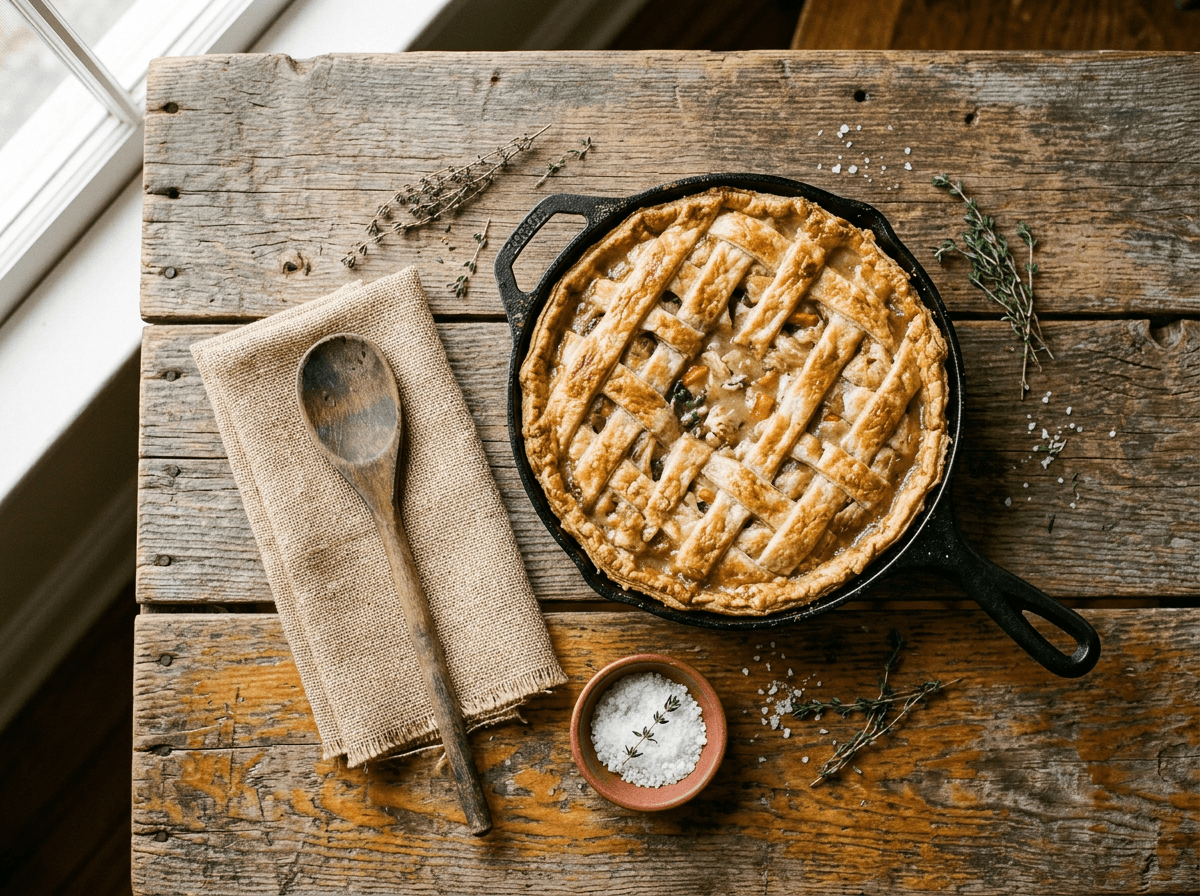 Overhead rustic food photography on reclaimed barnwood background with cast iron skillet and farm-to-table styling
Modern & Minimalist: The Contemporary Background Aesthetic
Clean lines, muted tones, and zero clutter. These backgrounds let the food do all the talking. They're the go-to aesthetic for contemporary restaurants, cafes with geometric branding, and anyone targeting a design-conscious audience.
If you're designing food for restaurant menus, these backgrounds create a polished, professional look that scales across every dish in your lineup.
16. Polished Concrete
Smooth, cool grey with subtle surface variation and occasional micro-cracks. Concrete is the universal "modern" surface — it works for almost any food type because its neutrality refuses to compete.
Mood: Urban, contemporary, coffee shop cool. Best for: Latte art, minimalist plating, open-faced sandwiches, modern pastries, poke bowls.
17. Solid Matte Color (Sage, Rust, or Mustard)
A flat, single-color surface with a matte finish. Sage green, terracotta rust, and warm mustard are the colors dominating food Instagram right now. They add mood without pattern distraction — a clean design choice for brands that want personality.
Mood: Curated, editorial, color-blocked. Best for: Sage: salads, herbal dishes. Rust: autumn baked goods, warm soups. Mustard: curry dishes, golden lattes, turmeric bowls.
18. Terrazzo
Flecked stone aggregate embedded in a neutral cement base. Terrazzo has enough visual interest to work without any additional props. The random flecks add personality while keeping the overall feel minimal.
Mood: Retro-modern, playful but polished. Best for: Smoothie bowls, colorful pastries, ice cream, small bites, brunch cocktails.
19. Brushed Stainless Steel
A cool silver surface with fine directional brush marks. This is the "chef's counter" look — clinical but professional. It photographs best at eye level or 45 degrees to catch light reflections along the grain.
Mood: Professional kitchen, precision, culinary craft. Best for: Sushi, fine-dining plating, molecular gastronomy, deconstructed desserts, fresh pasta.
20. Geometric Tile Pattern
Black-and-white or two-toned tiles arranged in hexagonal, herringbone, or chevron patterns. Bold, Instagram-friendly, and instantly eye-catching. Use them sparingly — the pattern should support the food, not overwhelm it.
Mood: Bold, design-forward, Instagram statement. Best for: Coffee flat-lays, single-dish hero shots, colorful bowls, cocktail overhead shots.
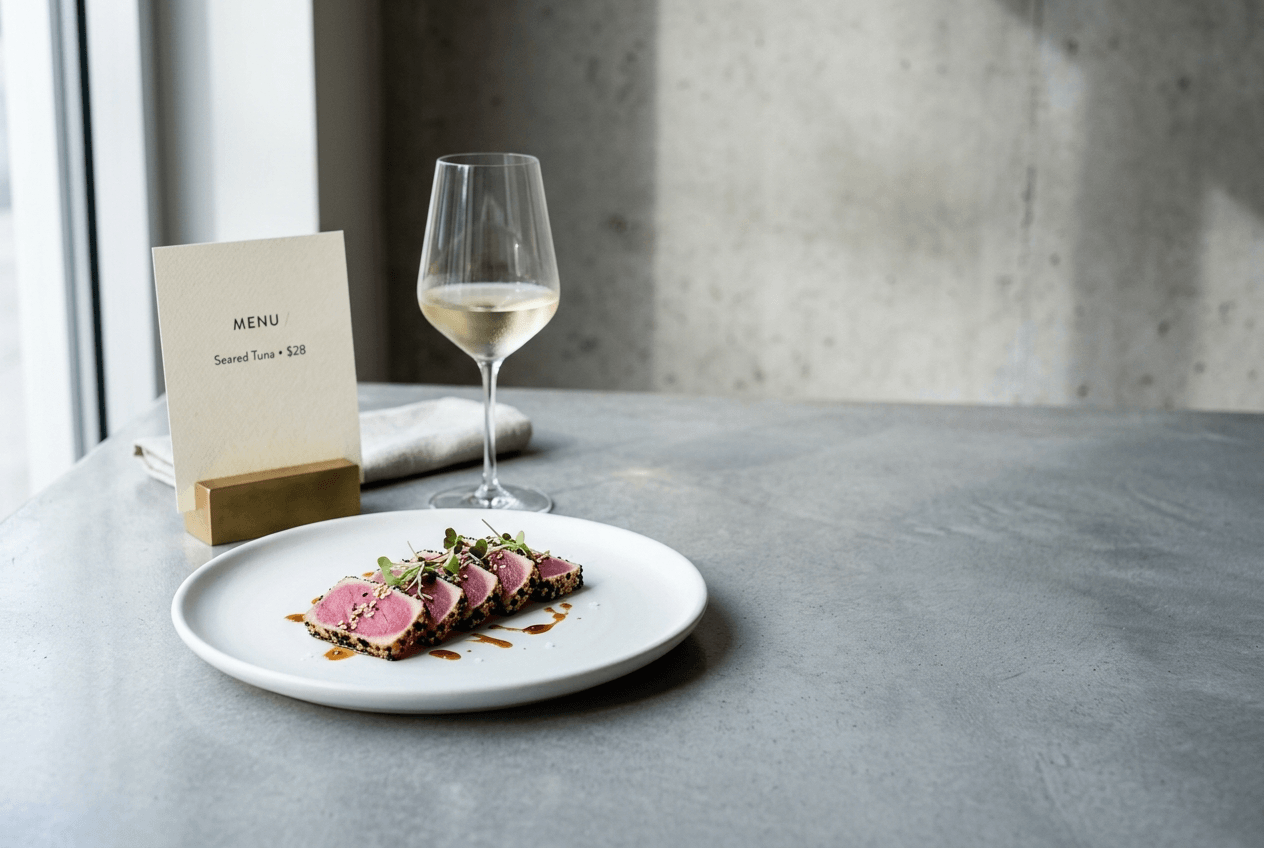 Modern minimalist food photography with seared tuna on polished concrete background showing clean contemporary aesthetic
Seasonal: Time-Sensitive Background Aesthetics
Seasonal backgrounds create instant context. Viewers immediately know the time of year, the temperature, and the mood — before they even look at the food. This makes them powerful for limited-time menus, holiday promotions, and Instagram content calendars.
FoodShot AI offers dedicated holiday themes including Thanksgiving and Halloween presets for seasonal background swaps.
21. Autumn Harvest (Dried Leaves & Warm Wood)
A warm-toned wood surface scattered with dried maple leaves, cinnamon sticks, and small gourds. The color palette is amber, burnt orange, deep red, and brown. This is the quintessential fall food photography setup.
Mood: Cozy, harvest, sweater-weather comfort. Best for: Pumpkin pie, apple cider, soups, roasted root vegetables, spiced lattes, Thanksgiving dishes.
22. Winter Holiday (Evergreen & Metallics)
A dark surface with pine sprigs, gold ornaments, pinecones, and subtle metallic accents. Holiday backgrounds work best when they suggest the season rather than scream it — a few well-placed elements beat a cluttered Christmas scene.
Mood: Festive, warm, celebratory. Best for: Gingerbread, hot chocolate, roasted meats, holiday cookies, eggnog, cranberry dishes.
23. Spring Florals (Fresh Petals & Pastel Linen)
A light-colored surface with scattered fresh flower petals (cherry blossom, lavender, or peonies) and a soft pastel linen accent. Spring backgrounds are about renewal, lightness, and color. Think pink tones, cream whites, and gentle greens.
Mood: Fresh, romantic, garden-party elegance. Best for: Floral cakes, macarons, light salads, strawberry desserts, herbal teas, Easter brunch.
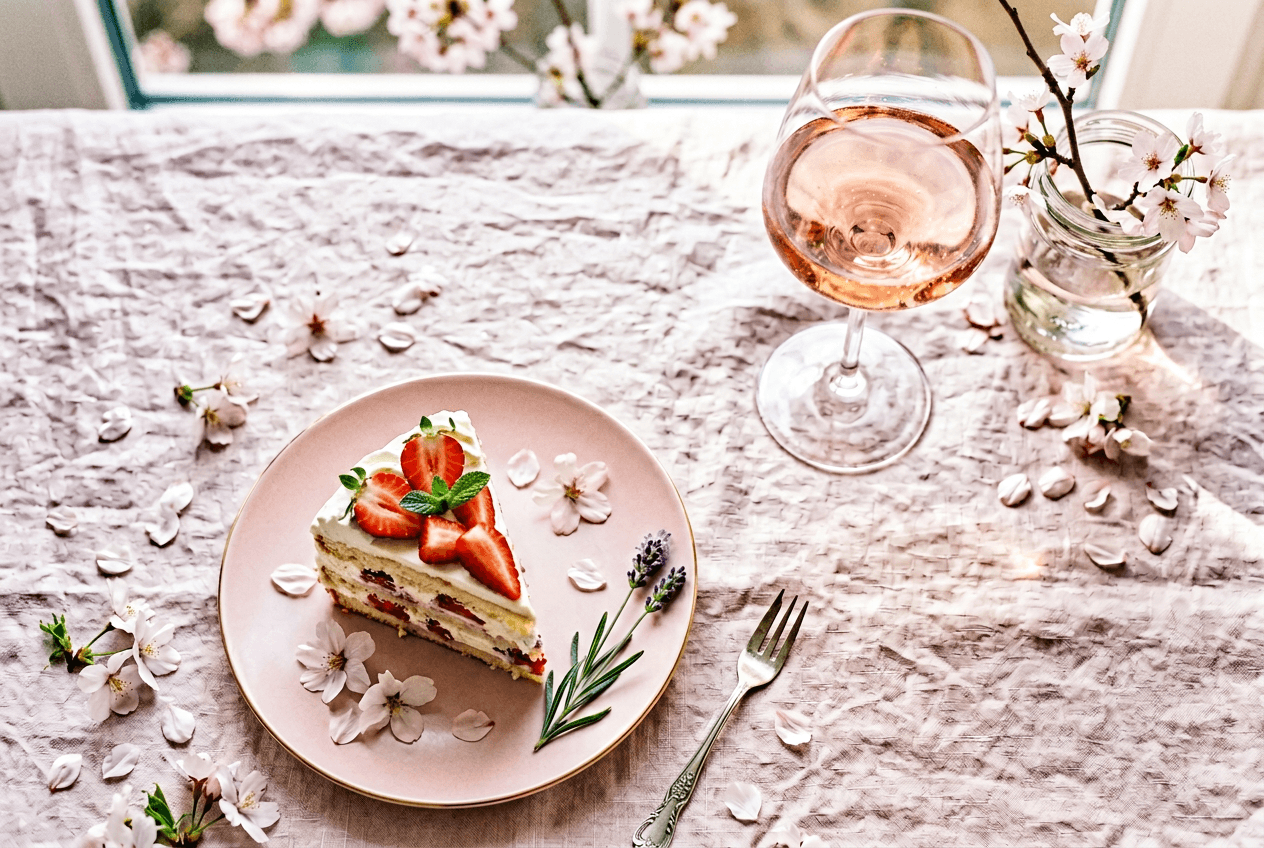 Spring food photography background with cherry blossom petals, strawberry cake, and pastel linen aesthetic
24. Summer Tropical (Banana Leaves & Citrus)
A bright background with large tropical leaves (monstera or banana leaf), sliced citrus, and vibrant color accents. This is high-energy, vacation-mood photography.
Mood: Vibrant, vacation, poolside party. Best for: Tropical smoothies, poke bowls, grilled seafood, fruit platters, margaritas, coconut desserts.
25. Valentine's / Romance (Rose Petals & Blush)
A blush or soft pink surface scattered with dried rose petals, soft candlelight, and warm metallic accents. Romantic without being over-the-top. This background works year-round for any "treat yourself" content.
Mood: Romantic, indulgent, luxe-casual. Best for: Chocolate-covered strawberries, champagne, heart-shaped desserts, pink cocktails, petit fours.
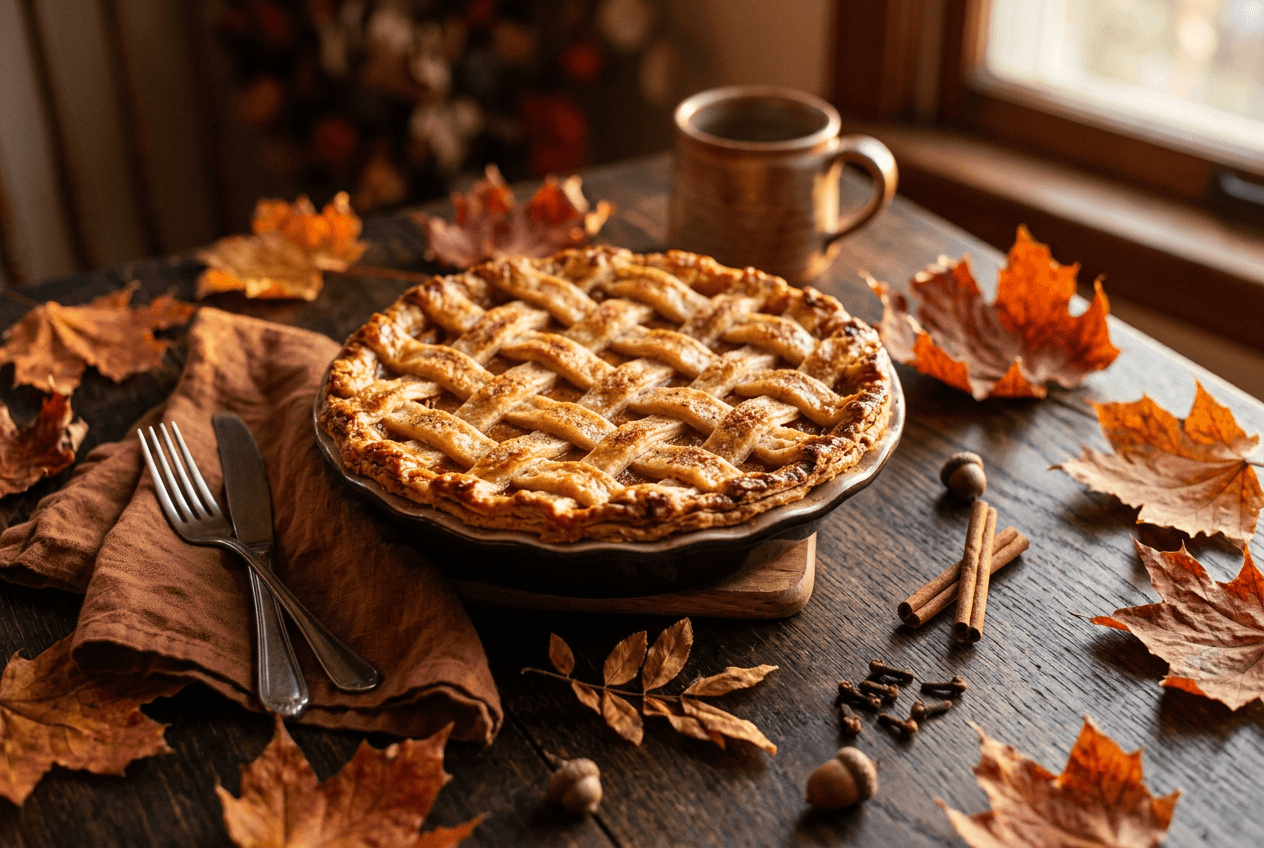 Autumn seasonal food photography with pumpkin pie surrounded by dried leaves and warm harvest elements
Cultural & Global: Food Backgrounds with Identity
Cultural backgrounds add instant geographic and culinary context. They tell the viewer exactly what cuisine to expect before they read a single word. These backgrounds are especially powerful for restaurants with a specific culinary identity.
Want to match a specific cultural style you found on Pinterest or Instagram? FoodShot AI's Pinterest style cloning lets you upload any reference photo and replicate its exact lighting, composition, and background aesthetic onto your own dish.
26. Mediterranean Azulejo Tiles
Blue and white hand-painted ceramic tiles in geometric or floral patterns. These tiles are iconic to Portugal, Spain, and coastal Italy. The vivid blue pops against warm-toned foods, creating stunning visual contrast.
Mood: Coastal Mediterranean, sun-soaked, timeless. Best for: Seafood paella, grilled octopus, bruschetta, olive dishes, Mediterranean salads, limoncello.
27. Japanese Raw Wood (Wabi-Sabi)
Unfinished, light-toned wood with visible knots, grain patterns, and imperfections. The wabi-sabi philosophy celebrates the beauty of imperfection — and this background communicates that immediately. Paired with asymmetrical ceramic plates, it's unmistakably Japanese.
Mood: Zen simplicity, intentional imperfection, quiet elegance. Best for: Sushi, ramen, matcha, mochi, bento boxes, wagashi (Japanese sweets), tofu dishes.
28. Mexican Talavera Ceramic
Vibrant hand-painted tiles featuring bold geometric patterns in cobalt blue, yellow, terracotta, and green. Talavera tiles are visual fireworks — they demand attention and pair best with equally bold, colorful food.
Mood: Festive, bold, celebration. Best for: Tacos, elote, mole dishes, churros, margaritas, guacamole, tamales, Mexican hot chocolate.
29. Moroccan Zellige Tiles
Small, irregular mosaic tiles in deep jewel tones — emerald green, cobalt blue, or rich terracotta. The hand-cut imperfections give zellige its signature look. It's more textured and nuanced than machined tile.
Mood: Exotic, artisan, sensory-rich. Best for: Tagine, couscous, mint tea, baklava, stuffed dates, shakshuka, spiced lamb.
30. Indian Brass Thali Plate (as Background)
A large, round brass or copper thali tray used as the surface itself. The warm metallic tone and engraved patterns create a gorgeous frame for food. Position the camera directly overhead for a circular composition.
Mood: Ornate, warm, ceremonial. Best for: Indian curries, dal, biryani, samosas, chai, naan, Indian sweets, thali meals.
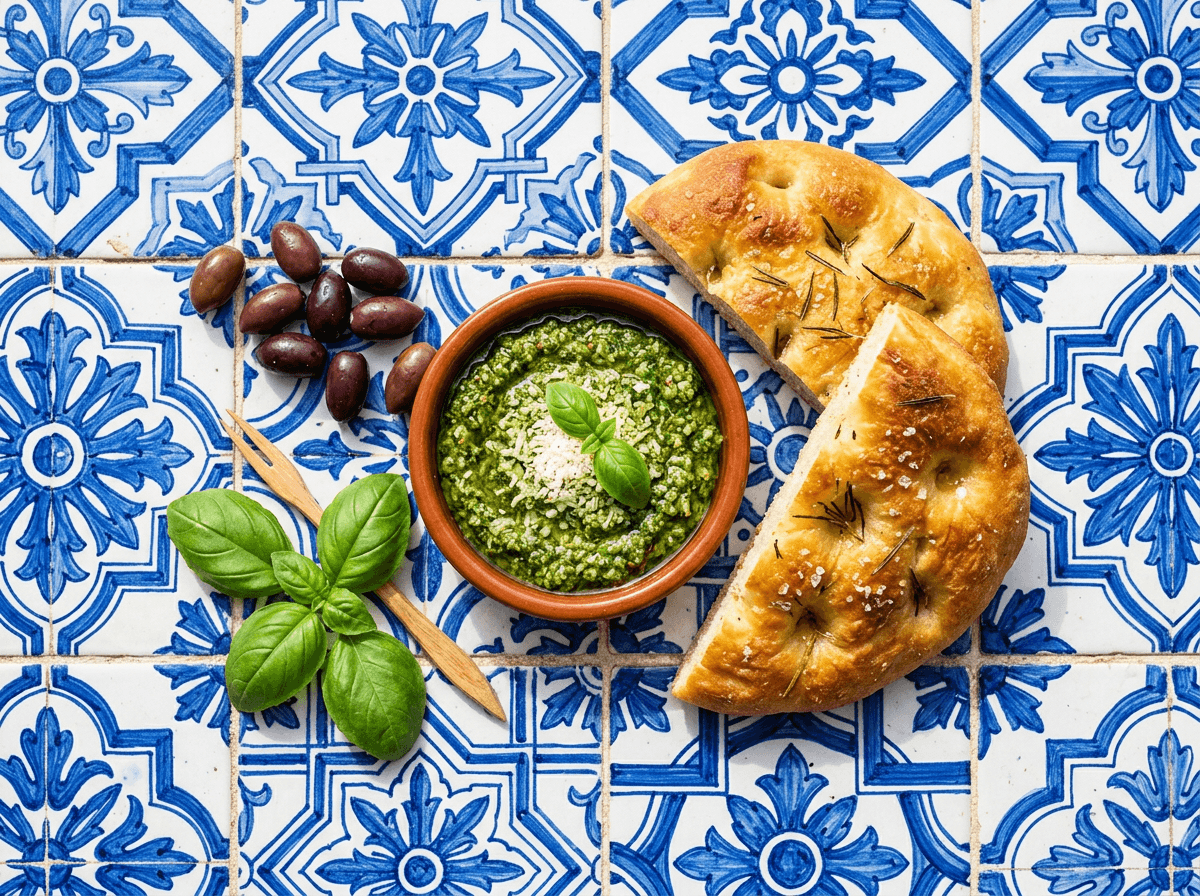 Mediterranean azulejo tile food background with pesto, focaccia, and olives showing cultural food photography aesthetic
Skip the Prop Closet: Get Any Background with AI
Collecting 30 physical backgrounds would cost hundreds of dollars and require dedicated storage space. The alternative? Start with a single smartphone photo and let AI handle the rest.
FoodShot AI's background editor removes your existing background and replaces it with any aesthetic you want — from charcoal slate to Mediterranean tiles — in about 2 minutes. Here's how it works:
- Upload your food photo. Any smartphone photo works. FoodShot supports JPG, PNG, WEBP, and HEIC formats.
- Choose or upload a background. Pick from 30+ built-in preset backgrounds, or upload your own custom background image for exact brand consistency.
- Generate. AI isolates the food, matches the lighting to the new surface, and delivers a realistic, ready-to-use image.
Need to match a specific aesthetic you found on Pinterest or Instagram? Use the style cloning feature — upload the reference image, and FoodShot replicates its lighting, composition, and background onto your dish.
This is especially powerful for:
- Menu updates — Swap every dish to a new background without reshooting anything. See our full guide to food menu background ideas for more inspiration.
- Seasonal refreshes — Switch from warm autumn wood to holiday metallics across your entire menu in an afternoon.
- Brand consistency — Upload your signature background once, then apply it to every new dish. It always matches.
- Bulk processing — The Scale plan processes 5 photos at once, so a 50-item menu can be done in a single sitting.
Each generation uses one credit. Paid plans start at $9/month (billed annually) and include watermark removal, commercial license, and private visibility.
How to Choose the Right Background for Your Food
With 30 options, picking the right one can feel overwhelming. Here are four rules that simplify the decision:
1. Use contrast. Dark food (chocolate cake, black bean soup) pops on light backgrounds. Bright food (colorful salads, berries) stands out on dark surfaces. If the food and background are similar in tone, the image falls flat.
2. Match temperature to cuisine. Warm backgrounds (wood, terracotta, copper) suit comfort food and hearty dishes. Cool backgrounds (marble, concrete, steel) work for clean, modern plating. This isn't a hard rule, but it's a reliable starting point.
3. Think about your brand. A rustic barnwood background won't match a sleek, modern sushi bar's identity. Choose backgrounds that reinforce your existing visual design identity. Need help defining that? Check our restaurant branding guide.
4. Consider the platform. Instagram favors bold, high-contrast images that pop on small screens. Printed menus need backgrounds that reproduce cleanly at any size. Delivery apps like Uber Eats and DoorDash perform best with clean, uncluttered backgrounds that keep focus on the food.
For a deeper dive into composition and food styling techniques, check our comprehensive food photography tips resource.
Frequently Asked Questions
What is the best background color for food photography?
Neutral tones — white, grey, black, and natural wood — are the most versatile. They let the food's color be the star. That said, the "best" color depends on the food itself. Use the contrast rule: dark backgrounds for light-colored food, light backgrounds for darker dishes. Pink and sage are popular alternatives for Instagram-focused food brands.
How do I make food photos look aesthetic?
Three things matter most: consistent lighting (natural side light works best), a complementary background surface, and minimal clutter. You don't need expensive equipment — a smartphone near a window with one good background produces excellent results. For more, see our guide to taking food photos with your phone.
Can I change a food photo background without Photoshop?
Yes. AI tools like FoodShot AI can remove and replace food photo backgrounds in about 2 minutes — no design skills needed. Upload your photo, pick a new background, and download the result on any paid plan. It's significantly faster than manual editing.
What backgrounds work best for Instagram food posts?
High-contrast backgrounds perform best on Instagram because they stand out in the feed at small sizes. Marble (white or black), solid matte colors, and geometric tile patterns all photograph well for the square or 4:5 format. Pink and sage tones are particularly popular for aesthetic food accounts right now.
Do dark or light backgrounds work better for food?
Neither is universally better — it depends on the food and the mood you're creating. Dark backgrounds create drama and sophistication (great for date-night dishes and desserts). Light backgrounds feel fresh and inviting (ideal for brunch, healthy food, and cafes). Most professional food photographers keep both options available.