Local SEO for Restaurants in 14 Steps and 30 Days
 Ali Tanis14 min read
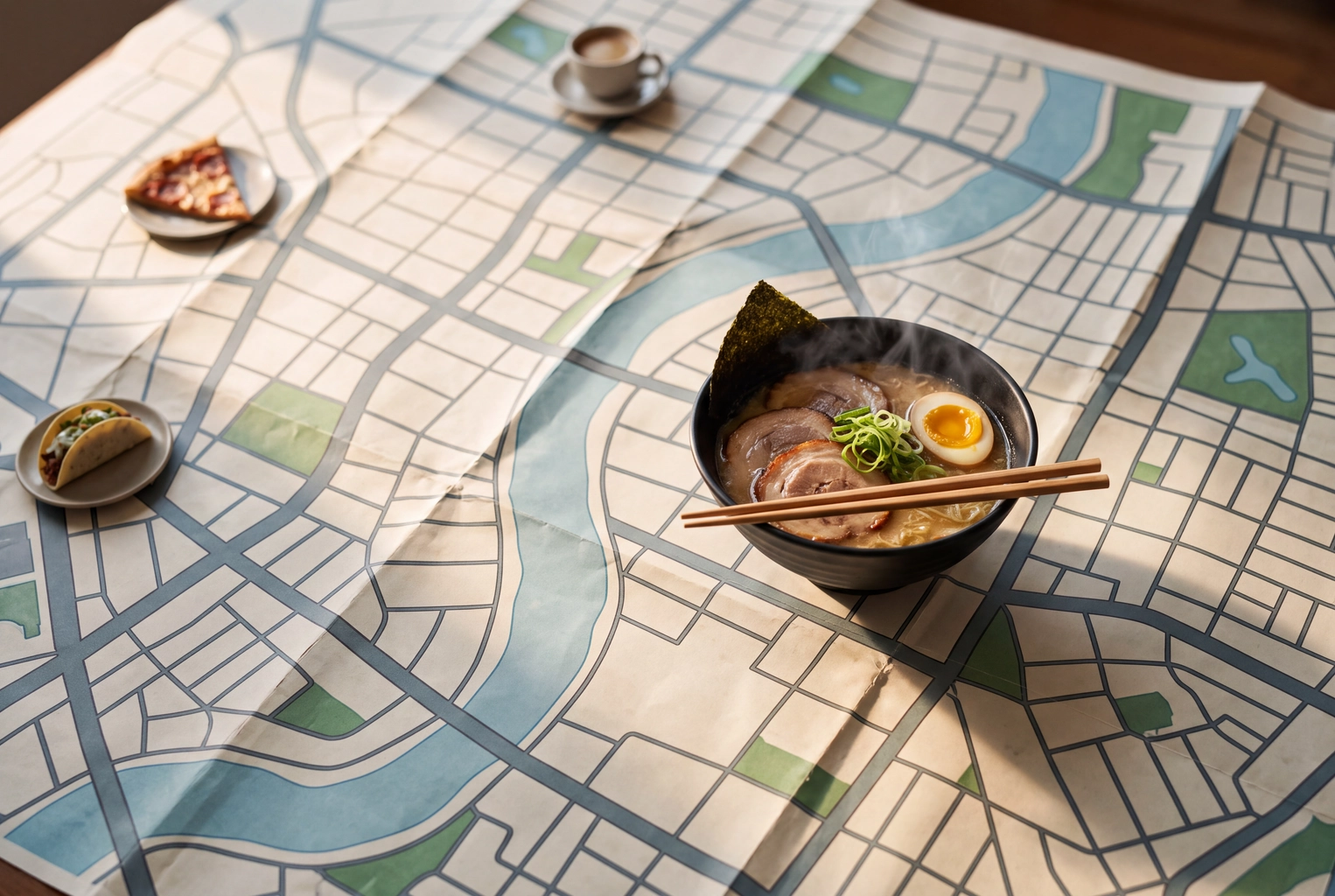
Plenty of restaurants that show up in Google Maps never paid an agency to get there. They filled in a free listing properly, kept it fresh and answered what diners said online. That is the real job of local SEO for restaurants: telling Google, accurately and often, what you cook, where you are and what customers think of you. This guide turns it into 14 steps over 30 days, each scored by effort and impact, plus a photo plan and six review replies to adapt. Our Google Business Profile for restaurants playbook goes deeper on the listing.
Quick Summary: Google ranks local results on relevance, distance and prominence. You can't move distance, so spend 30 days on the other two: a complete profile with the right category (week 1), real photos and a text menu (week 2), answered reviews (week 3), and a website and online listings that all say the same thing (week 4).
How does Google rank restaurants in Maps?
Google ranks local results on three factors: relevance (how well your listing matches the search), distance (how far you are from the searcher) and prominence (how well-known you are). It says so on its local ranking guide, adding that nobody can pay for a better local ranking. Local search engine optimization is work on the two factors you control.
- Relevance comes from your category, dishes, description and attributes. If people search "ramen near me" and your listing never mentions ramen, you are not a match.
- Distance is measured from the searcher. You can't change it; just make sure your pin sits on your front door.
- Prominence is "based on info like how many websites link to your business and how many reviews you have."
Everything else in restaurant SEO (keywords, schema, citations) feeds these levers, and our restaurant marketing ideas pick up where local search ends.
Local SEO for restaurants: the 14-step checklist, scored
Effort is hands-on time for one location. Impact is our judgment of how directly a step feeds a ranking factor; nobody outside Google can measure that, so be wary of anyone selling restaurant SEO with a precise number.
| Step | Week | Effort | Impact | Feeds |
|---|---|---|---|---|
| 1. Claim and verify | 1 | Low (20 min) | High | All three |
| 2. Specific primary category | 1 | Low (10 min) | High | Relevance |
| 3. Hours, attributes, links | 1 | Low (45 min) | High | Relevance |
| 4. One master NAP record | 1 | Low (15 min) | Medium | Prominence |
| 5. Core photo set | 2 | Medium (2-3 hrs) | High | Relevance, clicks |
| 6. Menu editor | 2 | Medium (1-2 hrs) | High | Relevance |
| 7. Text menu on your website | 2 | Medium (1-3 hrs) | High | Relevance |
| 8. Weekly photo rhythm | 2 | Low (20 min/week) | Medium | Freshness |
| 9. Review link and QR code | 3 | Low (30 min) | High | Prominence |
| 10. Reply within 48 hours | 3 | Low (10 min/day) | Medium | Prominence, trust |
| 11. Follow review rules | 3 | Low | Protective | Avoids suspension |
| 12. Local website signals | 4 | Medium (2-4 hrs) | High | Relevance |
| 13. Restaurant schema | 4 | Medium (1 hr) | Medium | Relevance |
| 14. Citations and local links | 4 | High (4-6 hrs) | Medium | Prominence |
One afternoon only? Do steps 1, 2, 3, 5 and 9: low effort, high impact.
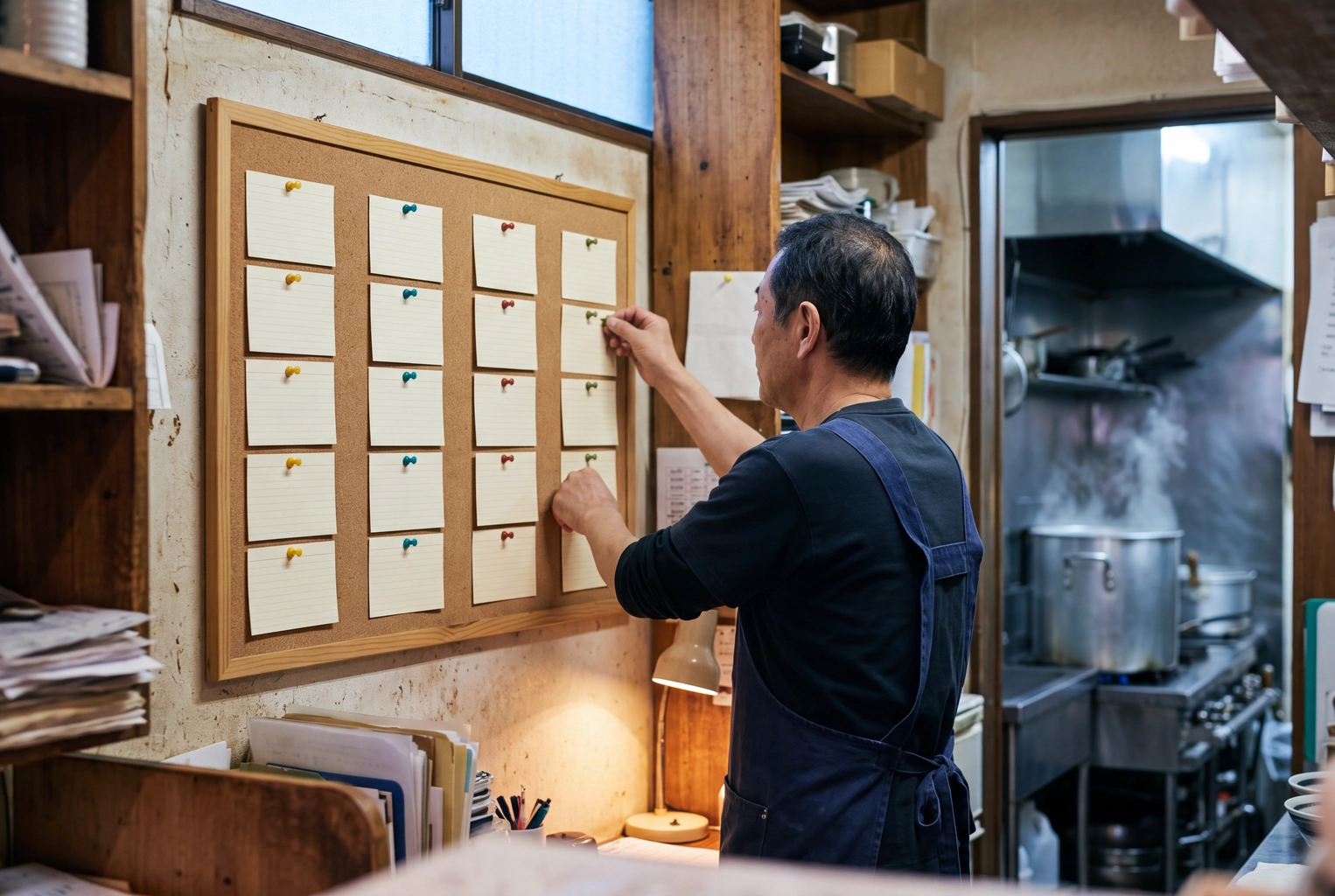 Ramen shop owner pinning blank index cards in four weekly columns on a back-office corkboard, a 30-day local SEO plan
Week 1: profile and categories
Week 1 is profile optimization, the half of local SEO fully in your hands. Google says businesses "with complete and accurate info are more likely to show up in local search results," so optimize these four fields first.
1. Claim and verify your profile
Search your restaurant's name and city, choose "Own this business?" and claim your Google Business Profile. Verification can take a few days, so start on day 1. It also unlocks your photos, which Google only shows after verification.
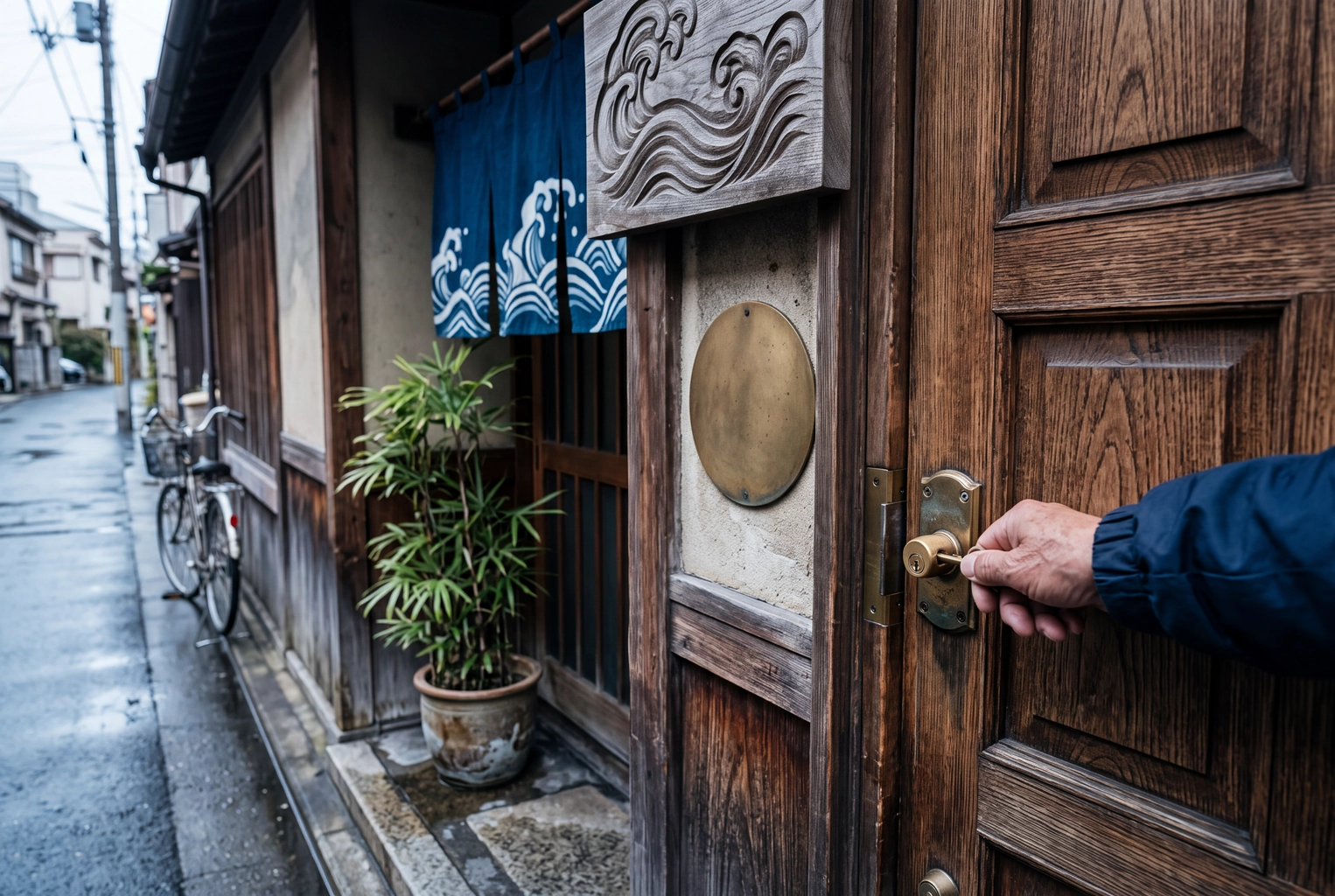 Owner unlocking the door of a small ramen restaurant under its permanent sign, the real-world name and address Google verifies
2. Pick the most specific primary category
Your primary category is the strongest SEO signal you control. Google's category guide says a "Pizza restaurant" might appear in searches for restaurants, Italian restaurants or pizza. Choose the narrowest true category ("Ramen restaurant," not "Restaurant") and add secondary ones sparingly; Google asks for "the fewest number of categories" that describe you.
3. Fill every field Google gives a restaurant
Restaurant categories unlock Google Business Profile links for your menu, reservations and online orders; fill all three. Set regular and holiday hours, then attributes like outdoor seating, vegan options and Wi-Fi. Attributes work like filters people tap in Maps, so a missing "outdoor seating" tick can hide you from patio searches. Google bans links and sales lines in the description, so just tell customers what you cook.
4. Write one master NAP record
Write down one exact version of your name, address and phone number (NAP) and copy it everywhere. Use your real-world name: Google's guidelines for representing your business say extra words in it "could result in the suspension" of the listing. "Luigi's" is fine; "Luigi's Best Pizza Brooklyn" stuffs keywords into the name, and anyone on Maps can suggest an edit that strips them out.
Week 2: photos and menu
Week 2 shows Google and customers what you serve. For a ramen search, a listing with tonkotsu ramen in its photos and dish list beats one with only a logo and an address.
5. Upload the core photo set
Google asks for at least three exterior, three interior, three food and drink and three team photos in its business-specific photo tips, with dishes "evenly lit" and every image in focus and true to life. In plain terms: the dish in the photo is the dish on the plate.
This is the restaurant SEO step owners skip most, because a shoot costs real money (see our food photography cost breakdown) and a dim phone snap of your burger loses to the place across the street. FoodShot is built for this gap: upload a phone photo of the real dish, pick one of 200+ styles, and get a lit, menu-ready 2K photo in about a minute. Our Google Business Profile food photos guide covers the crop for every slot. Plans start at $15 for 25 photos a month (pricing); there is no free plan.
6. Build the menu in Google's menu editor
Use the menu editor to type sections, dishes, short descriptions and prices, and attach a photo to each best seller. Typed items give Google text to match against dish searches. Dish words are your best keywords, so use what people type: "chicken shawarma wrap," not "The Sultan." Our menu descriptions guide has 18 before-and-after rewrites.
7. Publish a text menu on your website
Google can index PDFs, but a PDF is slow to open on a phone and sits apart from your address and hours. Put an online menu in plain text on your website, using the same dish keywords as your Google one, with a photo beside each top seller. Our photo menu guide explains why dishes with photos sell.
8. Set a weekly photo rhythm
Google shows the newest photos first, so a steady trickle keeps what people see current. Book 20 minutes a week for two or three new dish shots (a special, a seasonal plate) and reuse them on social media; our restaurant social media strategy shows how to batch them.
What photos should a restaurant post on Google?
Post Google's minimums (three exterior, three interior, three food and drink, three team) plus a cover and logo, as JPG or PNG files between 10 KB and 5 MB. Google recommends 720 x 720 px and accepts 250 x 250 px as the floor, per its photo guidelines.
| Shot | Google minimum | Launch target | Refresh | Framing |
|---|---|---|---|---|
| Cover | 1 | 1 | Each season | 16:9, signature dish |
| Logo | 1 | 1 | Rarely | Centred for a circle crop |
| Exterior | 3 | 4 | After signage changes | One per approach, day and night |
| Interior | 3 | 5 | After a refit | Seating as a guest sees it |
| Food and drink | 3 | 15 top sellers | 2-3 new a week | Square-safe, evenly lit, one dish |
| Team | 3 | 3 | Yearly | Staff at work |
| Video | None | 1-2 | Quarterly | Up to 30 seconds, 720p or higher |
Two more details from Google's help pages: a low-quality cover may be swapped for a customer's photo, and uploads can take 24 to 48 hours to appear.
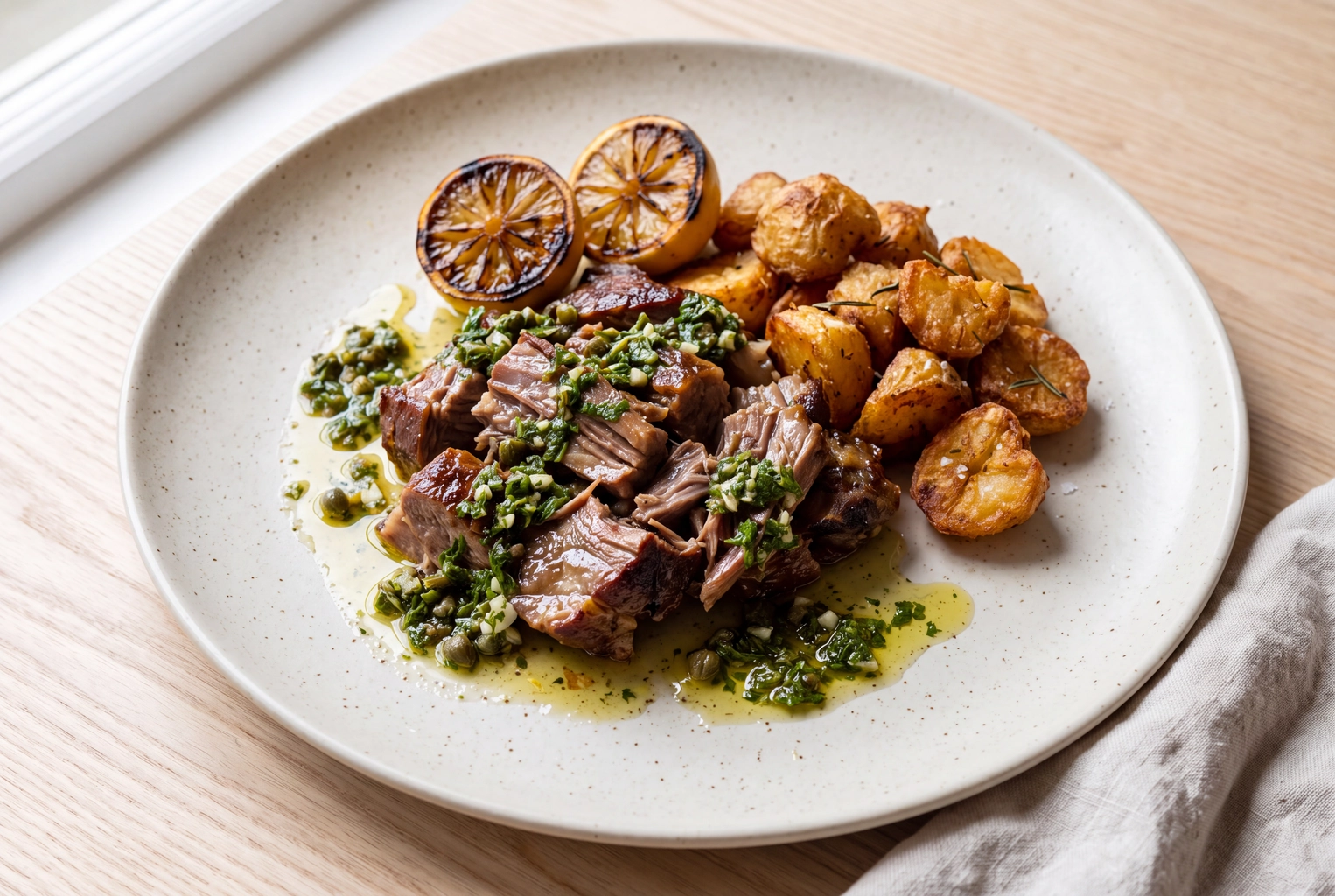 Evenly lit slow-roasted lamb shoulder with salsa verde centred on a pale plate, a square-safe food photo for a Google Business Profile
Week 3: reviews
Online reviews count twice: Google uses their number and ratings for ranking, and customers use them to choose. BrightLocal's Local Consumer Review Survey 2026 found 74% of consumers look for reviews from the last three months, and 31% only use businesses rated 4.5 stars or higher, up from 17% a year earlier. Reviews are the slowest SEO lever, so start now.
9. Ask every guest with a link or QR code
Create a review link or QR code from your Google Business Profile. Print it on the receipt or takeaway bag, add it to the post-visit emails you already send (see our email marketing for restaurants templates), and have staff ask every table the same way. Let customers write at home; don't stand over them. Building a steady flow beats a one-off spike, since diners check recent feedback.
10. Reply to every review within 48 hours
The same survey found 80% of consumers are more likely to use a business that replies to all its reviews, while generic replies put off half of them. Google's reply tips agree: be short, use the reviewer's name, don't send everyone the same "thank you," and don't push deals.
11. Stay inside Google's rules
Google strictly prohibits incentives "like free or discounted goods or services" for posting, changing or removing reviews, so no "free dessert for five stars." Its Maps content policy also bans selectively asking happy customers (review gating). Never buy online reviews; flag fake or abusive ones instead of arguing in public.
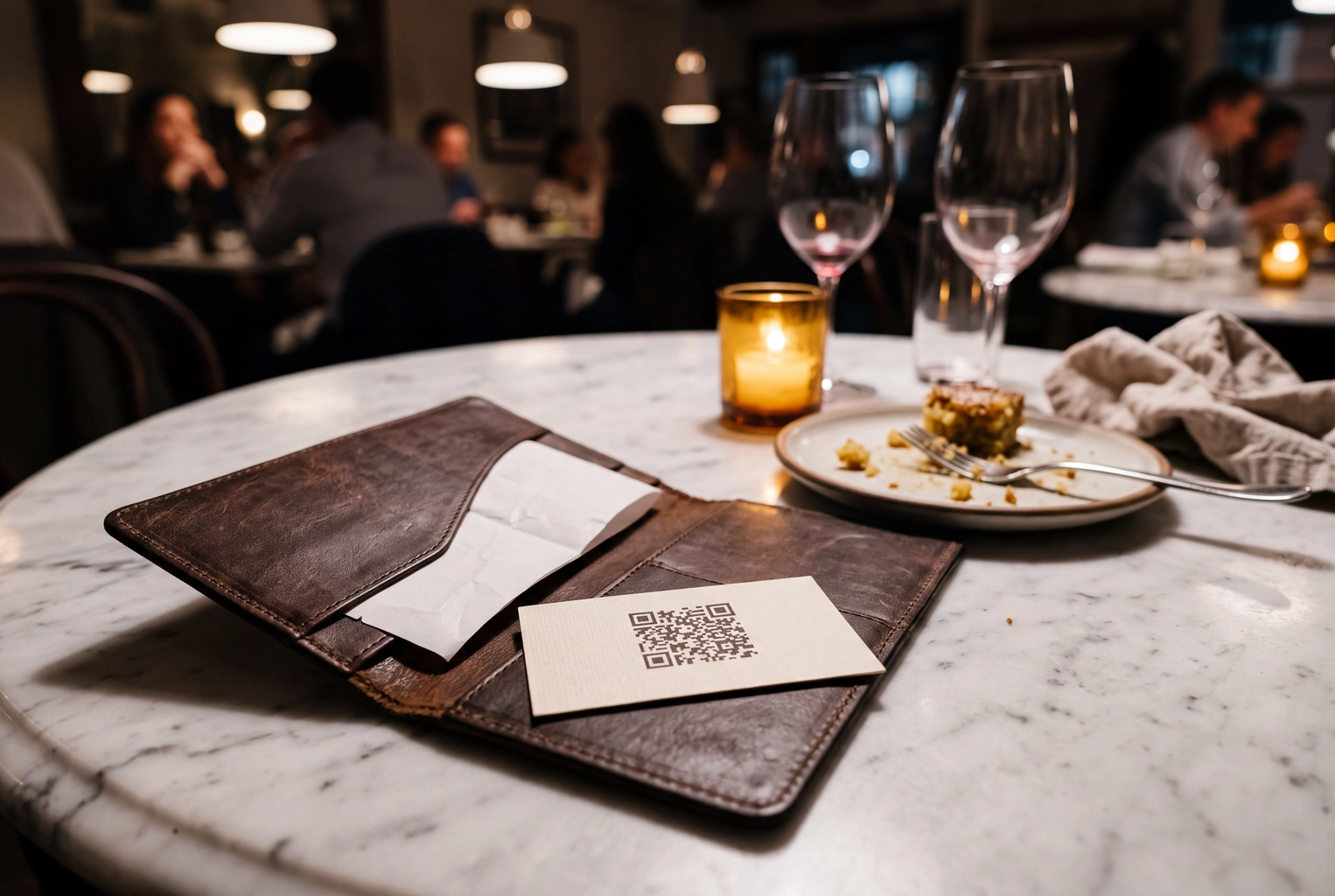 Open check presenter with a receipt and a small review QR code card on a candlelit bistro table after dinner
Six review replies you can adapt
Treat these as shapes: swap in the guest's name, the dish and your sign-off, or they become the copy-paste replies diners dislike.
5 stars, mentions a dish
Thanks, Priya! The lamb shoulder spends nine hours in our oven, so it's good to hear it landed. It stays on until March. – Marco, owner
5 stars, no detail
Thank you, James, glad Friday was a good one. On a weeknight, ask for the corner booth; it's our quietest table. – Marco
3 stars, mixed
Thanks for the honest note, Dana. Mains took too long on Saturday; we were a cook down and should have told you. – Marco
1 star, food problem
Sam, I'm sorry your pasta arrived lukewarm. Takeaway orders now leave straight from the pan. Email me at marco@example.com if you'd like to tell me more. – Marco
1 star, a visit you can't find
Hi Alex, we take this seriously but can't find a booking or payment for that evening. Could you email marco@example.com with the date and time? – Marco
A review you have flagged
We have no record of this visit and have asked Google to look at it. If we've missed something, please contact marco@example.com. – Marco
Week 4: website and citations
Week 4 is the off-Maps half of restaurant SEO. Your website turns Maps traffic into bookings, while links and consistent citations feed prominence.
12. Make your website say where you are
Restaurant website SEO is simpler than agencies suggest. Put cuisine and neighbourhood or city in the homepage title tag ("Neapolitan Pizza in Park Slope, Brooklyn | Luigi's"), repeat the city in the main heading, show your NAP in the footer, embed a map, and keep online booking and ordering buttons at the top. Traffic from Maps lands here, so test it on your phone and fix anything slow first.
SEO keyword research is short for a restaurant. Your keywords are cuisine plus city or area ("Thai restaurant Shoreditch"), dish plus "near me" ("birria tacos near me"), and occasions (brunch, private dining), with distinct offers on their own pages. For benchmarks, see the best restaurant websites we scored on six tests and our restaurant website cost tiers.
13. Add Restaurant schema markup
Schema is the most technical SEO step here: code that states your facts for search engines. Google's structured data documentation uses a Restaurant example with address, geo coordinates, telephone, servesCuisine, priceRange and opening hours. Most website builders have a plugin for it; copy your NAP exactly and run Google's Rich Results Test.
14. Clean up citations and earn local links
Citations, your NAP on online directories, are a classic local SEO signal. Claim and match them on Apple Business Connect, Bing Places, Yelp, Tripadvisor, Facebook, your booking platform and every delivery app (our Uber Eats and DoorDash photo guide has their specs). BrightLocal's 2026 survey found AI tools like ChatGPT have climbed to third place for local recommendations; they can only repeat what the web says, so a wrong number on an old directory travels further.
Then do some local link building, since Google names links as part of prominence: a local paper write-up, your business association's directory, a fundraiser sponsor credit, or a collaboration with a local creator (see our food influencer guide). In our view, three real local links beat thirty directories that send no traffic.
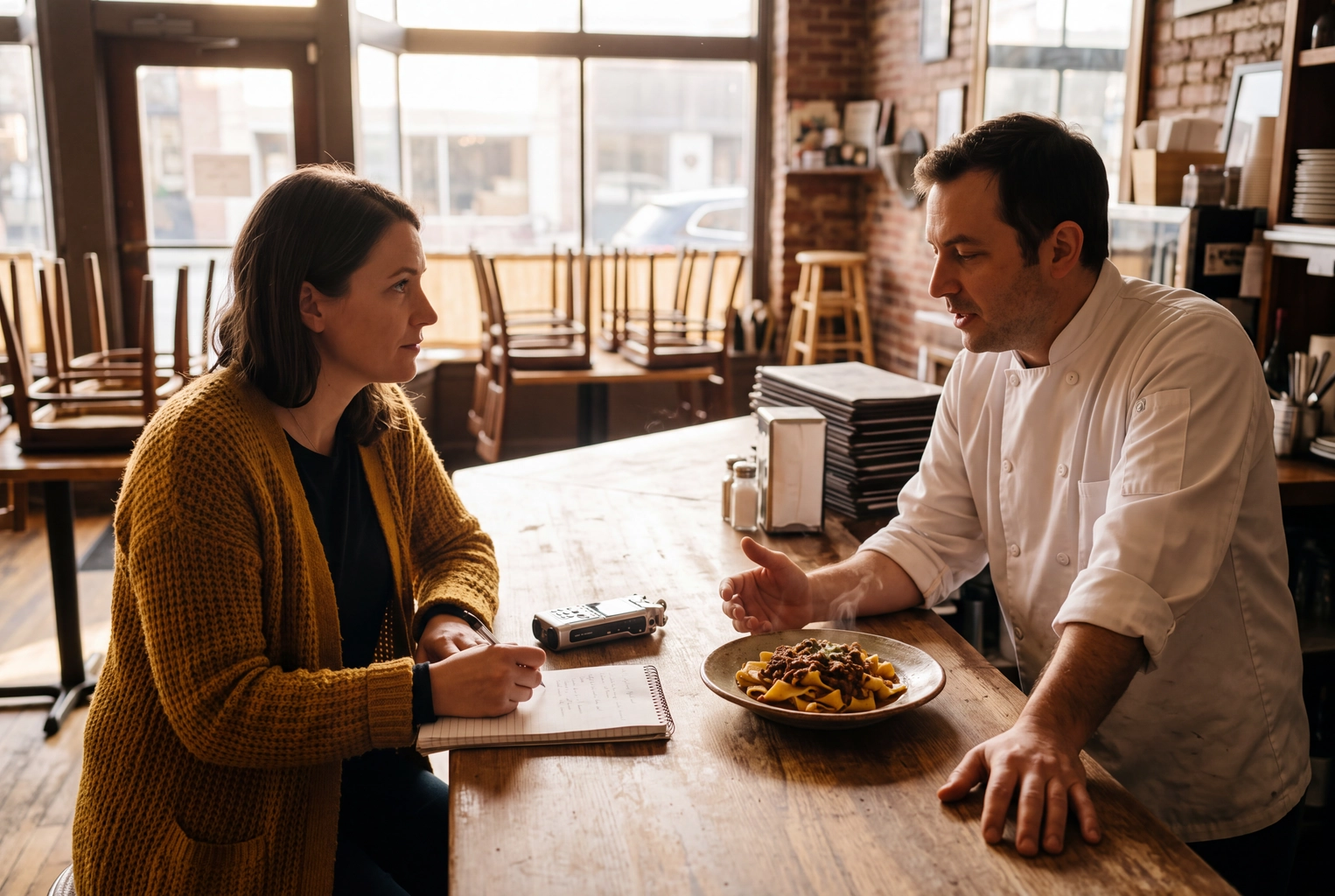 Local food journalist with a notepad and recorder interviewing a chef at the counter, the kind of write-up that earns local links
Frequently Asked Questions
How long does local SEO take for a restaurant?
Category, hours and photo fixes show within days. Review-driven prominence takes months. Judge your local SEO at day 60 to 90 by comparing calls, direction requests, website clicks and foot traffic.
Do I need an agency for restaurant SEO?
Not for these 14 steps; one location can do them in 15 to 20 hours in month one, then an hour a week. Walk away from "guaranteed #1 in Maps" packages, since Google says local ranking can't be bought. Paid placement is a separate channel (see Google Ads for restaurants), and our restaurant marketing budget guide helps you weigh hours against an SEO retainer.
Does local SEO help a restaurant show up in ChatGPT answers?
Probably, though nobody outside those companies knows how they choose. AI assistants answer "where should I eat" from what's published online about you: listings, reviews, dishes and your website. Consistent facts and fresh reviews, the same local SEO work, are the best preparation.
Start Monday with step 1 and block the four weeks in your calendar today. Reviews and photos keep adding up, so restaurant SEO rewards the restaurants that keep going. Once the listing runs, our 12-month restaurant marketing plan and 25 ways to increase restaurant sales show what to stack on top.