25 Restaurant Promotions That Fill Slow Nights
 Ali Tanis16 min read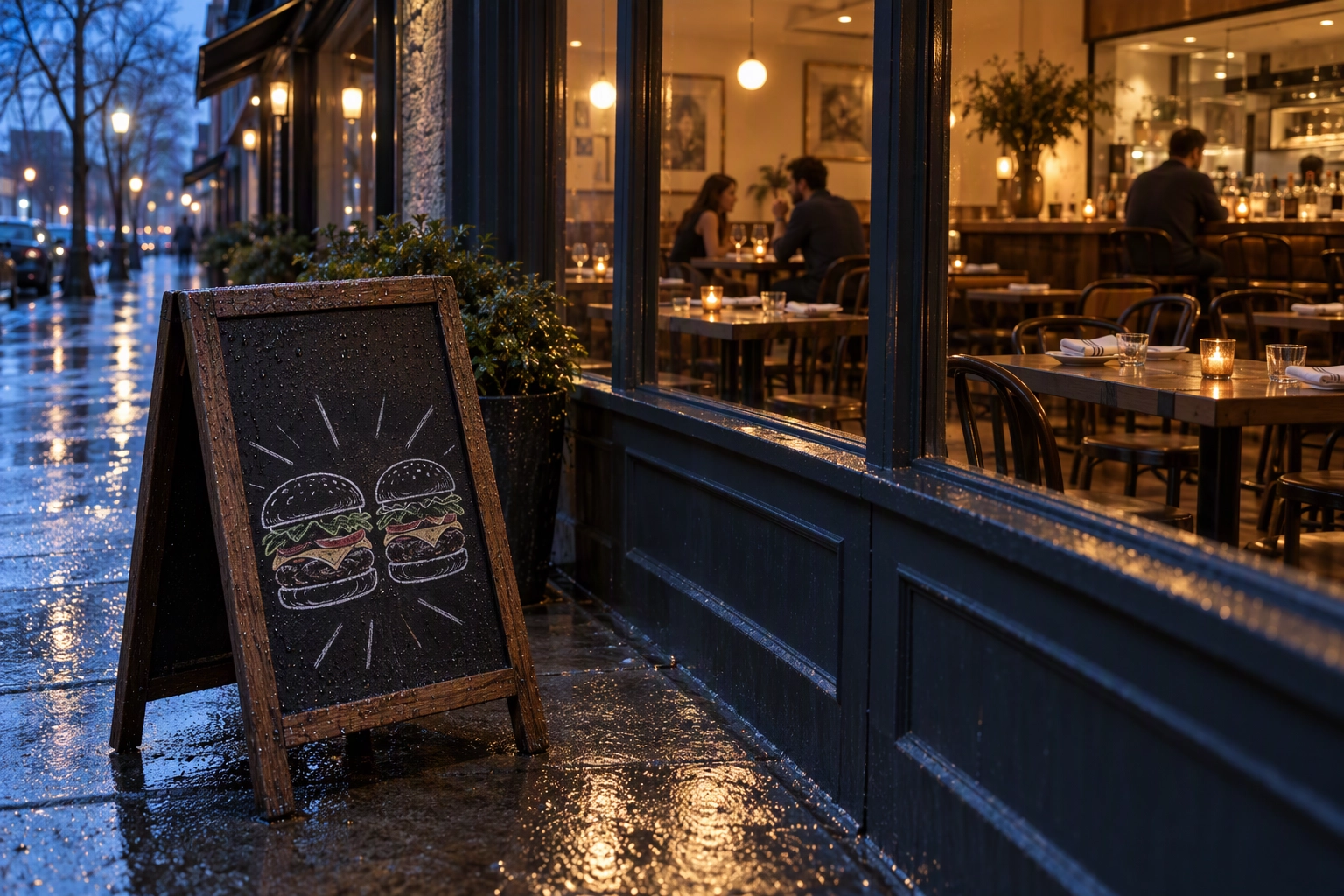
It's 7:40 on a Tuesday, you have 70 seats and 22 of them are full. Most restaurant promotions pitched as the cure (BOGO, happy hour, a loyalty card) can fill those seats. Some also lose money on every table they fill, and a busy room hides it.
Most restaurant promotion ideas lists stop at the idea. This one scores 25 restaurant promotions on three numbers: cost per redemption, extra covers needed to break even, and the day-part each one fills. One is worked through line by line, so you can rerun the math with your own 2026 costs.
Quick Summary: Restaurant promotions pay when the extra covers they bring in outweigh what you give away to customers who would have come anyway. On a $30 average spend, a free second burger needs 9 new covers per 10 redemptions to break even; a free birthday dessert needs 2. Give away plate cost, not menu price, and aim deals at your slowest day-part.
How do you know a restaurant promotion won't lose money?
A restaurant promotion breaks even when the extra covers it brings in, multiplied by the margin on each cover, pay for everything you give away to every guest who redeems it (including regulars who would have paid full price) plus the fixed cost of running it. If that number is negative, the full room is costing you money.
Three numbers do the work:
- Contribution per cover. Average spend per cover × (1 − food and beverage cost % − card fees %). Leave labour out on a slow night, because the crew is already scheduled. If the promo forces an extra server, add that shift to fixed cost.
- Cost per redemption. What you give up versus a full-price visit. A discount on something the guest would have ordered anyway costs the menu price. An add-on they wouldn't have bought, like a birthday dessert, costs only the plate cost. That one distinction decides most restaurant promotions.
- Fixed cost per run. The social boost, the printed table tents, the trivia host.
The formula: new covers needed = (redemptions × cost per redemption + fixed cost) ÷ contribution per cover. "New covers" means covers above your baseline: average the same weekday over the last six weeks and subtract it. If you don't know your plate costs yet, start with menu engineering.
The model restaurant has 70 seats, a $30 average spend, 30% food and beverage cost and 3% card fees: $20.10 contribution per cover. Your numbers will differ; the method won't.
Why it matters now: the National Restaurant Association's 2026 State of the Restaurant Industry report found 60% of operators saw softer traffic in 2025, and the USDA's September 2026 Food Price Outlook forecasts food-away-from-home prices up 3.5% in 2026. Customers want value, and your margin has less room to fund it.
The break-even worksheet: 25 restaurant promotions scored
The table scores all 25 restaurant promotions on the same model: cost per redemption, new covers needed per 10 redemptions to pay for the giveaway, and fixed cost per run converted into extra covers. Lower is safer. Deals needing more new covers than they have redemptions only work on a nearly empty night.
| Promotion | Day-part | Cost per redemption | New covers per 10 redemptions | Fixed cost (extra covers) |
|---|---|---|---|---|
| 1. Burger BOGO | Tue dinner | $18.00 | 9 | $85 (+5) |
| 2. Taco Tuesday | Tue dinner | $6.00 | 3 | $50 (+3) |
| 3. Kids eat free | Mon–Tue early | $8.00 | 4 | $40 (+2) |
| 4. Pizza + pitcher, $35 | Mon–Wed dinner | $9.00 | 5 | $50 (+3) |
| 5. Prix fixe, $39 | Tue–Thu dinner | $8.00 | 4 | $60 (+3) |
| 6. Half-price wine bottles | Wed dinner | $24.00 | 12 | $40 (+2) |
| 7. Industry night | Mon late | $6.00 | 3 | $0 |
| 8. Happy hour | 3–6 pm | $8.00 | 4 | $50 (+3) |
| 9. Early-bird, 15% off | 4–5:30 pm | $4.50 | 3 | $30 (+2) |
| 10. Last-hour special | Final hour | $5.50 | 3 | $0 |
| 11. Dessert + coffee, $10 | 2–5 pm | $3.00 | 2 | $25 (+2) |
| 12. Lunch guarantee | Weekday lunch | $0.80 | 1 | $25 (+2) |
| 13. Punch card | Mon–Wed | $3.00 | 2 | $40 (+2) |
| 14. Points app | Any | $1.50 | 1 | Platform fee |
| 15. Bounce-back card | Mon–Wed | $10.00 | 5 | $25 (+2) |
| 16. Birthday dessert | Any | $2.25 | 2 | $0 |
| 17. Win-back email | Mon–Wed | $3.60 | 2 | $0 |
| 18. Trivia night | Wed 7–9 pm | $0 | 0 | $150 (+8) |
| 19. Share-to-win contest | Any | $0 | 0 | $50 (+3) |
| 20. Local tap takeover | Thu dinner | $0 | 0 | $100 (+5) |
| 21. Limited-time dish | Slow nights | $0 | 0 | $75 (+4) |
| 22. Gift card bonus | Jan–Mar | $10.00 | 5 | $25 (+2) |
| 23. Family meal bundle | Sun–Tue takeout | $13.00 | 7 | $50 (+3) |
| 24. Direct-order 10% off | Takeout | $3.00 | 2 | $0 |
| 25. App offer, $5 off $25 | Slow delivery | $5.00 | 3 | $0 + commission |
New covers per 10 redemptions = 10 × cost per redemption ÷ $20.10, rounded up; extra covers = fixed cost ÷ $20.10, rounded up. For happy hour and afternoon slots, where a full-price guest spends under $30, rerun the row with that day-part's spend.
BOGO, the most copied of all deals on the ranking lists, is the second most expensive row. The cheapest restaurant promotions give away plate cost or nothing.
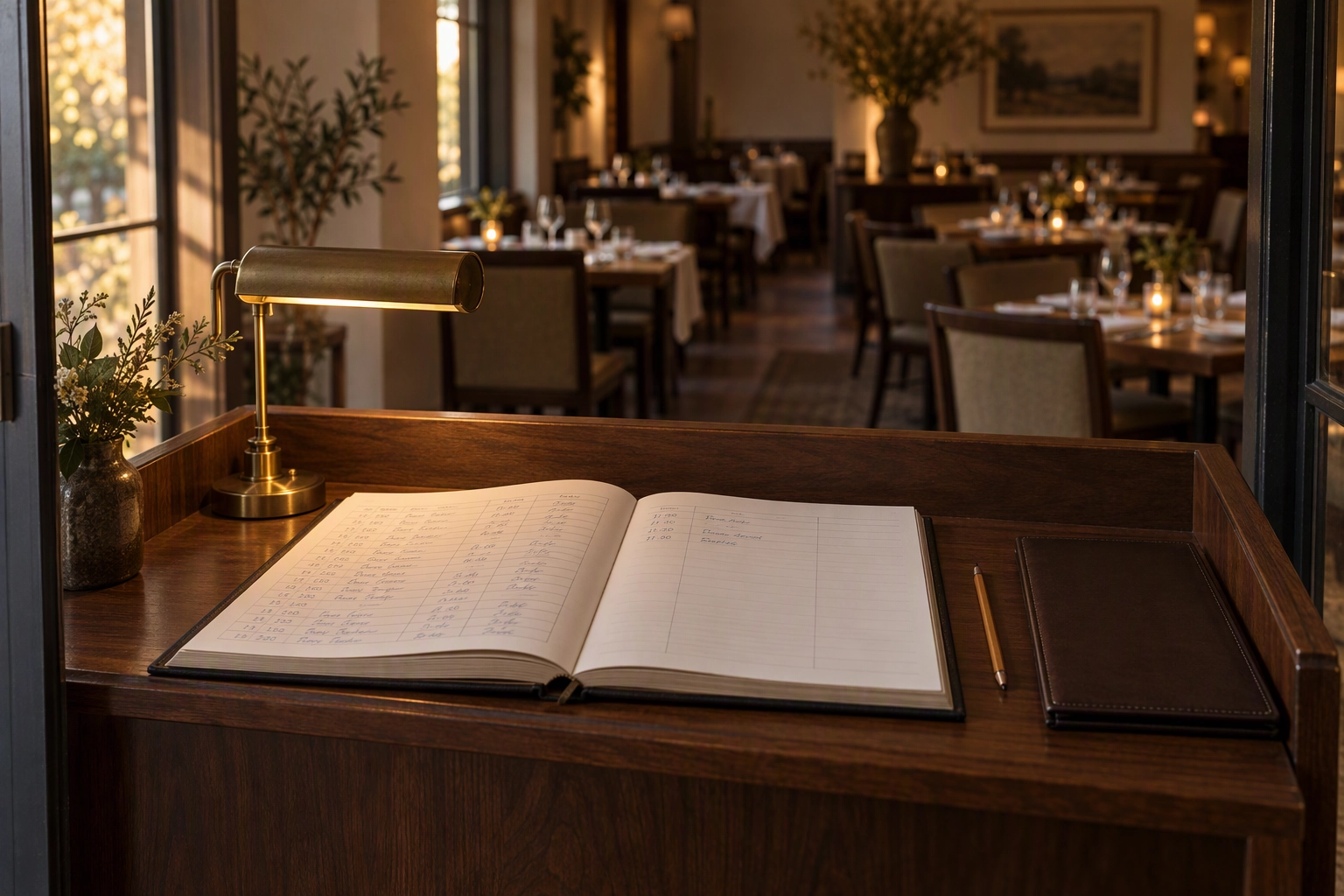 Restaurant host stand with a reservation book open to a sparse Tuesday page, the six-week baseline a promotion break-even worksheet starts from
Worked example: is a Tuesday burger BOGO worth it?
A buy-one-get-one night needs about half of its redeeming covers to be genuinely new customers before it makes a cent. With 30 redemptions, an $18 main and $85 of fixed cost, it needs 32 covers above a normal Tuesday, and a night that looks packed can still lose $143.
- Baseline. The last six Tuesdays averaged 60 covers.
- Offer. Buy one at $18, get the second free, dine-in only, 5–9 pm.
- Fixed cost. $60 to boost the post on Facebook and Instagram, $25 for table tents: $85.
- Cost of redemptions. 30 × $18 = $540. Menu price, not the $5.40 plate cost, because for a pair who would have come anyway the free patty is revenue you'd have collected.
- Break-even. ($540 + $85) ÷ $20.10 = 31.1, so 32 new covers. The night must reach 92 covers.
- Reality check. The night does 84 covers: 24 new × $20.10 = $482.40 against $625 of cost, or −$142.60. The busiest Tuesday of the quarter lost money. That's how restaurant promotions leak margin in a full room.
The fix is small: half price on the second patty with any drink purchase. 30 × $9 + $85 = $355, so break-even drops to 18 new covers and the same 84-cover night clears +$127.40.
One more 2026 wrinkle: the USDA forecasts beef and veal prices up 9.4% in 2026. Re-cost the patty before you print.
Weeknight dinner promotions (Monday to Wednesday)
Weeknight restaurant promotions work best when they bundle or add rather than cut the core menu price. Of the seven below, Taco Tuesday, industry night and a prix fixe carry the lowest break-even cost; BOGO and half-price wine only pay when those items barely sell at full price on that night.
1. Tuesday burger BOGO
Worked through above: 9 new covers per 10 redemptions. Run the half-price version, one night only, and shoot the dish properly: burger photos that show the melt sell it before anyone reads the terms.
2. Taco Tuesday
$3 tacos instead of $5, about three per guest: $6 per redemption, 3 new covers per 10. Low plate costs plus drink and side attach are why Taco Tuesday outlives most weeknight deals. Post taco photos, not text.
3. Kids eat free
One free $8 kids' meal per adult entrée purchase, Monday and Tuesday 4:30–7 pm: 4 new covers per 10. One of the best family deals; useless for a cocktail bar.
4. Pizza and pitcher for two
$35 instead of $44 à la carte: $9 per redemption, 5 new covers per 10. It fits on a sidewalk board and lifts drink attach. Pizza photos with the pitcher in frame tell the whole pizza offer in one image.
5. Weeknight prix fixe
Three courses for $39 against $47 à la carte: $8 per redemption, 4 new covers per 10. At $39 it sits above the $30 average spend, so the table understates it. Write menu descriptions that make it feel chosen, not cheap.
6. Half-price bottles of wine
$24 off a $48 bottle, 12 new covers per 10: the only row needing more new covers than redemptions. It pays only if you sell almost no bottles on a normal Wednesday. Check your state's alcohol rules first.
7. Industry night
20% off for hospitality workers with a pay stub, Mondays from 9 pm: $6 per redemption, 3 new covers per 10, no fixed cost. Servers and cooks market it by word of mouth to their own guests.
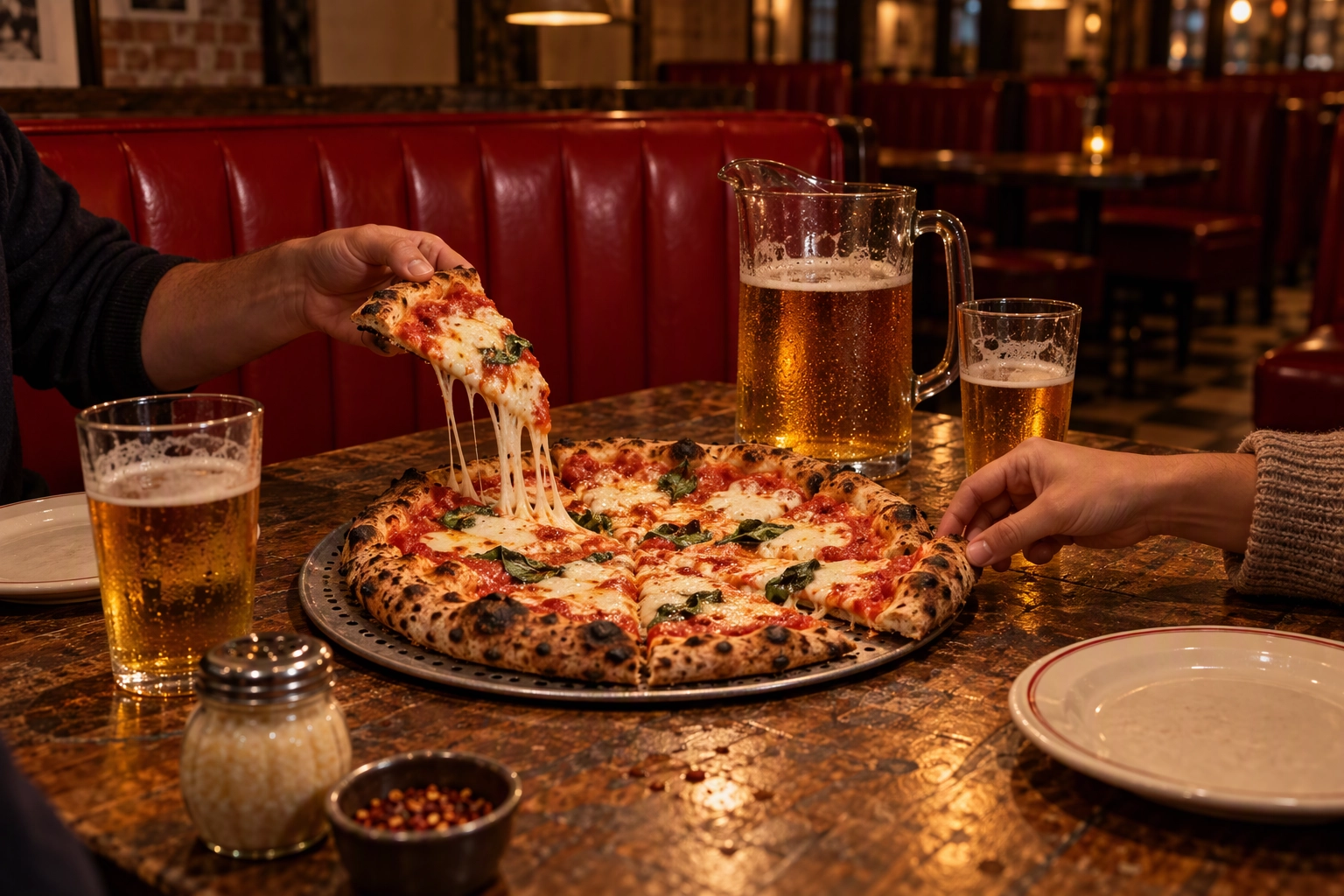 Pizza and pitcher for two on a pizzeria booth table, a weeknight bundle promotion that lifts drink attach on a slow Wednesday
Off-peak and late-night deals
Off-peak restaurant promotions are cheap because the baseline in those hours is near zero, so almost every redeeming guest is new. The National Restaurant Association found 76% of adults would likely use dining deals between traditional meal periods. Early-bird, last-hour and afternoon deals need 1-3 new covers per 10.
8. Happy hour, 3 to 6 pm
$2 off drafts and wine plus half-price snacks: about $8 per redemption, 4 new covers per 10. Massachusetts has banned discounted-drink happy hours since 1984, so check local law. For a bar or lounge, cocktail photos with condensation and garnish beat bottle shots.
9. Early-bird dinner
15% off before 5:30 pm: $4.50 per redemption, 3 new covers per 10. It moves diners from the 7 pm crush to 4:30.
10. Last-hour special
25% off food in the final hour: $5.50 per redemption, 3 new covers per 10, zero fixed cost, and it sells prep you'd otherwise throw out. Announce it in Instagram Stories at the hour.
11. Afternoon dessert and coffee
Dessert plus coffee for $10 instead of $13, 2 to 5 pm: $3 per redemption, 2 new covers per 10. A cafe guest spends less than a dinner cover, so rerun the row. Dessert photos carry this one.
12. The 15-minute lunch guarantee
Lunch in 15 minutes or it's free. Miss on 5% of $16 lunches and it costs $0.80 per redemption, 1 new cover per 10. Only run it with a lunch menu your kitchen fires in 12 minutes.
Loyalty and return-visit rewards
Loyalty-based restaurant promotions spread one giveaway across several paid visits, so they carry the lowest cost per redemption on the worksheet. The NRA's 2025 Off-Premises Restaurant Trends report found 65% of drive-thru users and over 60% of takeout and delivery users say loyalty membership affects where they eat.
13. Punch card: sixth entrée free
An $18 entrée after five paid visits costs $3 per stamped visit: 2 new covers per 10 stamps. Double stamps Monday to Wednesday and the loyalty card steers visits into slow nights.
14. Loyalty points program
$5 in rewards per $100 spent is a 5% rebate: $1.50 per visit, 1 new cover per 10. The real cost is the platform fee; it earns it by pushing exclusive offers to members on slow afternoons.
15. Bounce-back card
Give every weekend table a card worth $10 off a Monday-to-Wednesday visit within 30 days: 5 new covers per 10, but it moves weekend customers into weeknights, which is the point.
16. Birthday-month free dessert
A free dessert in the birthday month, collected through an email signup: $2.25 plate cost, 2 new covers per 10. Birthday customers rarely dine alone, so each redemption brings a full-price table.
17. Win-back email
Email customers who haven't visited in 60 days a free small plate valid Monday to Wednesday. They weren't coming anyway, so it costs the $3.60 plate cost: 2 new covers per 10. Keep it exclusive to the email list, with a photo of the dish.
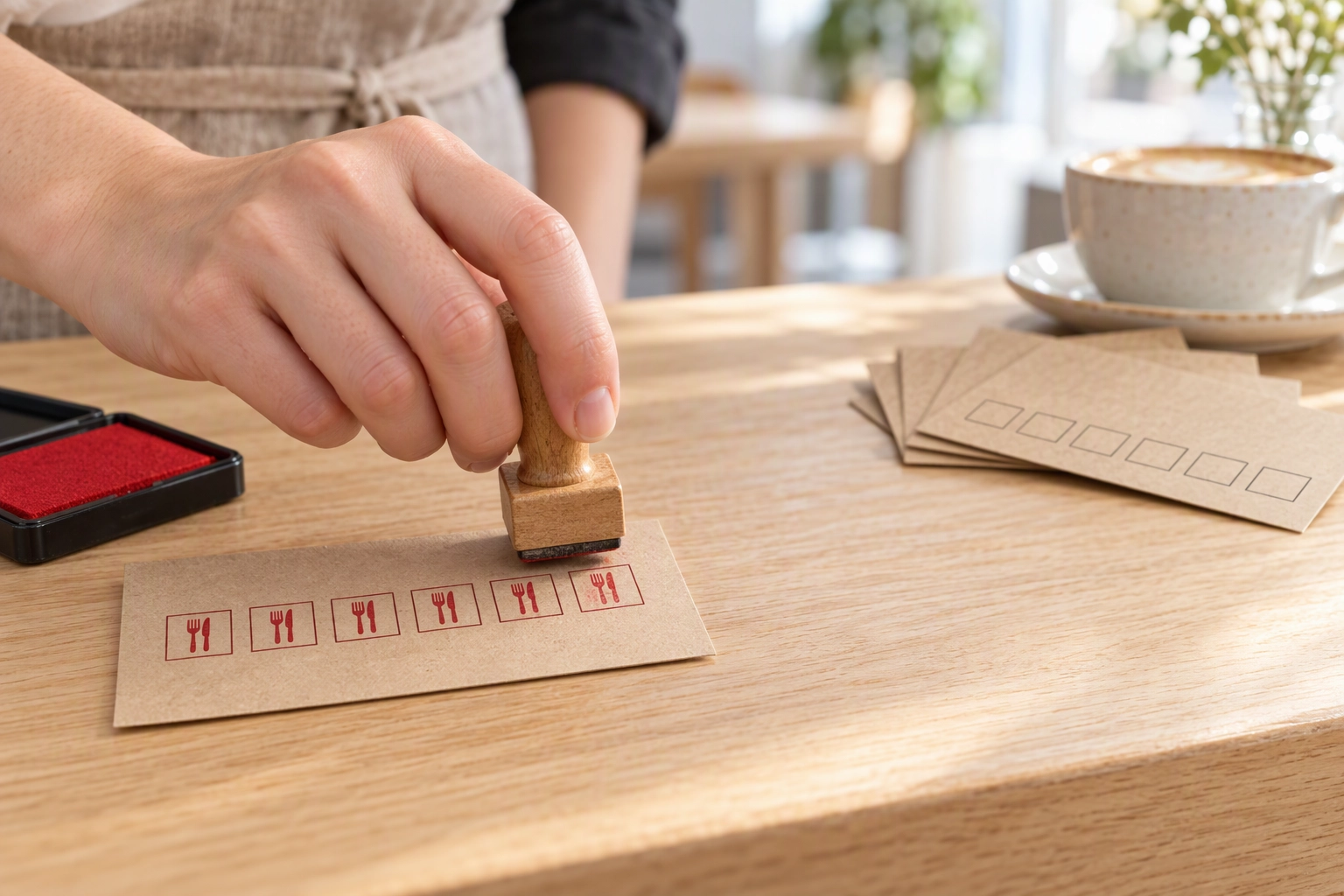 Server stamping a kraft loyalty punch card with a fork-and-knife rubber stamp, five of six boxes inked, a loyalty reward promotion that spreads one free entree across paid visits
Events and limited-time offers
Events and limited-time offers are the restaurant promotions that give nothing away per guest; the cost is fixed, whether a host, a keg or a creative. That makes them safe on paper and risky in practice: trivia must find 8 new covers each night just to pay the host. Promote them two weeks ahead.
18. Trivia night
$0 per redemption, $150 for the host: 8 new covers a night. Teams who stay two hours keep drinking, so real spend usually beats the model.
19. Share-to-win photo contest
Guests share a photo of their plate and tag you; one wins a $50 gift card monthly. $0 per entry, 3 new covers. Every share is a free local ad, so the dish must look as good on the table as in your own post.
20. Local brewery tap takeover
A local brewery brings three kegs and its regulars on a Thursday: about $100 in joint marketing, 5 new covers. Split the posts so both audiences see it, as breweries and taprooms do from the other side.
21. Limited-time dish at full price
A limited-time special at full price costs nothing per redemption; the $75 creative and boost need 4 new covers. Scarcity sells: "Tuesdays in October only" beats "20% off". Our fall restaurant promotion ideas are the seasonal version.
22. Gift card bonus
Add a $10 bonus, valid January to March, to every $50 gift card purchase: 5 new covers per 10, and every redemption lands in the slowest months. It's the December promotion that fills January; see increasing holiday sales.
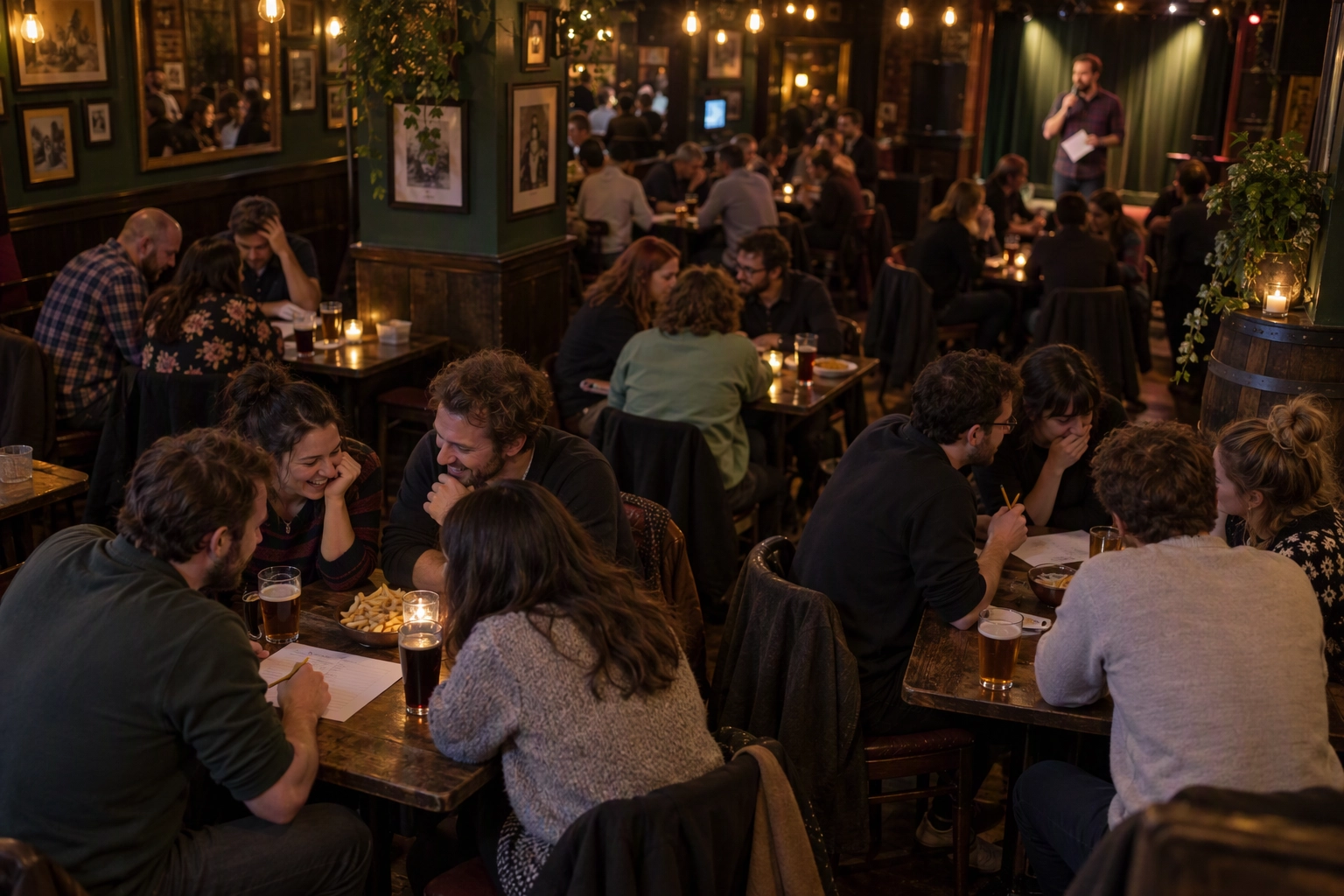 Teams huddled over answer sheets at a Wednesday trivia night in a pub, an event promotion with no discount whose only cost is the host
Takeout, delivery and app deals
Off-premises restaurant promotions should push customers toward the channel that keeps the most margin. Nearly 75% of restaurant traffic now happens off-premises, according to the NRA's 2025 report, and over 80% of consumers use deals like BOGO offers, combo meals or real-time specials. Discounts on direct orders often cost less than marketplace commissions.
23. Family meal bundle
Feeds four for $49 instead of $62: $13 per redemption, 7 new covers per 10, or under two new bundles in ten. Sunday to Tuesday takeout is the sweet spot. Photograph the whole meal laid out.
24. 10% off the first direct online order
$3 on a $30 ticket, 2 new covers per 10. It pays for itself when it moves a guest off a delivery marketplace: DoorDash and Uber Eats plans charge roughly 15% to 30% commission, or $4.50 to $9 on that ticket. Put the code on a bag stuffer.
25. Restaurant-funded delivery deals
Spend $25, save $5 on Uber Eats or DoorDash on your slowest delivery night: 3 new covers per 10, plus commission. Win first orders there, then move repeat guests direct. See how to get more Uber Eats sales and the DoorDash photo requirements.
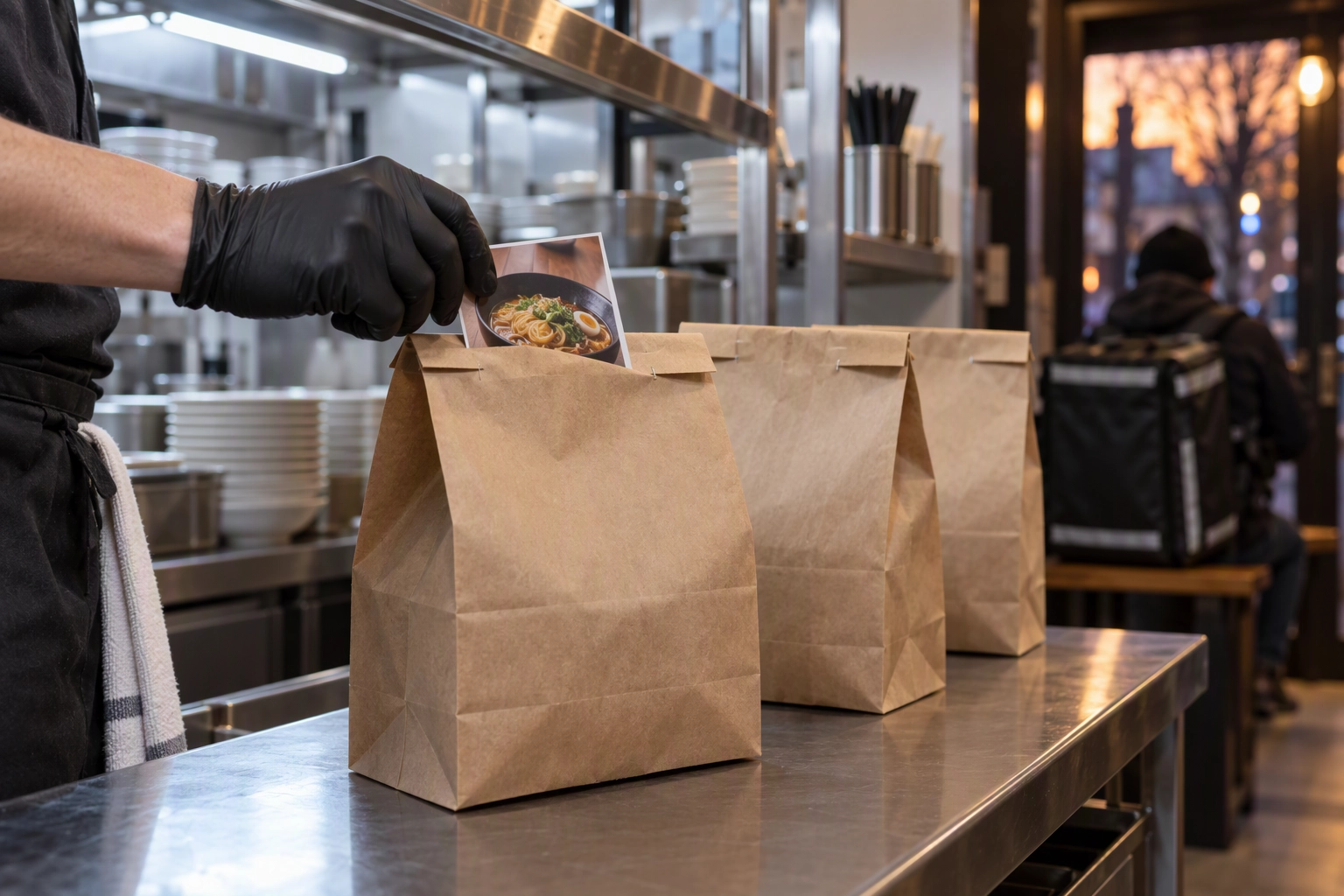 Cook slipping a bag-stuffer card with a dish photo into a sealed takeout bag on a pickup shelf, a direct-order promotion that moves guests off delivery apps
Every promotion needs a photo of the real dish
Restaurant promotions live or die on one image: the post, the flyer, the email header, the delivery banner. A photo of the actual menu item outsells stock or text, and it must exist before the promotion starts, ideally a full week before.
That's where FoodShot fits. Take a phone photo at the pass, turn it into a studio-quality 2K shot in about 2 minutes, then drop it into a Poster Mode template built for marketing. Prompt edits (add sauce, swap the plate, change the lighting) turn one photo into the BOGO post, the table tent and the email header in minutes. Paid plans include a commercial licence, from Starter at $15 a month for about 25 images; the free plan is watermarked and personal-use only. See pricing and AI food photography for restaurants.
Ideas for where it runs next: food flyer ideas, menu board ideas and digital menu boards in-store; Facebook ads for restaurants and Instagram ads for restaurants for paid reach; the best restaurant marketing campaigns for how bigger brands ran the same discounts.
Frequently Asked Questions
How often should you run restaurant promotions?
One standing weekly deal on your slowest night plus one limited-time offer a month suits most restaurants. More trains customers to wait. Review all deals against your six-week baseline every 30 days and cut anything below its break-even covers.
What is the difference between a promotion and a discount?
A discount lowers the price; a promotion changes behaviour, like visiting on a Tuesday or returning within 30 days. Trivia, a full-price special and a birthday dessert are promotions with no discount, and among the cheapest rows on the worksheet.
Which restaurant promotions work best on slow weeknights?
The deals that give away plate cost or nothing: win-back emails, birthday desserts, Monday-to-Wednesday bounce-back cards, trivia and a full-price special. Save price cuts on core dishes for hours with a baseline near zero.
How do I measure whether a promotion worked?
Compare covers on promotion nights with the same weekday's six-week average, and count redemptions with a dedicated POS button. If new covers × contribution per cover beats redemptions × cost per redemption plus fixed cost, keep it.
Do deals train customers to wait for a discount?
They can, when deals sit on your core menu every night. Tie each purchase incentive to a day-part, a deadline or a behaviour, and rotate specials so there's always a reason to come in this week. For a seasonal rotation, start with fall promotions.